White Noise (2022)
Director: Noah Baumbach
Screenwriter: Noah Baumbach
Starring: Adam Driver, Greta Gerwig, Don Cheadle, Raffey Cassidy, Sam Nivola, May Nivola, Henry Moore, Dean Moore, Jodie Turner-Smith, Andre 3000
Noah Baumbach’s film adaptation of Don DeLillo’s novel White Noise lands as an uneven but frequently rewarding portrait of modern anxieties. Released on Netflix, the movie blends dark comedy and domestic drama, tracking a family’s attempts to preserve normalcy in the face of an unexpected environmental catastrophe. It’s not a perfect translation of DeLillo’s dense, stylized prose, yet the film succeeds more often than it fails by leaning into sharp performances, precise visual design, and a pointed critique of consumer culture and media spectacle.
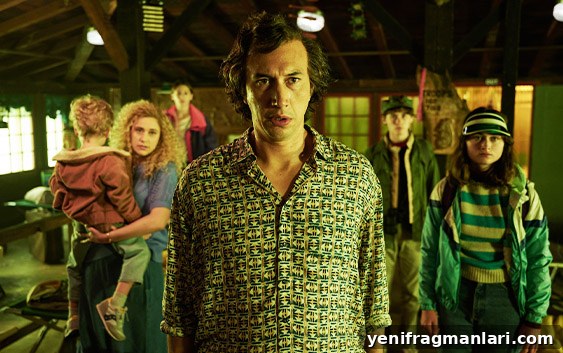
Adam Driver anchors the film as Jack Gladney, a charismatic professor who teaches Hitler studies despite not being fluent in German. Driver finds a nimble comic groove, portraying Jack as both absurd and touchingly human—an academic more concerned with appearances and reputation than with true authority. Greta Gerwig excels as Babette, Jack’s perpetually optimistic wife who gradually confronts the fragility beneath her cheerful exterior. Their dynamic moves from lighthearted domestic comedy to fraught emotional terrain as the family confronts fear, illness, and the limits of control.
Baumbach’s screenplay preserves much of the novel’s plot structure: a suburban family, an industrial accident that releases a mysterious toxic plume, and the social fallout that follows. Where the film diverges is in tone. Scenes swing between broad satire and intimate family moments, sometimes feeling closer to the novel’s rhetorical flourishes than to naturalistic dialogue. That unevenness will divide viewers—some will appreciate the faithfulness to DeLillo’s voice, while others may find the theatrical rhythms awkward on screen.
Supporting performances enrich the film’s peculiar world. Don Cheadle plays Murray, a colleague whose offhand remarks and eccentric attitudes add combustible energy to faculty interactions. The ensemble of academics and townspeople create a believable landscape of professional complacency, personal delusion, and petty intellectualism that Baumbach mines for both humor and unease. Children in the film, especially teenage Heinrich, embody a media-saturated generation that processes catastrophe through screens and headlines, highlighting the film’s critique of how information and fear are mediated.

Visually, White Noise is striking. Baumbach collaborates with production and costume designers to create relentlessly composed frames: supermarket aisles rendered in immaculate, almost clinical color palettes, and set pieces that juxtapose domestic banality with outsize cinematic spectacle. The film’s disaster imagery—explosions, ash-filled skies, and the infamous “black cloud”—recalls big-studio visual language while the rest of the film remains tightly controlled and artful. The end credits sequence, in particular, offers an image-driven coda that underscores the director’s strengths in crafting mood and texture.
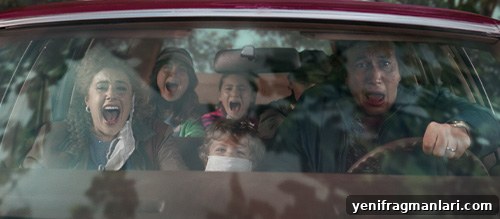
At its heart, the film probes consumerism, the influence of technology, and the human terror of mortality. Characters repeatedly return to shopping, branding, and media consumption as rituals that temporarily soothe existential dread. The narrative shows how easily people substitute mediated narratives for direct experience—obsessing over news reports and expert commentary instead of trusting their own senses. This is a central tension: the family watches a menacing cloud approach, yet some members remain transfixed by the mediated description of the event. Baumbach uses this contrast to ask how modern life buffers or intensifies fear.
The adaptation is not without flaws. The pacing meanders at times; tonal shifts can feel abrupt; and viewers who revere DeLillo’s novel may quibble with scenes that trade the book’s tight satire for broader cinematic beats. Still, the film functions as a sympathetic companion piece to the novel rather than a replacement. It offers a contemporary lens on themes that have only grown more relevant—public health scares, the spread of misinformation, and the rituals we use to fend off anxiety.
Ultimately, White Noise is a film of contrasts: funny and unsettling, intimate and theatrical, critical and strangely affectionate toward the people it depicts. It won’t satisfy every taste, but for viewers open to its idiosyncratic rhythm, it provides a thought-provoking, visually assured reflection on how we live with the looming prospect of loss.
Score: 18/24
Written by Emi Grant
Support Emi Grant on social platforms and view her portfolio via her public profiles.