

Jonathan Demme’s body of work exemplifies vibrant, sincerely textured filmmaking. He moved confidently across genres, taking creative risks where many directors would hesitate. Throughout his career—spanning documentaries, television, and feature films—Demme demonstrated a steady devotion to craft. No project felt perfunctory; each carried emotional depth and a personable touch that made his films feel alive and deliberate.
Demme’s career gained early momentum when legendary producer Roger Corman recognized his potential and connected him to projects that let his voice emerge. His co-writing role on the motorcycle picture Angels Hard as They Come (1971) helped ignite his trajectory, revealing an exuberant writing style and a willingness to blend raunch, wit, and kinetic storytelling. Even in his earliest, more exploitative work, Demme’s distinct sensibility—equal parts energy and empathy—began to take shape.
As his filmography expanded, Demme explored more restrained tones and serious themes, yet his work continually retained an underlying inventiveness. Whether dealing with comedy, suspense, or intimate family drama, he layered thoughtful composition, humane character focus, and occasional tenderness into otherwise stern subject matter. The result is a collection of films that reward both casual viewers and cinephiles searching for layered directorial intent.
Below are three essential Jonathan Demme films to begin with, chosen for how they showcase his range in tone, technique, and emotional reach. These selections highlight why Demme remains influential in contemporary cinema and offer a clear starting point for anyone discovering his work.
1. Melvin and Howard (1980)
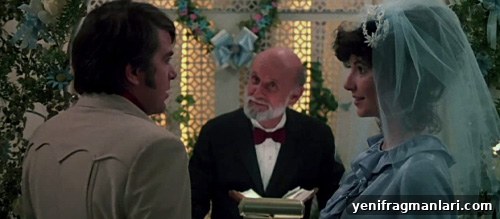
Melvin and Howard is an unconventional rags-to-riches tale that allows Demme’s darkly comic instincts to flourish. The film follows Melvin Dummar (Paul Le Mat), a dishevelled and optimistic Utah man who becomes entangled in a surreal chapter of the American dream. Its road-movie elements and quiet, character-driven pacing provide a warm frame for Demme’s sly humour and humanism.
This film draws on the director’s early instincts—those offbeat, kinetic qualities visible in his 1970s work—and refines them into a more empathetic palette. Melvin and Howard balances laughter and poignancy while subtly engaging with broader cultural anxieties about money, identity, and the promises of consumer-era America. It’s an inviting introduction to Demme’s ability to find dignity and humour in unlikely places.
2. The Silence of the Lambs (1991)
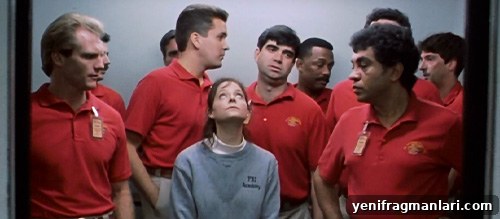
The Silence of the Lambs represents a peak in Demme’s career and a defining moment in modern thriller cinema. Adapted from Thomas Harris’s novel, the film marked a return to prominence for Demme and earned him wide critical acclaim. At its core, the movie centers on FBI trainee Clarice Starling (Jodie Foster) as she confronts both an elusive serial killer and the institutional biases of her profession.
Demme crafts tension through intimate framing, meticulous production design, and an eye for symbolic detail. The film’s opening sequences, for example, visually suggest the pressures Starling faces in a male-dominated environment while maintaining a taut, character-driven focus. The performances—especially those of Foster and Anthony Hopkins—are unforgettable; Demme’s direction gives both actors space to create scenes of intense psychological impact. The Silence of the Lambs remains widely regarded for its layered themes, chilling atmosphere, and the director’s skill at blending suspense with incisive social observation.
3. Rachel Getting Married (2008)
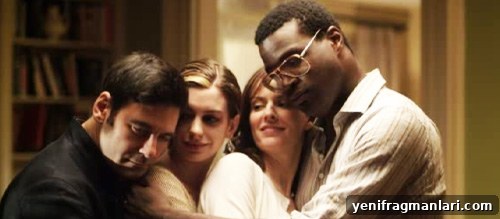
Rachel Getting Married showcases Demme’s sensitivity to real-life emotional terrain and his ability to blur the line between fiction and documentary aesthetics. The film follows Kym Buchman (Anne Hathaway), who returns home for her sister Rachel’s wedding while struggling with addiction and the complicated bonds of family. Demme approaches this intimate story with a raw, observant camera that privileges small moments, messy arguments, and the awkward tenderness that often accompanies family gatherings.
The film’s handheld cinematography and close, intrusive framing create a sense of immediacy that draws viewers into the characters’ private world. Demme’s visual choices—bold close-ups, dynamic camera movement, and unobtrusive sound design—help transform a single family event into a strikingly honest emotional landscape. Hathaway’s performance was widely praised, and the film remains an effective study of forgiveness, recovery, and the imperfect ways families try to heal.
Whether you’re drawn to the witty warmth of Melvin and Howard, the chilling intensity of The Silence of the Lambs, or the intimate realism of Rachel Getting Married, Jonathan Demme’s films offer richly varied entry points. His work rewards repeated viewings: each film reveals additional layers of composition, performance, and thoughtful social commentary. For viewers exploring Demme’s career, these three titles provide a well-rounded introduction to a director who balanced heart, craft, and bold storytelling throughout his life.