
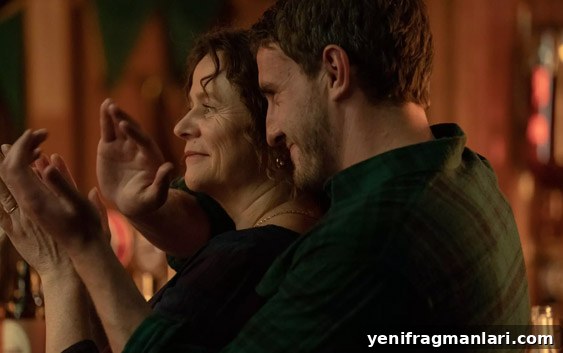

God’s Creatures (2022)
Directors: Saela Davis, Anna Rose Holmer
Screenwriter: Shane Crowley
Starring: Emily Watson, Paul Mescal, Aisling Franciosi
In recent years, Irish cinema has produced an impressive run of films and television that have captured international attention. From acclaimed performances and awards recognition to distinctive storytelling and powerful visuals, the Republic of Ireland has become a fertile ground for compelling screen work. Within that context, Saela Davis and Anna Rose Holmer’s God’s Creatures arrives as a largely assured drama that blends atmospheric visuals, strong performances, and a slowly building moral tension.
The film centers on Aileen (Emily Watson), a supervisor at an oyster processing plant in a remote Irish fishing village. Her life is disrupted when her son Brian (Paul Mescal) returns unexpectedly. Charming and enigmatic, Brian’s presence raises questions and stirs old wounds. When Aileen’s fierce maternal protectiveness leads her to lie on his behalf, the lie threatens to unravel the fragile social fabric of the community.
God’s Creatures opens with disorienting imagery: frantic cuts of rushing water, bubbles, and the guttural sound of someone struggling beneath the surface. This immediate plunge into danger establishes the film’s themes—an atmosphere in which old superstitions and entrenched beliefs can have fatal consequences. Early on, the story references the ambiguous drowning of a local fisherman and hints at a local superstition that fishermen knowing how to swim is unlucky. Such detail sets a foreboding tone, suggesting that the village’s outdated ideas threaten to consume its inhabitants both literally and metaphorically.
The windswept coastal setting is an ideal backdrop for the story. The film captures a place that feels cut off from modern distractions: hardly anyone is glued to smartphones, social media is absent, and the pace of life is dictated by the sea and seasonal work. The weathered boats, salt-stained stone, and sparse streets work as visual storytelling elements, each surface bearing the hidden histories of the people who live there. That remote isolation enhances the film’s claustrophobic tension and underscores the secrecy that binds the community together.
Cinematographer Chayse Irvin composes evocative images that emphasize the village’s social divides. Men and women occupy separate spheres—men working on boats and women laboring at the processing plant; men drinking together while women gather elsewhere—reflecting entrenched gender dynamics and generational trauma. Irvin’s framing often isolates characters within the landscape, reinforcing emotional distance and the oppressive weight of tradition.
Directors Davis and Holmer favor a deliberate, slow-building approach. Scenes are allowed to breathe, permitting tension to accumulate gradually rather than relying on overt dramatics. At times this patience can feel prolonged, and certain narrative threads might benefit from tighter focus. Still, the filmmakers succeed in creating sustained moments of suspense and moral discomfort, making the audience feel the material consequences of small decisions and long-held beliefs.
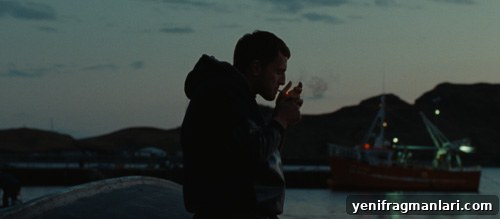
The cast is a major strength. Paul Mescal brings a dangerous charm to Brian, though the script offers him limited room to expand into darker complexity. Emily Watson anchors the film with a performance of quiet ferocity. She imbues Aileen with emotional depth, delivering a portrayal that balances devotion and denial as she navigates the consequences of her choices. Watson’s presence gives the film its moral center and ensures the story maintains human immediacy even as it explores broader social themes.
Aisling Franciosi delivers the film’s most striking performance as Sarah, a character who gradually emerges as the emotional core. Franciosi’s measured, patient acting conveys great inner life with minimal gestures. Her later scenes resonate with powerful restraint; she suggests emotional turmoil without overt melodrama, making her portrayal one of the film’s standout achievements.
Where the film falters is in its resolution. As the narrative unfolds, Brian’s role proves less central than initial setup suggests, and the directors’ choices about pacing and emphasis occasionally leave the final act feeling underdeveloped. The climax aims for a contemplative, subdued finish, but it lacks the visceral impact that earlier tension promised. Rather than landing a decisive emotional blow or offering a provocative moral reckoning, the ending arrives as a quieter coda—elegant in tone but somewhat unsatisfying in consequence.
Despite that shortcoming, God’s Creatures is a commendable debut feature for Davis and Holmer as a directing team. The film is beautifully shot, rich in subtext, and carried by authentically lived performances. It explores themes of maternal loyalty, communal secrecy, and the corrosive effect of outdated beliefs with sensitivity and visual flair. While it does not entirely fulfill the promise of its early momentum, it demonstrates a distinctive voice and hints at significant potential for the filmmakers’ future work.
Score: 16/24