
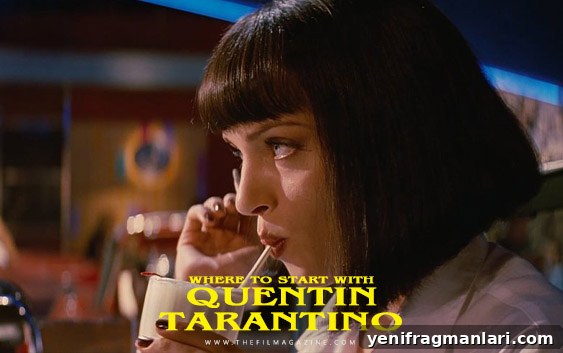
Quentin Tarantino is one of the most distinctive filmmakers of his generation, known for blending prodigious talent, encyclopedic film knowledge, controversy, and a fiercely individual style. Frequently studied and debated, he occupies a place among the most influential directors in modern cinema alongside names like Alfred Hitchcock, Steven Spielberg, and Martin Scorsese. Tarantino’s passion for movies permeates everything he does—from his pastiche-driven filmography to his film criticism—and his influences span global cinema and decades of film history.
Born in Knoxville, Tennessee, in 1963 and raised largely in Torrance, California, Tarantino became a voracious film viewer from a young age. He has often cited a wide range of filmmakers as inspirations, including Jean-Luc Godard, Sergio Leone, John Woo, and Brian De Palma. When asked whether he attended film school, he famously replied, “No, I went to films.” That upbringing is evident in the dense web of cinematic and pop-culture references that populate his work. Tarantino’s films pay homage to many genres—crime thrillers, westerns, Blaxploitation, martial arts, and revenge dramas—while layering in dark humor, extreme violence, and deliberately non-linear storytelling.
Across his career Tarantino has amassed a devoted following and numerous accolades, including multiple Academy Awards and the Palme d’Or at Cannes. Yet his reputation is not without controversy. He has had public disputes with fellow artists and faced criticism over his use of racial slurs and portrayal of Black history and culture, though many performers and collaborators have defended him. More recently he expressed regret about not doing more in response to allegations against a prominent producer he worked with. Despite these debates, Tarantino has directed several films widely regarded as major achievements of contemporary cinema and has collaborated with acclaimed actors such as Samuel L. Jackson, Uma Thurman, Kurt Russell, Brad Pitt, and Leonardo DiCaprio.
Tarantino has publicly stated his intention to direct only ten films, making each release a noteworthy event. Though his filmography is relatively compact, each entry demonstrates meticulous craft and a singular creative vision. Below are three essential entry points that showcase the director’s strengths and help newcomers decide where to begin.
1. Pulp Fiction (1994)
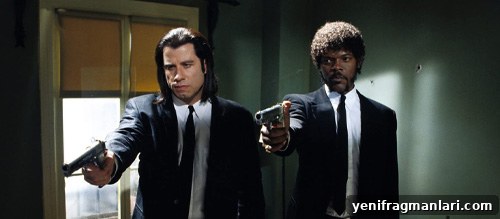
After the acclaim of Reservoir Dogs (1992), Tarantino wrote and directed Pulp Fiction, a boldly structured film inspired by pulp magazines and B-movie genres of the mid-20th century. Its non-linear narrative interweaves several storylines, most notably the hitmen Vincent Vega (John Travolta) and Jules Winnfield (Samuel L. Jackson) working for crime boss Marsellus Wallace, and boxer Butch Coolidge (Bruce Willis), who is bribed to throw a fight. The ensemble also features Uma Thurman, Harvey Keitel, Tim Roth, and Christopher Walken.
Pulp Fiction premiered at the Cannes Film Festival and won the Palme d’Or. Critics praised its originality, self-awareness, and defiantly unconventional approach to mainstream storytelling. The film became instantly iconic: memorable scenes—like Vincent and Mia’s dance at a retro diner—entered the cultural lexicon, and lines and moments from the film have been endlessly quoted and referenced. Critics have also regarded Pulp Fiction as a landmark of postmodern cinema for its use of parody, irony, pastiche, and moral ambiguity.
2. Kill Bill: Volumes 1 & 2 (2003–2004)
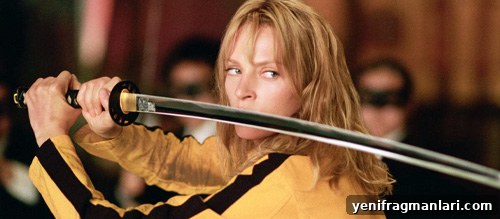
Kill Bill Volumes 1 & 2 operate as a single, sprawling revenge saga that pays tribute to martial arts, samurai cinema, spaghetti westerns, and grindhouse thrills. Originally conceived as one film and later split into two parts, the saga follows the Bride (Uma Thurman), an ex-assassin who awakens from a coma and sets out to kill Bill (David Carradine) and the team who massacred her wedding.
The two volumes traverse the United States and Japan, showcasing Tarantino’s skill in staging kinetic fights, designing striking production aesthetics, and blending disparate genres into a cohesive whole. Notable sequences include an anime-style backstory for one antagonist and the climactic duel set in a multi-level Tokyo restaurant. Tarantino enlisted famed fight choreographer Yuen Woo-Ping to bring authenticity to the martial arts sequences, reflecting his deep respect for East Asian cinema even as he reworks and parodies genre conventions.
3. Once Upon a Time… in Hollywood (2019)
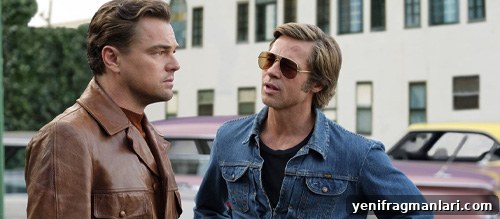
Once Upon a Time… in Hollywood is a nostalgic, sun-drenched meditation on the late 1960s film industry, blending real historical figures with fictional characters to explore fame, friendship, and cultural change. Leonardo DiCaprio plays Rick Dalton, a fading TV star, while Brad Pitt plays his stunt double, Cliff Booth. Their world collides with notable personalities of the era, and the film culminates in a revisionist retelling of the Manson Family crimes that rewrites a tragic moment in Hollywood history.
Tarantino described this film as one of his most personal works. It is dense with period detail, film references, and affectionate recreations of the era’s stars and movie culture. The film’s tone shifts between wistful homage and darkly comic violence, and its bold alternate-history ending sparked debate among critics and viewers. Despite mixed responses to its subject matter, the film received numerous awards recognition and is widely seen as a mature distillation of Tarantino’s obsessions with film history and storytelling.
Tarantino’s work is not for everyone. His extremes—graphic violence, abrasive dialogue, and provocative subject matter—divide audiences. Some find his approach invigorating and visionary; others find it excessive or offensive. Yet his influence on contemporary cinema is undeniable. He has revitalized genres, revived careers, and pushed film language in unexpected directions. For viewers eager to explore a director who blends reverence for cinematic tradition with fearless experimentation, these three films offer a clear starting point: Pulp Fiction for its postmodern inventiveness, Kill Bill for operatic genre fusion, and Once Upon a Time… in Hollywood for a reflective, revisionist love letter to the movies.