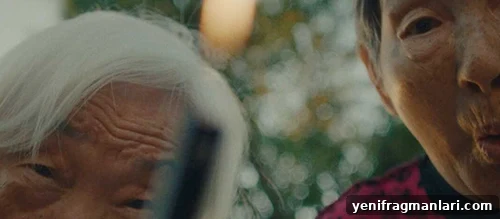
Nai Nai & Wài Pó (2023)
Director: Sean Wang
Starring: Yi Yan Fuei, Zhang Li Hua
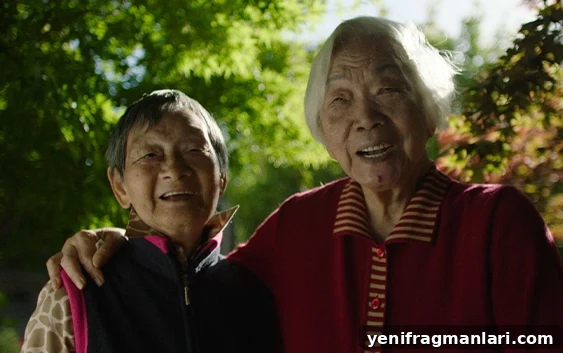
Nai Nai, 86, and Wài Pó, 96, are two Taiwanese immigrants living in the United States. They share a home, a bed, and the attentive care of their grandson, Sean Wang, who has turned their everyday lives into a tender, 17-minute documentary. Nai Nai & Wài Pó is a compact portrait of family, memory and warmth, and has emerged this awards season as one of the most endearing short films to watch.
In a brief runtime the film manages to make these two women feel instantly familiar and beloved. Their gestures, routines and small jokes reveal deep wells of character: their way of preparing meals, arranging shoes on the doorstep, tending to the garden and slipping into playful antics. The documentary finds humor and humanity in ordinary moments — from a candid discussion about daily habits to the frank, affectionate way they speak about bodily quirks and one another. The result is intimate and disarmingly honest, producing a heartfelt portrait that lingers long after the credits roll.
Visually, the film adopts a boxed 4:3 aspect ratio, which lends a contained, almost portrait-like quality to each frame. Like family snapshots brought to life, the film’s color grading is gentle and natural, allowing sunlight and indoor lamplight to shape texture and mood. Close-ups and over-the-shoulder compositions create a sense of presence: you feel as if you are sitting across from Nai Nai and Wài Pó, listening as they speak. At the same time, wider shots capture the quiet choreography of domestic life — peeling vegetables by the kitchen window, light falling across folded clothes, shoes lined on the front step — turning ritual into cinema.
There is no heavy-handed thesis or investigative agenda here. The film’s aim is not to argue or analyze but to celebrate and preserve. Sean Wang’s approach is unobtrusive; he remains largely offscreen, a patient observer who lets his subjects lead. Conversations occur naturally, without the formal cadence of interviews. When the women reminisce or touch on their fears and regrets, they do so with the selective openness common to grandparents speaking with a beloved grandchild — protective, restrained, and loving. That restraint reinforces the film’s intimacy: viewers are invited into a family space rather than presented with a staged performance.
Despite its quiet tone, the film contains moments of spontaneous playfulness. Nai Nai and Wài Pó willingly perform for the camera when asked, adopting silly costumes, acting out brief musical montages, arm-wrestling, or reading comedic lines. These moments reveal a performative streak and a joy in being seen, and they underline how collaborative the film feels; the subjects are active participants in the memory-making process.
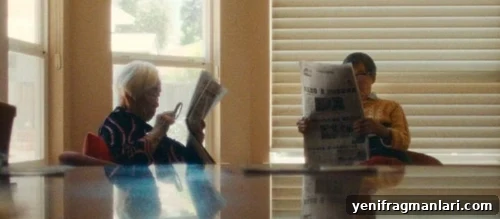
The film’s charm is not constructed from dramatic reveal or narrative twist but from accumulated, human details. Yi Yan Fuei and Zhang Li Hua may be known by those formal names in official records, but on screen they are simply Nai Nai and Wài Pó — grandmother and maternal grandmother — figures of familial affection who invite viewers into an ordinary, beautiful life. Their warmth is the film’s primary asset, and the camera’s patience allows that warmth to translate into genuine feeling.
Technically, the documentary is modest and polished. Its editing respects rhythm rather than spectacle, letting scenes breathe and allowing small gestures to take on meaning through repetition and framing. Sound design is unobtrusive, favoring ambient room tones, the creak of a chair, the rustle of clothing — sounds that root the viewer in the household’s lived reality. These choices support the film’s gentle emotional logic: meaning arises from presence, from witnessing how love is enacted in small, consistent ways.
At a time when documentary short films often tackle urgent social issues or structural critiques, Nai Nai & Wài Pó offers a quieter counterpoint. It reminds us that stories of domestic care, aging and intergenerational affection are important and resonant in their own right. The film’s intimacy invites empathy; it suggests that sometimes the most profound cinematic experiences are those that simply pay attention.
This short will make many viewers smile and perhaps shed a quiet tear. It’s the kind of film that lingers not because it solves any problem but because it honors the ordinary tenderness of family life. In just 17 minutes, Sean Wang has crafted a portrait that feels both personal and universal — a small, luminous testament to two women whose presence and personality light up the screen.
Score: 21/24
Nai Nai & Wài Pó is currently available for viewing on select streaming platforms. For viewers seeking a tender, well-crafted short documentary, this film offers a warm, human-centered experience that celebrates family, memory and the small acts that make life meaningful.