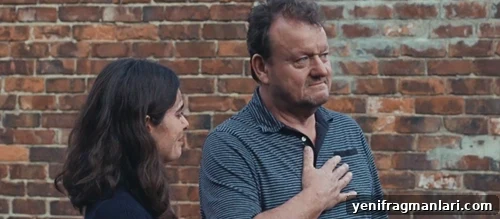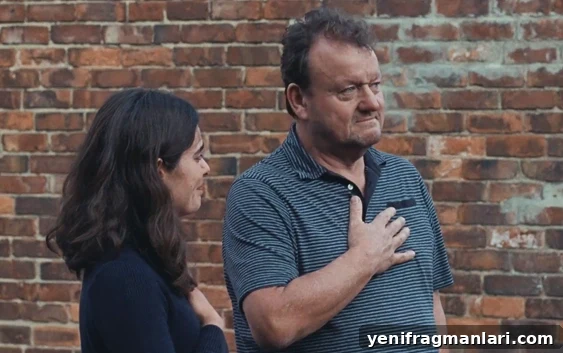
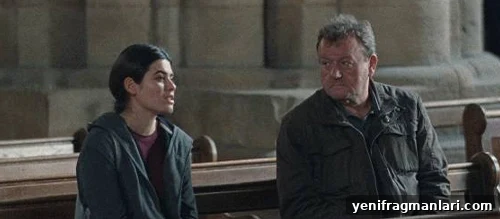
The Old Oak (2023)
Director: Ken Loach
Screenwriter: Paul Laverty
Starring: Dave Turner, Ebla Mari, Claire Rodgerson, Trevor Fox, Chris McGlade, Col Tait, Jordan Louis, Chrissie Robinson, Chris Gotts, Jen Patterson, Arthur Oxley, Joe Armstrong, Andy Dawson, Maxie Peters
“There’s no shame in love.” It is a simple line that the film asks us to take seriously, and it is one of many quiet moral truths that thread through Ken Loach’s latest work.
At 87, Ken Loach returned in 2023 with what many believe is his final film. A stalwart of British social realism and a two-time Palme d’Or winner, Loach teams again with long-time collaborator Paul Laverty to tell a story set in a small, overlooked town in the North East of England. Titled after the local pub around which much of the film’s action takes place, The Old Oak explores community, displacement and empathy through the arrival of Syrian refugees into a place marked by economic decline and fading industry.
Shot on Kodak film, the picture has a tactile, cinematic quality — rich color, grain and the occasional imperfection that remind you you’re watching something crafted with deliberate care. That aesthetic choice complements a narrative that is both clear-eyed and humane: the movie celebrates the dignity of ordinary people and the small acts of kindness that persist even when life is tough. Loach’s direction elicits naturalistic performances from a largely non-professional cast, producing moments of real emotional weight that feel lived-in rather than staged.
The film’s strengths are many. Its storytelling is unadorned but confident, giving room to characters who are often absent from mainstream screens: aging locals facing shrinking towns and newly arrived refugees trying to rebuild lives. The contrast and connections between these groups are handled with nuance, and Laverty’s screenplay draws parallels between contemporary arrivals and older struggles in the community — notably the decline following the mining closures — without resorting to melodrama. There is an honesty in how the film depicts hardship, and a refusal to simplify people into victims or villains.
Beyond its artistic merits, The Old Oak functions as a political statement. The film highlights the material realities of neglect: houses boarded up on streets once thriving, families making painful choices between heating and food, and a growing poverty that affects children and adults alike. Loach and Laverty place those realities beside a media and political culture that often scapegoats newcomers rather than addressing systemic failure. The movie is unequivocal in its sympathies — it calls for mutual understanding and offers an argument against the divisive rhetoric that too often dominates public discourse.
There is also a bittersweet optimism at the film’s center. While some moments might feel hopeful to the point of idealism for viewers immersed in the circumstances depicted, that hope is what the story insists on, and it is presented as hard-won rather than naïve. The film celebrates ordinary resilience: people who keep tending their gardens, who offer a cup of tea, who stand up for one another despite fatigue and disappointment. In that way, the work is classic Loach — political without being didactic, compassionate without sentimentality.
It’s also a useful reminder of what a national cinema can do when it turns to voices from outside the capital. The British film landscape has changed significantly in recent decades, with fewer resources devoted to regional stories and an industry increasingly shaped by large international productions and tax considerations. That context makes a film like The Old Oak all the more important: it amplifies lived experience and gives representation to communities that seldom see themselves reflected on screen.
The performances are quietly powerful, the direction assured, and the film’s imagery lingers. For viewers who value socially engaged cinema, and for anyone interested in a humane portrait of how communities adapt to change, The Old Oak is essential viewing. It both mourns what has been lost and insists on the possibility of connection and mutual aid.
Ken Loach has always been a filmmaker who stands with people on the margins. With this film he reaffirms that stance, crafting another clear, compassionate work that listens carefully to its characters and asks audiences to do the same. It’s a fitting continuation of a career devoted to telling stories that matter.
Score: 23/24