
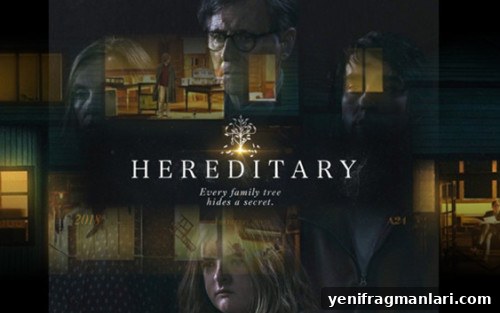
Hereditary (2018)
Director: Ari Aster
Screenwriter: Ari Aster
Starring: Toni Collette, Alex Wolff, Milly Shapiro, Gabriel Byrne, Ann Dowd
I consider myself a big scaredy-cat who enjoys being frightened in a controlled way, so I went to see Hereditary with my sisters. Despite not watching much TV, the trailer had found me through social media, and the brief glimpses—especially Toni Collette and Gabriel Byrne—had me intrigued. What I expected from that trailer, however, was abandoned around twenty minutes in, and the film surprised me in the best way.
Hereditary is not a conventional jump-scare horror. If you want a gore-heavy fright-fest, this might not satisfy you. Instead, Ari Aster has crafted a slow-burning psychological horror that relies on atmosphere, unsettling foreshadowing, and a growing sense of dread rather than constant shocks. The film invites close attention; much of its impact comes from small details and lines that gain significance only in hindsight.
The story opens with the death of Ellen, the secretive matriarch of the family. At the funeral we learn how distant she had become from her daughter Annie, and how detached the rest of the family seems. The one person visibly affected is Charlie, Annie’s daughter, and early scenes emphasize the oddly close bond between grandmother and granddaughter—an element the trailer highlighted in a misleading way. Rather than turning into a straightforward haunting tale centered on Charlie, the film shifts into an exploration of grief, trauma, and the fragility of the mind, gradually revealing how deeply Ellen’s life and secrets ripple through her family.
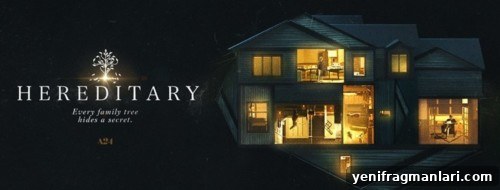
Aster uses dream sequences and hallucinations to unnerve the viewer, and the cinematography supports that ambiguity. The very first shot appears to be a close-up of a dollhouse, only to be revealed as a full-sized room. Miniature models are central to the film’s visual language: Annie is a professional artist who creates eerie dioramas, and these tiny recreations echo and foreshadow real events in the family’s life. They serve as clever narrative devices—revealing past moments without resorting to extended flashbacks and helping maintain the film’s pacing while deepening the sense of unease.
These models are unnerving in themselves, but their placement and the way they mirror key memories make them a storytelling shorthand that blends image and theme effectively. By sprinkling visual clues throughout the house, Aster builds a layered narrative that asks the audience to piece things together. The occasional off-kilter camera angles and the recurring motifs increasingly call everyone’s sanity into question, most of all Annie’s.
Toni Collette delivers a commanding performance as Annie. She avoids the cliched “hysterical mother” shorthand often seen in horror films and instead plays a complex, emotionally guarded woman. Annie loves her family yet struggles to express warmth in conventional ways; the film positions her husband Steve more often as the comforting parent, which frees Collette to portray a character who is simultaneously compassionate, sharp-edged, and unknowingly harmful. Her choices—both as an artist and a mother—reverberate through the household, especially in her relationship with her son, Peter.
The mother-son dynamic is one of the film’s strongest threads. Annie’s estrangement from her own mother appears to have influenced how she connects with Peter, producing awkward conversations and exposed wounds that feel lived-in and authentic. Annie’s art, which draws on intimate and sometimes taboo elements of her life, raises questions about empathy and boundaries: how much of our private pain should be externalized, and with what consequences? These tensions are seeded early and become crucial to the film’s emotional core.
Fans of classic, unsettling films will notice tonal echoes of movies like The Wicker Man in the way Hereditary resolves. The final moments deliver a jarring shift—an ending that blends horror with a strange, almost ritualized cheerfulness. In screening rooms the reaction was audible: a mix of confusion and stunned exclamations. The film takes its time to build dread in a manner similar to many ghost stories—slow, unnerving progression with a devastating final act that reframes what came before.
Beyond scares and shock, Aster digs into themes of mental health and inherited trauma, giving the film a weightier emotional register than a typical genre picture might. Some viewers may be frustrated by the open questions that remain at the end; others will relish the puzzle and the chance to rewatch for the clues that have been carefully placed throughout. If you enjoy intelligent, unsettling cinema that rewards attention and leaves room for interpretation, Hereditary is likely to stay with you long after the credits roll.
17/24