
Ultraviolence (2020)
Director: Ken Fero
Screenwriter: Tariq Mehmood
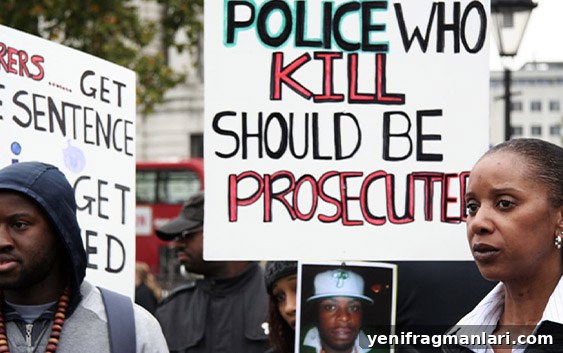
Ultraviolence is a potent and uncompromising documentary that examines deaths in police custody in the UK between 1995 and 2005. Through interviews with family members, archival CCTV footage from inside police stations, and animated reconstructions where footage does not exist, the film constructs a careful, devastating portrait of systemic failures and racialized brutality within the police. This is not a distant historical survey: the film insists these are contemporary injustices that demand attention, accountability, and sustained public awareness.
The documentary centers the voices of those most affected. Family members and loved ones recount the moments they learned of the deaths, describe the aftermath, and detail the long struggle for answers and justice. These first-person testimonies are the emotional core of the film. They provide intimate, wrenching perspectives on grief and resilience, and they make visible the human consequences of institutional shortcomings. Cathy Tyson’s narration deepens the emotional resonance, giving weight and clarity to stories that are often dismissed or ignored.
Ken Fero — who previously directed the documentary Injustice (2001), which explored similar themes — returns with a film that feels urgently relevant in the context of 2020. That year saw renewed global scrutiny of police conduct and racial injustice, most prominently in coverage of protests and public debate about policing. Though the film was initially framed as a critique of policing and the failures of the Crown Prosecution Service to secure accountability, its evidence and testimony make the racial dimensions of custody deaths impossible to overlook. The film therefore operates on two registers: a forensic critique of legal and institutional failure, and a broader reflection on race, power, and public trust.
Visually, Ultraviolence mixes styles to maintain clarity and moral force. Where CCTV exists, the footage is shown unflinchingly, letting the images speak for themselves; where no footage is available, the filmmakers use animation and reenactment to reconstruct events without sensationalism. The result is a sober, sometimes harrowing record that prioritizes truth-telling over spectacle. The low-budget aesthetics, rather than undermining the work, underscore its urgency — the film’s power derives from testimony and evidence rather than gloss or cinematic artifice.
Beyond individual cases, the documentary interrogates institutional responses. It highlights how families repeatedly encountered opaque processes, resisted bureaucratic inertia, and discovered limits in the legal mechanisms designed to deliver justice. The film raises important questions about the role of investigative practices, the responsibilities of prosecutorial bodies, and the cultural assumptions that shape policing and public accountability. These are presented not as abstract critiques but as concrete failings with real human costs.
For viewers, the experience of watching Ultraviolence is likely to be both emotionally wrenching and galvanizing. The testimonies of parents, siblings, partners and friends convey the long-term impact of loss and the determination of those who refuse to let their loved ones be forgotten. The film’s structure gives space for grief, witness, and activism: we see families organizing vigils, pursuing legal avenues, and educating communities about the pattern of deaths in custody.
One of the film’s strengths is its refusal to simplify complex issues. It does not offer easy answers or neat resolutions. Instead, it insists on sustained attention, demanding viewers recognize the structural nature of the problems it documents. In doing so, it contributes meaningfully to ongoing conversations about police accountability, racial justice, and the mechanisms of the criminal justice system in the United Kingdom.
There are pacing moments in the middle act where the narrative could tighten, but these do not diminish the film’s overall impact. The combination of unvarnished footage, candid interviews, and thoughtful narration produces a documentary that lingers long after the credits roll. Ultraviolence is necessary viewing for anyone seeking to understand the human consequences of deaths in custody, the limits of institutional redress, and the urgent need for reform.
12/24