The Truman Show (1998)
Director: Peter Weir
Screenwriter: Andrew Niccol
Starring: Jim Carrey, Ed Harris, Laura Linney, Noah Emmerich, Natascha McElhone, Holland Taylor, Brian Delate, Paul Giamatti, Harry Shearer, Philip Baker Hall
Released in 1998, The Truman Show arrived before the explosion of 24/7 reality programming and before the constant online surveillance culture we now take for granted. Written by Andrew Niccol and directed by Peter Weir, the film presents a sharp, humane satire about entertainment, privacy, and the ethics of spectacle. More than two decades later, its questions feel urgent: when does entertainment become exploitation, and what happens to a life when it is curated for other people’s amusement?
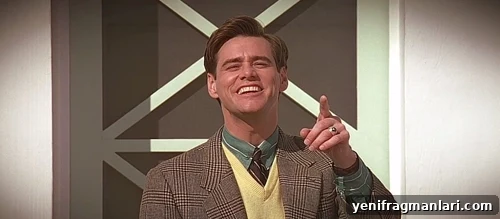
Truman Burbank (Jim Carrey) lives an apparently ordinary life in a flawless suburban town. He follows a predictable routine: dresses for work, greets neighbors, buys the morning paper and a magazine, works at an insurance company, and spends time with his close friend Marlon (Noah Emmerich). His world seems idyllic, but small anomalies begin to unsettle him.
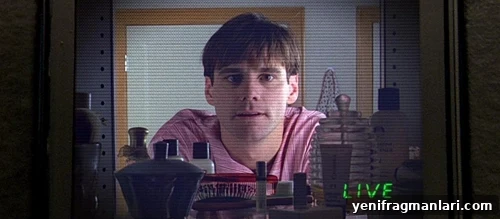
Unknown to Truman, his entire life has been staged since infancy. A television corporation adopted him and constructed an enormous, enclosed set—a manufactured town whose scenery, weather, and population all exist to serve a live global broadcast. Every conversation, every relationship and every private moment of Truman’s life has been captured and broadcast for decades without his consent. The central dramatic question becomes whether Truman will discover the truth, and how the program’s producers will react if he does.
The show’s creator, Christof (Ed Harris), is introduced early on speaking directly about his vision. He defends the authenticity of what he has created: a life without scripts, actors or staged emotions, where the protagonist is genuinely himself. Christof’s calm, persuasive rhetoric is chilling because it reframes theft of autonomy as artistic mission. His belief that he is protecting Truman from the messiness of real life reveals the film’s core moral crisis.
“We’ve become bored with watching actors give us phony emotions. We’re tired of pyrotechnics and special effects. While the world he inhabits is in some respects counterfeit, there’s nothing fake about Truman himself. No scripts, no cue cards; it isn’t always Shakespeare but it’s genuine. It’s a life.”
As tiny disruptions accumulate—a studio light falling from the sky, a radio channel that reveals surveillance chatter, and Truman’s wife Meryl (Laura Linney) speaking product endorsements aloud—the cracks in Truman’s reality widen. The film traces his growing suspicion and the emotional escalation that follows. Jim Carrey balances comedic timing with heartbreaking vulnerability, allowing Truman’s innocence and mounting desperation to ring true. This role is one of Carrey’s most nuanced: he inhabits both the sitcom-affable neighbor and the man discovering his stolen self.
The ensemble cast contributes richly textured portrayals of people performing devotion to a fiction. Some characters, like Marlon, feel genuine warmth toward Truman and reveal moral discomfort about their roles. Others dutifully maintain the illusion, showing how an entire workforce can become morally compromised in service of entertainment. The film prompts difficult questions about consent, exploitation and the labor performed by those who manufacture authenticity for audiences.
One area where the film accepts dramatic license is in the mechanics of Truman’s world. The logistics of sustaining a life-long production with so many participants are not explored in exhaustive detail; instead, the film prioritizes emotional truth and philosophical inquiry over procedural plausibility. This choice keeps the story focused: the point is not how the ruse functions, but what it does to human dignity and freedom.
Aesthetically, the choice to set Truman’s life in an idealized 1950s-style suburb rather than a sprawling metropolis works brilliantly. The bright lawns, neat hedges, and smiling neighbors suggest a comforting Americana at first glance, but their perfection becomes uncanny as Truman’s doubts grow. The production design evokes a manufactured nostalgia that underlines the film’s critique: surface comfort can conceal moral rot.
Culturally, the film’s influence has been wide. It anticipated conversations about surveillance, the ethics of reality TV, and the psychological effects of living under constant observation. Psychiatric literature has even coined the term “Truman Syndrome” to describe the delusion that one’s life is a staged performance—an indication of how deeply the film’s premise resonated with contemporary anxieties.
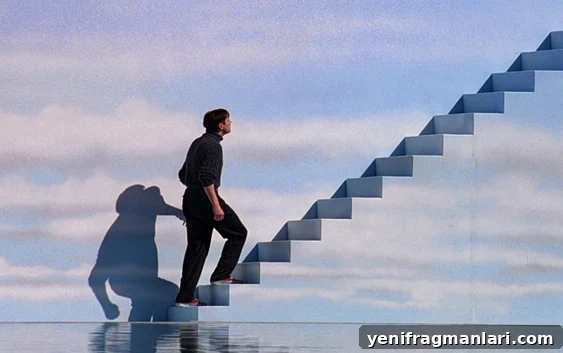
Ultimately, The Truman Show is both a tragic and liberating story about autonomy. It charts Truman’s painful but necessary quest for truth and asks viewers to consider how much of their own lives are shaped by external expectations and mediated experience. The film remains a carefully crafted, emotionally potent work that combines satire and pathos to ask enduring questions about authenticity, control and the price of entertainment.
Score: 22/24