
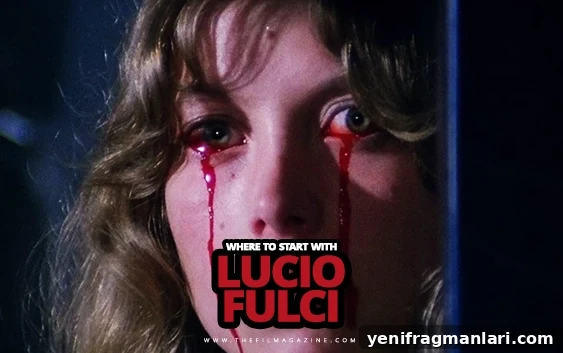
Lucio Fulci’s long and varied career produced some of the most memorable and influential films in international horror. Known for his striking visual style, masterful use of atmosphere, and an inclination for extreme on-screen violence, Fulci merged tension, grotesque imagery, and surreal touches to create films that remain essential viewing for fans of horror and cult cinema.
Fulci’s artistic sensibility grew from his early years as an art critic, writing for publications such as Gazzetta delle Arti. His grounding in art and criticism helped shape his cinematic eye. After film school and work on documentaries, Fulci entered the Italian studio system as an assistant director to established filmmakers like Steno (Stefano Vanzina). He began his career in comedies, but by the late 1960s he shifted toward darker material, making a decisive move into giallo and horror with films such as Una sull’altra (1969) and A Lizard in a Woman’s Skin (1971). The graphic nature of some scenes even sparked controversy; the realistic depiction of animal and human violence in A Lizard in a Woman’s Skin led to scrutiny and legal trouble at the time.
That shift marked the beginning of Fulci’s dedication to the highly stylized, slasher-influenced giallo subgenre and a broader series of supernatural and zombie films. Over the next two decades he delivered a string of works that showcased his themes: moral corruption beneath small-town facades, religious hypocrisy, visceral bodily horror, and a willingness to blend dream logic with harsh realism. Notable titles include Don’t Torture a Duckling (1972), Zombi 2 (1979), The Black Cat (1981), The Beyond (1981), The House by the Cemetery (1981), The New York Ripper (1982), and Murder Rock (1984). These films established Fulci as a defining voice in Italian horror, often trading subtlety for confrontational imagery and unforgettable set pieces.
Below is a concise guide to three essential Fulci films and why they matter, providing a clear starting point for anyone exploring his work.
1. Don’t Torture a Duckling (1972)
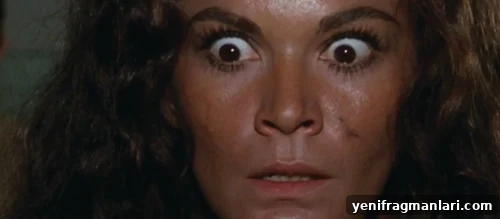
Don’t Torture a Duckling represents Fulci’s first major breakthrough in the giallo form. The film combines the genre’s stylistic hallmarks—striking composition, vivid color, and carefully staged suspense—with a tightly woven whodunit that interrogates small-town morality and religious fervor. Fulci frames the mystery against a provincial setting where superstition and clerical authority mask darker impulses. The eventual reveal—that someone in a position of moral authority is committing violent acts to prevent perceived sin—exposes themes of hypocrisy and the dangers of self-righteous extremism.
Beyond its investigative plot, the film is notable for the way Fulci blends realistic dread with moments of surreal fantasy. Dreamlike sequences and uncanny imagery create an oppressive atmosphere that elevates the story from straightforward crime drama to a haunting moral parable. The result is a giallo that balances narrative complexity with visual invention.
2. Zombi 2 (1979)
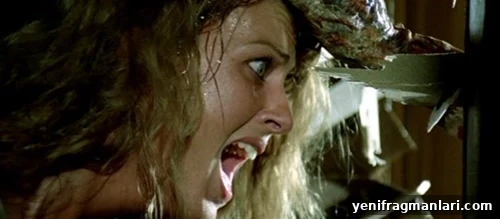
Zombi 2—released as a follow-up to the Italian release of Dawn of the Dead—introduced Fulci’s most famous brand of unabashed, photographic gore and slow-building dread. While its title can mislead viewers into expecting a direct sequel, the film established itself on its own terms as a landmark zombie picture. Fulci’s collaboration with screenwriters and artists produced scenes that linger in the memory: long, deliberately paced sequences that escalate discomfort and climax in shocking, practically staged effects.
The film’s infamous moments—intense close-ups, protracted physical assaults by the undead, and brutally inventive kills—demonstrate Fulci’s commitment to showing the physical consequences of violence in visceral detail. Zombi 2 helped define the aesthetics of Italian gore cinema and influenced subsequent horror filmmakers worldwide.
3. City of the Living Dead (1980)
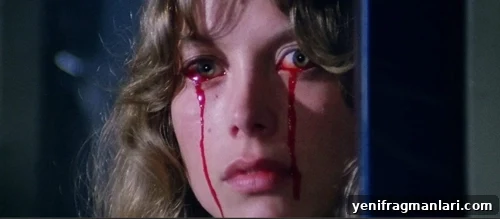
Following the success of Zombi 2, Fulci reunited with writer Dardano Sacchetti to craft City of the Living Dead, a film infused with both zombie horror and elements inspired by cosmic dread. Lovecraftian undertones surface in the narrative’s atmosphere, where reality warps and ordinary boundaries break down. The result is a film less concerned with tidy logic and more focused on sustained unease, surreal imagery, and shock.
Although the film divided critics and audiences on release—some criticized perceived narrative incoherence—many viewers and later critics came to appreciate the movie’s dreamlike logic and relentless intensity. Its bizarre set pieces, uncanny visuals, and willingness to embrace disorientation make the film a defining example of Fulci’s late-period style: uncompromising, often disturbing, and visually audacious.
Lucio Fulci’s films are not for everyone, but for those interested in the evolution of horror cinema, his work remains an indispensable chapter. Whether through social critique wrapped in giallo tropes, the brutal spectacle of his zombie set pieces, or the uncanny surrealism of his supernatural tales, Fulci’s legacy endures—his films continue to provoke, unsettle, and inspire new generations of filmmakers and fans alike.