Who Framed Roger Rabbit (1988)
Director: Robert Zemeckis
Screenwriters: Jeffrey Price, Peter S. Seaman
Starring: Bob Hoskins, Charles Fleischer, Alan Tilvern, Stubby Kaye, Kathleen Turner, Christopher Lloyd, Lou Hirsch
Robert Zemeckis’s Who Framed Roger Rabbit remains one of the most inventive hybrid films ever made, blending live action and hand-drawn animation to tell a playful yet noir-inflected mystery. On the surface it’s a family film with slapstick and cartoon characters, but beneath that sheen lies a sophisticated adult sensibility: murder, deception, and a city divided between humans and the animated “toons.” The result is a movie that operates across multiple levels, entertaining children while offering sharp pleasures for older viewers.
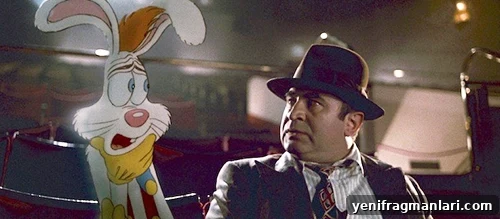
At the center is Eddie Valiant (Bob Hoskins), a world-weary private detective whose life has been narrowed by grief and resentment. Valiant’s job brings him into contact with Roger Rabbit (voice of Charles Fleischer), a frantic and endearingly chaotic cartoon star accused of murder. When Roger’s employer, studio boss R.K. Maroon (Alan Tilvern), hires Eddie to clear the rabbit’s name, the case quickly pulls Eddie into a sprawling conspiracy that exposes the darker side of Toontown and the film industry. What follows is a blend of screwball comedy, film noir motifs, and heartfelt companionship.
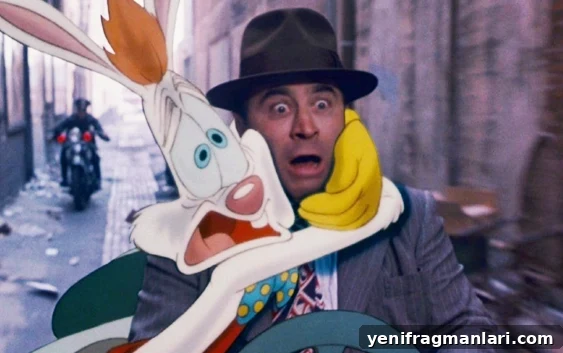
The movie’s largest achievement is how seamlessly it integrates animated characters into a realistic environment. The technique makes the toons feel corporeal and present: they cast shadows, interact with props, and generate genuine emotional responses from their human co-stars. This convincing interplay heightens both the humor and the stakes. Roger’s manic, childlike energy contrasts perfectly with Eddie’s sobriety and cynicism, and the gradual thawing of Eddie’s defenses forms the emotional core of the film. Their evolving relationship—an unlikely friendship between a hardened detective and an exuberant cartoon—gives the story its warmth and charm.
Who Framed Roger Rabbit deliberately borrows tropes from classic film noir: moody lighting, smoky back rooms, corrupt power players, and a fallen hero with a haunted past. These elements are used not to make the film dour, but to create an atmospheric backdrop that deepens the satire and heightens the comedic payoff. Because of this tonal interplay, the movie manages to be both a homage to and a playful subversion of the noir genre, reworking familiar beats for a modern, family-friendly audience.
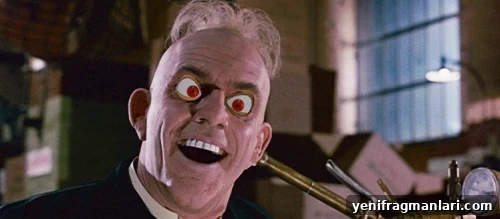
The supporting cast enriches the texture of the film. Kathleen Turner provides the voice of Jessica Rabbit, an exaggerated femme fatale figure designed in the image of 1940s glamour. Jessica’s sultry persona and confident presence are deliberately stylized; the film later reveals that her loyalty and heart complicate the crude assumptions made about her appearance. Christopher Lloyd gives a standout performance as Judge Doom, a chilling antagonist who combines theatrical menace with surreal menace. Doom’s unnerving quietness and sudden cruelty form one of the movie’s most memorable threats, grounding its cartoonish chaos with genuine peril.
While the film’s humor and some character portrayals reflect the era in which it was made, its themes remain resonant. Issues of prejudice, exploitation, and the marginalization of those labeled “other” run through the story, framed within the literal divide between humans and toons. The narrative invites viewers to think about how society treats difference and how fear and cynicism can be overcome through empathy. At the same time, the script does not shy away from adult jokes and pointed references, meaning the film caters to both mature viewers and children—often within the same scene.
Visually and technically, the movie was groundbreaking for its time. The choreography between human actors and animated characters demanded precise timing and careful planning to achieve believable interactions. The visual effects work not only serves spectacle but also helps communicate character and emotion, allowing animated figures to inhabit a realistic world without losing their cartoony essence.
Who Framed Roger Rabbit remains influential for its bold fusion of genres and forms. It is an inventive piece of popular entertainment that combines mystery, comedy, and a touch of social commentary into a family-pleasing package. Its clever screenplay, memorable performances, and inventive visuals ensure it still delights new viewers while rewarding repeat audiences who appreciate the film’s layered craftsmanship.
Score: 19/24