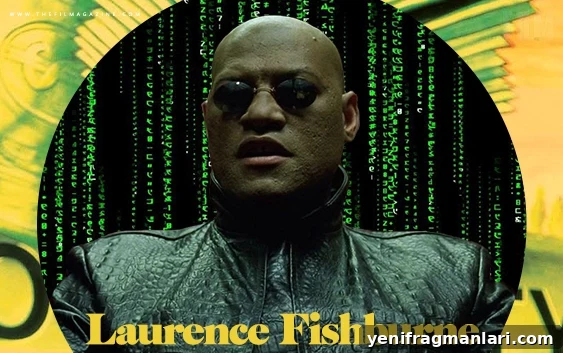
Laurence Fishburne’s career is both widely recognized and surprisingly underappreciated. Many people know his name—often associated immediately with his iconic role in The Matrix (1999)—yet his long and varied body of work across film, television, and theater is sometimes overlooked. Over decades he has earned numerous nominations and awards across the Emmys, Tonys, and Oscars, and he has repeatedly shown an ability to inhabit complex, thoughtful characters. Fishburne’s range, presence, and consistency have made him one of modern cinema’s most dependable and interesting actors.
Although Morpheus in The Matrix is the role that etched Fishburne into global pop-culture memory, his career was built on many memorable parts. Early on, a young Fishburne appeared as Tyrone Miller—known as Mr. Clean—in Francis Ford Coppola’s Apocalypse Now (1979). At only 14, he lied about his age to secure the part, a bold move that foreshadowed the determination and risk-taking that would characterize his career. That early success did not immediately vault him to stardom. The 1980s included a mix of television, stage work, and even jobs outside acting, including work as a bouncer in New York. Coppola helped him again with a supporting role in The Cotton Club (1984), and Fishburne went on to perform in Spielberg’s The Color Purple (1985), each role contributing to his growing reputation.
The 1990s proved to be the defining decade of Fishburne’s career. In that period he delivered several landmark performances that showed both range and depth, positioning him for continued success into the 2000s and beyond. Below are three performances that illustrate why that decade helped shape his legacy.
1. Boyz n the Hood (1991)
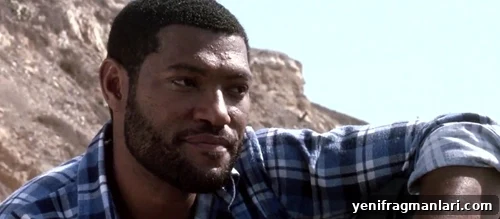
In John Singleton’s Boyz n the Hood (1991), Fishburne—credited then as Larry Fishburne—gave a commanding performance as Jason “Furious” Styles Jr., a former soldier turned committed father and community activist. The film paints a candid portrait of life in South Central Los Angeles through the eyes of young Jason “Tre” Styles (Cuba Gooding Jr.) and his peers. While the movie’s stark realism and emotional force won broad attention, it was Fishburne’s portrayal of Furious—the steady, principled father figure teaching his son about responsibility, dignity, and resistance to systemic injustice—that made an enduring cultural impression.
Furious is persuasive and calm, a man who prefers education and moral leadership to violence. Fishburne imbues the role with gravitas and clarity: his speeches and quiet conversations are some of the film’s most powerful moments. Furious provides a model of protective parenting and community commitment that contrasts sharply with the surrounding violence and despair. Even without a slew of awards specifically for this part, the character’s influence on representations of Black fatherhood and mentorship in cinema has been lasting. Elements of Furious—his moral certainty and intellectual authority—would echo in many of Fishburne’s later roles.
2. What’s Love Got to Do with It (1993)
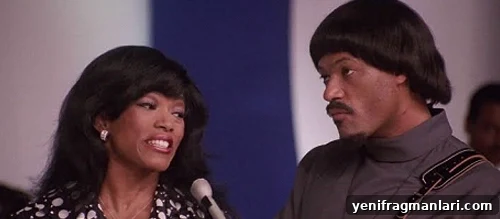
In Brian Gibson’s biopic What’s Love Got to Do with It (1993), Fishburne took on the brutal, complicated role of Ike Turner opposite Angela Bassett’s Tina Turner. The film traces Tina Turner’s rise to stardom alongside the increasingly abusive and controlling relationship with Ike. Fishburne’s portrayal of Ike is chilling and unflinching: he captures the manipulation, volatility, and darker impulses that made the relationship both professionally productive and personally destructive.
Contrasting sharply with his principled Furious Styles, Fishburne’s Ike is a study in charm turned corrosive. The performance is convincing enough that it provoked strong reactions from people familiar with Ike Turner’s life, and it demonstrated Fishburne’s ability to transform himself into a deeply unsympathetic, complex character. On set he was also reported to be protective of Angela Bassett during difficult scenes, showing professionalism and care while delivering an unrelenting portrayal.
3. The Matrix (1999)
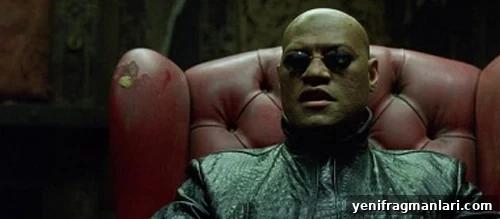
Laurence Fishburne closed out the 1990s with a role that would become synonymous with his name: Morpheus in The Matrix. Cast opposite Keanu Reeves as Neo, Fishburne brought calm authority, spiritual weight, and a memorable screen presence to the part. Morpheus serves as mentor, captain, and prophet who guides Neo toward awakening. Fishburne’s performance combines the contemplative wisdom of earlier roles with an unmistakable charisma that anchors the film’s more philosophical moments.
Morpheus’ lines and philosophy—about reality, choice, and self-knowledge—became defining moments in the film and in late-20th-century pop culture. Fishburne’s chemistry with Reeves, his deliberate delivery, and his physical intensity in action sequences helped make The Matrix both a critical and commercial phenomenon. The role also broadened Fishburne’s global recognition and opened doors to major franchise work in the years to follow.
Since The Matrix, Fishburne has continued to work steadily across film and television, taking roles that range from supporting parts in major franchises to leading roles in smaller, character-driven projects. He has appeared in projects across diverse genres, bringing credibility and poise to each performance. Yet it is the work he did in the 1990s—anchored by Boyz n the Hood, What’s Love Got to Do with It, and The Matrix—that most clearly shaped his public reputation and demonstrated his artistic range.
Written by John McDonald
You can support John McDonald in the following places:
Website: My Little Film Blog
Muck Rack: John McDonald
Twitter: @JohnPMcDonald17