
The Bikeriders (2023)
Director: Jeff Nichols
Screenwriter: Jeff Nichols
Starring: Jodie Comer, Tom Hardy, Austin Butler, Michael Shannon, Mike Faist
Jeff Nichols has always pursued his own cinematic interests, moving confidently between intimate independent dramas and more ambitious, concept-driven films. His work ranges from the modest, raw intensity of Shotgun Stories to the unsettling, interior-driven Take Shelter, and the mythic tones of Mud and Midnight Special. With The Bikeriders, Nichols follows a simpler impulse: he was inspired by a photobook about motorcycle clubs and by the real presence of the people in those photographs. The result is a film that celebrates not only a subculture but the individual lives and contradictions inside it.
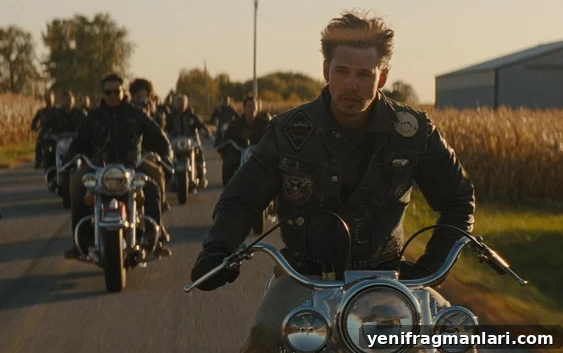
The film acknowledges its debt to the biker-film tradition, nodding to canonical works such as Easy Rider, yet it deliberately focuses on what “being cool” means to different characters. Tom Hardy plays Johnny, the charismatic leader whose idea to form the club is sparked by seeing Marlon Brando’s iconic performance as The Wild One’s Johnny Strabler. Johnny idolizes that persona, echoes its lines, and imagines himself living by its code. But rather than becoming a violent caricature, Johnny leads with a surprising sense of honor, fairness and loyalty that earns him respect within the group.
Austin Butler’s Benny is the film’s quieter, more volatile figure. He’s an outsider, bristling with anger yet deeply loyal—an understudy to Johnny who learns the ropes of identity and belonging through imitation and rivalry. Jodie Comer plays Kathy, Benny’s wife, and she anchors the story with a remarkable regional accent and an emotionally observant presence. Kathy is both inside and outside the club: she offers an intimate viewpoint that neither glorifies nor demonizes the members. Her voice gives the film its moral compass and human detail, revealing how the club’s mythology shapes everyday choices and relationships.
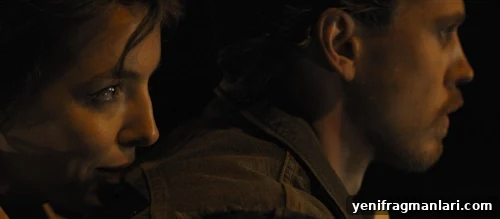
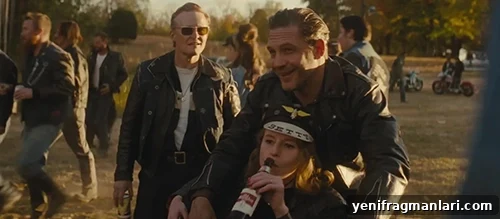
Across its runtime, the film introduces an ensemble of figures: longtime members, new recruits, rival clubs and impressionable teenagers who dream of being part of the group. Where the movie finds its emotional center is in how Johnny and Benny respond to these arrivals and changes, and how Kathy, as narrator and witness, shapes the audience’s understanding of them. Because Kathy has no ego invested in the club’s mythology, her narration reads as sincere and grounded. She lets us see the members as full people—flawed, tender, violent, and loyal—rather than as one-dimensional stereotypes.
There are structural echoes of films like Goodfellas in the way the club’s organization is treated almost fetishistically: hierarchy, loyalty, insignia and reputation all serve as currency. Membership confers confidence; the club is a badge that intimidates outsiders and offers belonging to those within. This perspective could risk flattening the broader social context—there are certainly more complex dynamics and dissenting voices in real life than the film portrays—but Nichols’ honest depiction and human focus offset that possible shortcoming. The result feels sincere and emotionally resonant even when it leans into familiar tropes.
What makes The Bikeriders notable is less its novelty and more the warmth and specificity of its approach. It does not attempt to reinvent the genre; instead, it illuminates why people are drawn to these groups in the first place. By focusing on motivation—on longing, identity, friendship and the yearning for recognition—the film renders the motorcycle club as a human institution rather than a caricature. In doing so, Nichols offers a portrait that is both empathetic and clear-eyed: these men and women are not so different from the rest of us, shaped by the same needs for community, purpose and respect.
Score: 18/24
Rating: 3 out of 5.
Written by Rob Jones
Support the author: rbrtjones.com
Twitter: @rbrtjones