
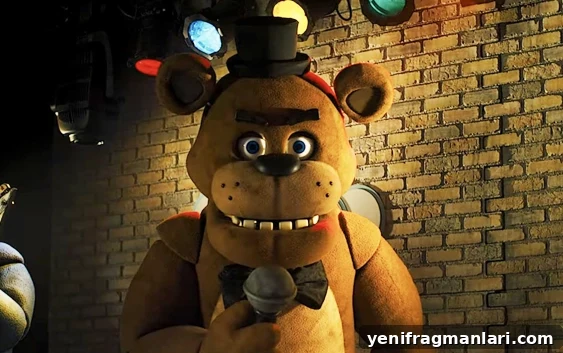
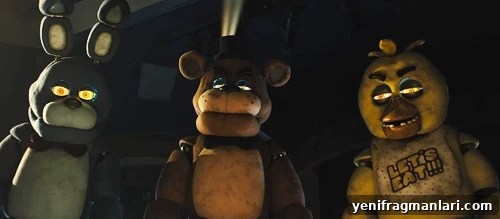
Five Nights at Freddy’s (2023)
Director: Emma Tammi
Screenwriters: Scott Cawthon, Seth Cuddeback, Emma Tammi
Starring: Josh Hutcherson, Elizabeth Lail, Piper Rubio, Mary Stuart Masterson, Matthew Lillard
The film adaptation of the popular survival horror video game series, Five Nights at Freddy’s, opened to remarkable box office success, setting records for the highest opening day sales among video game adaptations. Despite its commercial performance, the movie struggles to translate the core elements that made the original games compelling: sustained tension, minimalist storytelling, and the dread born from limited information and mounting threat.
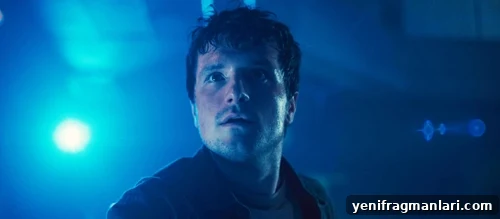
Director Emma Tammi and the writing team attempt to broaden the game’s simple premise into a feature-length narrative by centering on Josh Hutcherson’s Mike Schmidt and adding an emotional backstory. In this version, Mike’s younger brother Garrett was kidnapped in childhood, and Mike’s life has been derailed by that loss. He lives with his younger sister Abbey (Piper Rubio) and is threatened with losing custody to his estranged Aunt Jane (Mary Stuart Masterson) after a workplace incident at the mall. The film leans heavily into family drama, giving the protagonist motivations and relationships that rarely appeared in the source material.
Those emotional beats are meant to humanize Mike, but the screenplay often feels uncertain about what it wants to be: a tense, claustrophobic horror piece faithful to the game’s jump-scare economy, or a conventional studio thriller that prioritizes character melodrama. The result is a tonal imbalance. Long stretches are devoted to domestic conflict and exposition rather than building the sustained, camera-focused suspense that made the video game experience effective. In the games, players must monitor limited security systems, manage scarce power, and make tense choices as animatronics inch closer; the film echoes those elements visually but fails to replicate the urgency. The protagonist frequently sleeps on the job or neglects his watch, undermining the stakes and flattening the potential for dread.
More disappointing is the film’s treatment of the animatronics themselves. These characters should be the primary source of fear: mechanical, uncanny, and unpredictably alive. Instead, they are underused and seldom the focus during scenes that should maximize tension. When the animatronics do appear, the scares often feel perfunctory rather than terrifying, diluting the impact of their presence. The filmmakers include visual nods to the analog technology and 1980s setting—pinball machines, neon colors, and dated surveillance gear—but rarely exploit these elements to generate atmosphere or dread.
The narrative also assumes a degree of fan familiarity. Longtime players will appreciate Easter eggs and references that populate the movie, yet casual viewers may find the film’s world-building shallow. The history of Freddy Fazbear’s Pizza—its dark past, the missing children, and the rumors that haunt the brand—is hinted at but not fully integrated into an accessible, coherent mystery for newcomers. Expository scenes that attempt to explain the restaurant’s lore rely on clumsy dialogue rather than careful pacing and visual storytelling.
Performances are uneven. Hutcherson commits to his role and attempts to convey guilt and desperation, but his arc clashes with the film’s shifting priorities. Supporting players, including Elizabeth Lail and Matthew Lillard, bring energy and credibility, yet they cannot compensate for a screenplay that pulls between family melodrama and under-realized horror. The movie’s attempts at humor and camp rarely land, and the balance between scares and levity that made other contemporary horror successes effective is missing here.
Overall, Five Nights at Freddy’s offers moments that will thrill dedicated fans who enjoy seeing familiar elements dramatized on screen, but it falls short as a standalone horror film. It neither fully commits to the minimalist dread of the games nor embraces a distinct cinematic identity of its own. The film’s strengths—nostalgic visuals and occasional set pieces—are overshadowed by a lack of sustained tension, inconsistent pacing, and a script that splits its focus. As an adaptation, it delivers fan service; as a release aiming for mainstream horror success, it ultimately disappoints.
Score: 8/24
Rating: 1 out of 5.