Thanksgiving (2023)
Director: Eli Roth
Screenwriters: Jeff Rendel
Starring: Patrick Dempsey, Nell Verlaque, Addison Rae, Rick Hoffman, Milo Manheim, Jalen Thomas Brooks, Gina Gershon
Eli Roth’s Thanksgiving returns to the classic slasher playground with a film that wears its influences proudly. The movie grew out of a mock trailer first shown in the 2007 double feature experiment; that trailer, like others from that project, inspired stand-alone features in the years that followed. Now expanded into a full-length movie, Thanksgiving deliberately embraces the exploitation and slasher traditions from which it draws, offering an unapologetic and bloody tribute to decades of holiday horrors.
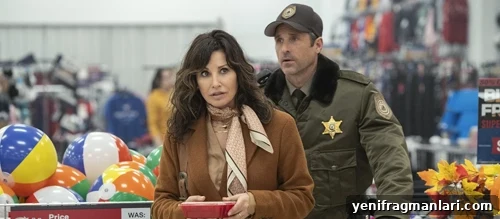
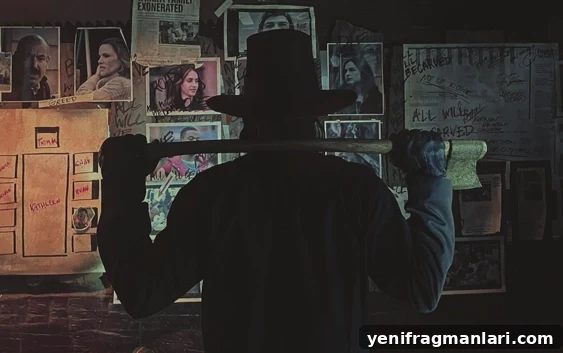
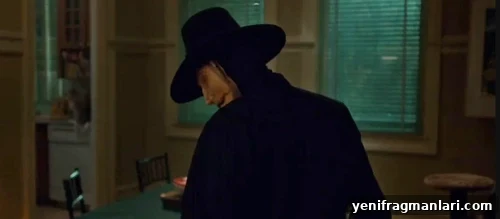
The plot centers on the aftermath of a deadly Black Friday massacre at a big-box store called RightMart. A year later, the town braces itself for the next Thanksgiving, filled with protests aimed at the store, confrontations aimed at the owner’s daughter Jessica (Nell Verlaque), and the return of her ex-boyfriend Bobby (Jalen Thomas Brooks). Tensions escalate when an axe is stolen from a mock-up of the Carver ancestral home and multiple masks fashioned to look like John Carver are distributed for the Thanksgiving parade. The central premise is simple and direct: someone has come back for revenge, and this time there will be no leftovers.
Visually and tonally, the film makes its inspirations obvious. Poster art and promotional imagery echo classic slasher movie designs. The movie is not merely pastiche of the 1970s and 1980s, though it contains numerous nods to that era—referencing landmark titles and leaning on the holiday-as-theme device that became a slasher staple. At the same time, it also acknowledges modern slasher revivals, blending old-school brutality with contemporary style and pacing. The dialogue is brisk, the direction is polished, and the score—composed in orchestral textures—supports the film’s sweeping, suspenseful moments without overstating them.
If you’re familiar with the slasher genre, you’ll recognize many of the film’s beats: the group dynamics, the predictable betrayals, the territorial use of local landmarks and folk myth. The characters are archetypal, but the actors bring enough commitment and detail to keep them compelling. The film’s writing leans into familiar tropes rather than trying to dismantle or subvert them, and that choice is central to its identity. This is not a postmodern deconstruction of the slasher; it is a celebration of the form, crafted to deliver the visceral shocks and the cathartic thrills fans expect.
Violence and gore are prominent. Roth does not hold back—practical and digital effects combine to produce brutal, often gruesome set pieces. If explicit carnage puts you off, this will not be the right film for you. For viewers who seek out visceral horror, the film satisfies with inventive kills, stylized staging, and high production values that elevate scenes beyond grindhouse roughness into a more meticulously assembled slasher experience.
Beneath the carnage, the film attempts to touch on social commentary—consumer culture, spectacle, and the viral nature of violence are threaded through the narrative. These themes are unevenly developed: they appear at moments and then recede, never becoming the primary focus. Still, their presence gives the film slightly more narrative heft than a purely mechanical slasher might have. The story leaves room for continuation; it resolves key plot points while implying that the aftermath may not be fully closed.
In execution, Thanksgiving is as much a stylistic tribute as it is a contemporary genre piece. It honors giallo roots, the holiday-slasher subgenre, and modern neo-slasher craft without devolving into self-aware satire. The film’s confidence comes from its clarity of purpose: it aims to be a classic slasher experience and succeeds on those terms. Fans of the genre will find it satisfying, and viewers new to this style will at least understand the appeal: clean direction, committed performances, and an unrelenting commitment to the conventions of slasher cinema.
While it does not reinvent the wheel, the film’s polished approach and heartfelt homage to slasher history make it a notable entry in the contemporary horror landscape. It stands as a bold declaration—a modern filmmaker embracing an old formula, polishing it with current techniques and delivering a film that celebrates the slasher’s simple, brutal pleasures.
Score: 18/24
Rating: 3 out of 5 stars
Rating: 3 out of 5.