
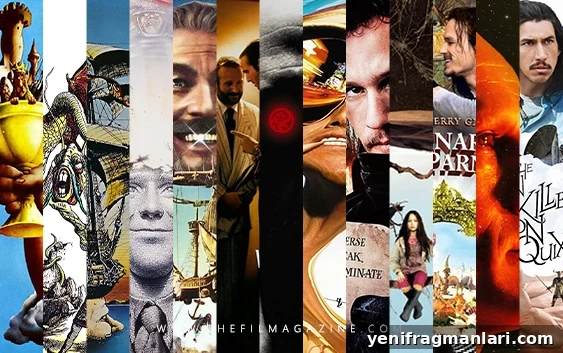
Terry Gilliam’s films are unmistakable. They’re always imaginative and provocative, yet often so crowded with ideas that they can feel unfinished—leaving viewers thinking “almost.” From his early days as the wild animator and occasional actor in Monty Python to his long, idiosyncratic career as a director, Gilliam has pursued a singular vision. That stubbornness has produced brilliant work, but it has also cost him: projects stalled for years, clashes with studios and collaborators, and films that arrived compromised in one way or another.
In this ranked overview from The Film Magazine, we take a look at all 13 feature films directed by Gilliam. He remains one of contemporary cinema’s most daring auteurs—mischievous, fantastical and frequently lost in his own imagination. Below are all 13 Terry Gilliam–directed features, ranked.
13. The Brothers Grimm (2005)
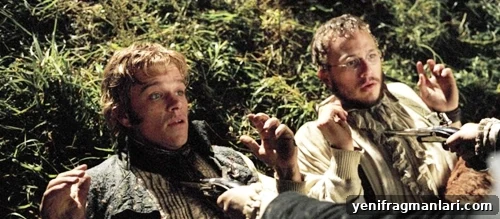
Two conman brothers (Heath Ledger and Matt Damon) arrive in a village haunted by a dark curse and, despite themselves, become reluctant heroes.
On paper, a Gilliam take on the lives and macabre sensibilities of the real Grimm brothers promised a rich, strange fable. The finished film has strong visuals and spirited performances from Ledger and Damon, but its tone wavers and the narrative takes too long to find its footing. The result is an entertaining but muddled effort that never fully realizes its potential.
12. The Zero Theorem (2013)
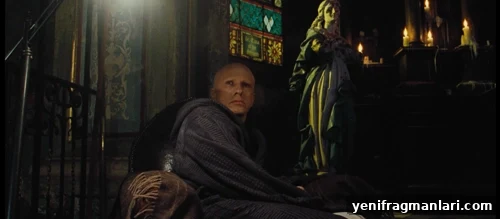
In a near-future dystopia, a reclusive programmer (Christoph Waltz) is pressured by shadowy authorities to prove that life and the universe are meaningless.
Gilliam returned to sci-fi after long gaps, and The Zero Theorem visually recalls Brazil and Twelve Monkeys. Christoph Waltz anchors a cast of eccentric characters, but the film’s coldness and emotional distance prevent it from fully connecting. It’s an intriguing piece of worldbuilding that ultimately feels remote rather than revelatory.
11. The Man Who Killed Don Quixote (2018)
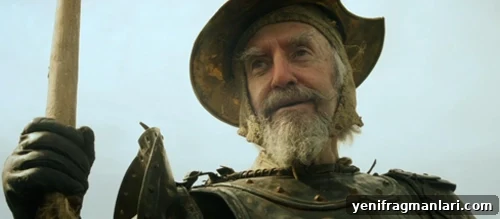
An embittered director (Adam Driver) becomes entangled with a man who believes he is Don Quixote (Jonathan Pryce), setting off a perilous journey through delusion and consequence.
This film became infamous for its decades-long development and disastrous early shoots, chronicled in Lost in La Mancha. The final movie is handsomely produced and contains strong moments from Driver and Pryce, but uneven choices in adaptation and an overambitious scope leave it feeling strained. It’s a fascinating, flawed testament to Gilliam’s persistent, quixotic spirit.
10. Time Bandits (1981)
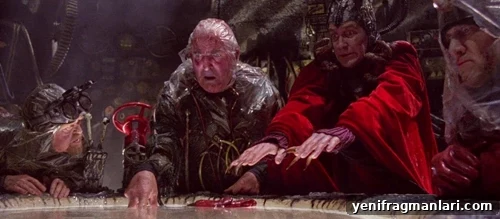
A young dreamer (Craig Warnock) joins a band of time-traveling dwarves on a series of anarchic heists across history and mythology.
Time Bandits is a frenetic, imaginative children’s adventure whose appeal depends on how you respond to bright-eyed fantasy and sketch-like episodic structure. Gilliam’s meticulous design and a parade of memorable character performances—John Cleese, Ian Holm and David Warner among them—make it a fondly remembered, if occasionally scattered, delight.
9. The Imaginarium of Doctor Parnassus (2009)
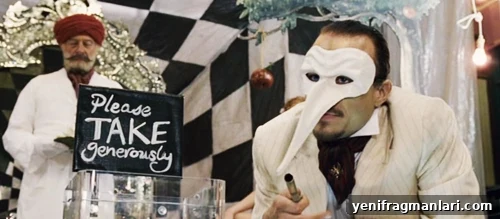
“A film born of Heath Ledger’s talent and his collaborators’ devotion.”
A traveling showman (Christopher Plummer) shelters an amnesiac man (Heath Ledger), whose presence allows the troupe to plumb the imaginative realms of their audience.
Midway through production, Ledger’s tragic death transformed the film into both a creative puzzle and a tribute. Gilliam’s surreal dreamscapes are on full display, and the inventive decision to have Johnny Depp, Jude Law and Colin Farrell portray different dream versions of Ledger’s character allows the movie to honor his work while navigating an unavoidable absence. The film can be conceptually loose, but it remains a radiant and heartfelt visual fantasia.
8. Jabberwocky (1977)
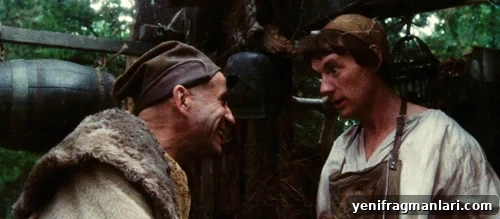
An ordinary peasant (Michael Palin) is unwittingly charged with vanquishing a monstrous creature that terrorizes a grim, absurdist version of medieval England.
Jabberwocky is Gilliam’s most Python-adjacent solo film, leaning into bleak humor, slapstick and scatological gags. It’s economical and effective—marked by memorable comic performances and a delightfully grim tone that reimagines fairy-tale adventure as low-rent, muddy chaos.
7. Monty Python and the Holy Grail (1975)
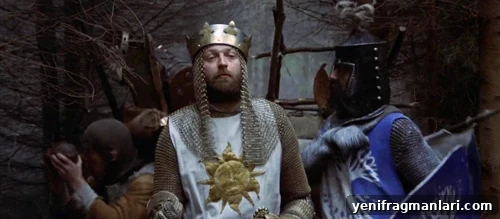
King Arthur (Graham Chapman) and his knights embark on a divinely inspired quest for the Holy Grail in this anarchic take on Arthurian legend.
Co-directed with Terry Jones, this landmark comedy blends sketches into a loosely structured quest. Gilliam’s visual sensibility helped make the film look cinematic, but the work is ultimately a collaborative triumph. It remains endlessly quotable and influential: the Killer Rabbit, the Black Knight, the Bridge of Death and the witch-weighing are forever lodged in comedy history.
6. Fear and Loathing in Las Vegas (1998)

A journalist (Johnny Depp) and his attorney (Benicio Del Toro) take a psychedelic road trip to Las Vegas and spiral into hallucinatory excess.
Adapting Hunter S. Thompson’s gonzo prose requires a director willing to embrace madness. Gilliam delivers an unrelenting, hallucinatory ride anchored by compelling performances from Depp and Del Toro. The film resists tidy explanation—better experienced as a chaotic dream-nightmare than dissected for strict narrative logic.
5. Tideland (2005)
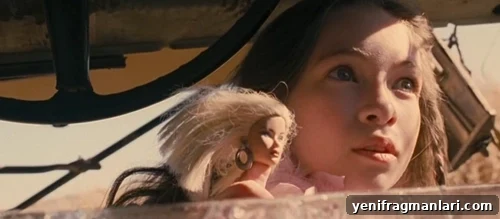
After both parents die from overdoses, young Jeliza-Rose (Jodelle Ferland) retreats into a vivid, often disturbing fantasy life in an isolated country house.
Tideland is perhaps Gilliam’s darkest and most divisive film. Equal parts Alice in Wonderland and grotesque Southern Gothic, it confronts themes of grief, abuse and madness with an uncompromising, unsettling gaze. Few films provoke such polarized reactions, but it remains a daring, uncompromising work that rewards viewers willing to enter its disturbing dreamworld.
4. The Adventures of Baron Munchausen (1988)
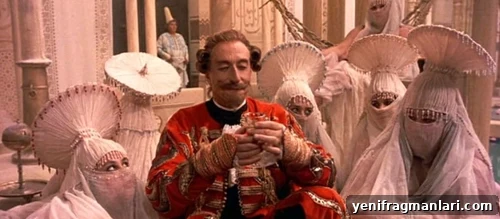
An aging adventurer (John Neville) recounts extraordinary, often impossible exploits, weaving tall tales that span worlds and genres.
Munchausen is Gilliam at his most audacious and ornate. Its elaborate production design and bold visual imagination create a fever-dream epic that borrows from pantomime, classical art and romantic literature. The scope and ambition make it uneven at times, but the film’s passionate invention and unforgettable images secure its place as one of Gilliam’s grandest achievements.
3. Brazil (1985)
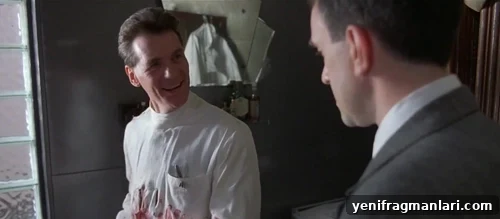
Sam Lowry (Jonathan Pryce), a low-level bureaucrat, navigates a suffocating, surveillance-driven state in search of escape and meaning.
Brazil is the definitive Gilliamesque film: dystopian, visually obsessive and scathingly satirical about bureaucracy, technology and authoritarian control. Its imagery is indelible and its tonal blend of dark humor and heartbreak culminates in an ending that forces you to ask whether a comforting fantasy is preferable to a grim reality. The film remains wildly influential and uniquely unsettling.
2. Twelve Monkeys (1995)
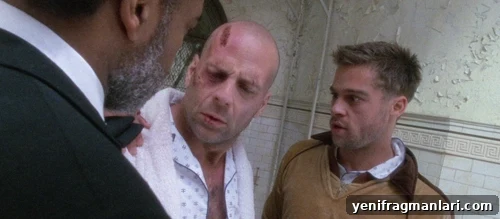
A convict (Bruce Willis) is sent back in time to stop a pandemic that devastates the future, becoming entangled in questions of sanity and fate.
Twelve Monkeys is Gilliam’s most tightly constructed and emotionally coherent film. With strong turns from Bruce Willis and Brad Pitt, it balances genre mechanics with poignant human drama. Drawing inspiration from La Jetée, the movie builds to haunting twists that resonate emotionally while reinforcing its themes of inevitability and circular time.
1. The Fisher King (1991)
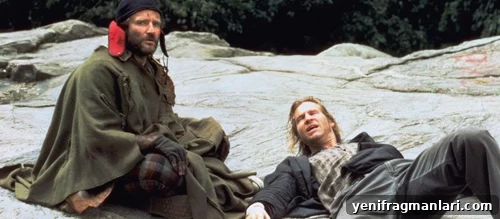
A disgraced radio DJ (Jeff Bridges) seeks redemption when he becomes entangled with Parry (Robin Williams), a traumatized homeless man convinced he is on a quest for the Holy Grail.
The Fisher King is Gilliam’s most emotionally complex and humane film. Rather than overwhelming sentiment or spectacle, it marries intimate character work with the director’s distinctive fantasy flourishes. Jeff Bridges and Robin Williams give layered, heartbreaking performances, and Gilliam’s restrained use of surrealism amplifies the film’s themes of trauma, healing and imagination. It stands as a near-perfect synthesis of his obsessions: the interplay of madness, empathy and the transformative power of myth.
Terry Gilliam’s career reads like the work of a defiantly singular artist—stubborn, brilliant and frequently beset by misfortune. Funding problems, production setbacks and personal losses have shaped a filmography that is as imperfect as it is vital. Whether he continues to pursue another impossible project or not, the films he has made over five decades are unmistakably his: rebellious, inventive and often hauntingly beautiful.
Which Terry Gilliam film resonates most with you? Share your thoughts and favorite moments below.