Godzilla Minus One / Gojira -1.0 (2023)
Director: Takashi Yamazaki
Screenwriter: Takashi Yamazaki
Starring: Ryunosuke Kamiki, Minami Hamabe, Yuki Yamada, Munetaka Aoki, Hidetaka Yoshioka, Sakura Ando, Kuranosuke Sasaki, Mio Tanaka, Sae Nagatani
Takashi Yamazaki’s Godzilla Minus One returns to the emotional and thematic roots that made the original Toho Godzilla films enduring pieces of cinema. Unlike recent big-budget Hollywood takes that often prioritize spectacle over substance, this film foregrounds the human cost of catastrophe while delivering convincing monster action. Set in the immediate aftermath of World War II, the movie blends intimate character drama with the kind of slow-building dread and tactile visual effects that make the creature’s presence genuinely menacing.
The story follows Koichi Shikishima (Ryunosuke Kamiki), a former kamikaze pilot who deserts and survives a devastating encounter with a dinosaur-like monster during the war. As he returns to a ruined Tokyo, still reeling from the Pacific campaign, Koichi finds a fragile new life with Noriko (Minami Hamabe) and her adopted young daughter. The residents of this devastated city are trying to rebuild their lives when the monster re-emerges—this time swollen to colossal size by radiation from nuclear testing. What follows is not just a series of destructive set pieces but a portrait of people forced to confront trauma, guilt, and the difficult choice to keep living amid constant fear.
What sets this film apart is its commitment to the human element. Yamazaki and his cast spend meaningful time developing an unconventional family unit formed by necessity in the war’s aftermath: unmarried partners, an adopted child, and a group of ordinary people including soldiers and scientists. These relationships feel authentic rather than contrived, and the ensemble cast gives each character a distinct arc. Koichi and Noriko, in particular, are carefully drawn—both carry emotional wounds and must decide whether to hold on to life or be consumed by the past. The investment in their personal journeys raises the stakes of the monster sequences, because the audience cares about the people caught in the calamity.
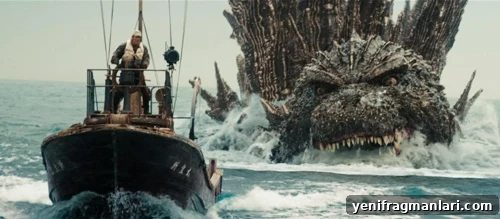
Technically the film is impressive, especially given its modest reported budget. Yamazaki, who also supervised the visual effects, opts for a style that blends practical in-camera elements with subtle digital enhancements. The result feels tactile and heavy; Godzilla’s movements and the environmental destruction have weight and consequence. Where many modern blockbusters hide their creatures in rapid cuts or obscuring weather effects, this film stages Godzilla’s actions largely in daylight with clear, deliberate editing. The VFX work has a sense of craftsmanship: you can tell where real physical details were integrated with CGI rather than relying solely on post-production trickery.
Sound design plays a crucial role in amplifying the film’s impact. Naoki Sato’s score weaves new themes with Akira Ifukube’s classic motifs, preserving the original franchise’s sonic identity while adding fresh emotional layers. The soundscape contributes a visceral quality—subsonic rumbles, creaking steel and exploding architecture—that makes the monster’s threat palpable even when it is offscreen.
The film also wrestles with timely themes without being heavy-handed. It examines the lingering trauma of wartime loss, the tragic cycles of militarism, and Japan’s precarious postwar position between global powers. These ideas are threaded through the characters’ lives and through visual metaphors, such as Godzilla’s dorsal plates forming a literal countdown to an atomic assault. At times the script could probe deeper into the complex political sentiments of the late 1940s, but the film’s chosen focus on personal recovery and communal sacrifice feels purposeful and affecting.

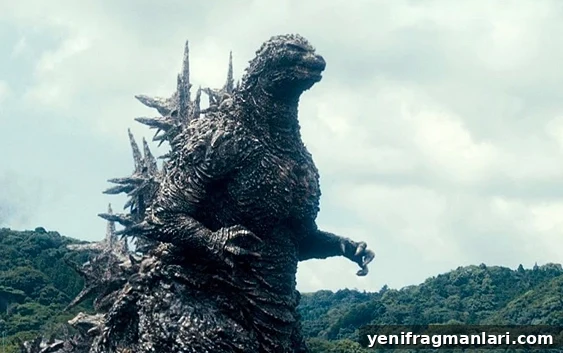
Godzilla’s portrayal here is classic and terrifying: a force that embodies the destructive legacy of nuclear weapons and the existential threat to a nation still struggling to stand. The creature is not presented as a cartoonish hero or trivial monster but as an elemental calamity that forces characters to make painful decisions. The film’s measured pacing and realistic stakes restore a sense of dread and moral consequence to the franchise.
In all, Godzilla Minus One is a rare example of a genre film that succeeds on both emotional and technical levels. It proves that a modestly budgeted production can deliver breathtaking effects and meaningful storytelling when the focus is on real people and honest stakes. For fans of kaiju cinema and serious filmgoers alike, this is a powerful reminder of what the Godzilla figure originally stood for—and why those themes remain relevant. It stands as one of the most accomplished entries in the franchise in decades.
Score: 22/24
Rating: 4 out of 5.