

Despite the efforts of profit-driven studio executives, cinema endured through 2023. Strikes by writers and actors, rising streaming costs and corporate decisions that treated creators as expendable highlighted an industry too often steered by executives chasing short-term gains. The WGA and SAG-AFTRA strikes paused production, promotion and releases, but ultimately secured stronger contracts and protections for writers and performers. For now, the artists prevailed and a creative spirit survived.
The films that reached audiences in 2023 often reflected that resilience: thoughtful, ambitious works by established masters and bold new voices. Veterans such as Martin Scorsese, David Fincher, Joanna Hogg, Hayao Miyazaki, Ken Loach, Christopher Nolan and Steven Spielberg released noteworthy films, while emerging or recently risen filmmakers—Greta Gerwig, Bradley Cooper, Celine Song and Emerald Fennell—brought distinctive perspectives. Across big studios and independent houses, the year produced a depth of artistry rare in recent cinema.
With so many accomplished filmmakers in play, selecting a list of the year’s best was challenging. The following ten films were chosen for their artistic and cultural significance: works that display exceptional mise-en-scène, thoughtful themes, emotional impact and lasting resonance. Presented by UK release dates, here are the 10 Best Films of 2023.
Follow me @JoeTFM on X (Twitter).
10. Anatomy of a Fall

Justine Triet’s courtroom drama Anatomy of a Fall earned the Cannes Palme d’Or and established itself as one of the year’s finest character studies. Sandra Hüller gives a career-defining performance as a woman defending herself against accusations of murdering her husband. The screenplay balances realism and dramatic tension, and the film’s editing plays a vital role in revealing information with precision while drawing the viewer into the trial itself.
Triet turns the legal drama into a thoughtful examination of gender and bias: how societal prejudices influence truth and how women are often disbelieved when they need fairness most. The film’s three-language structure and focused direction make it timely and thought-provoking, offering nuance rather than courtroom spectacle.
9. Maestro
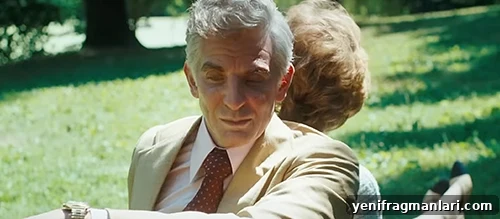
Bradley Cooper’s Maestro, a portrait of Leonard Bernstein and his relationship with Felicia Montealegre, is a richly cinematic and emotionally resonant biopic. Cooper’s lead performance and Carey Mulligan’s supporting turn anchor a film that privileges mood, visual composition and the interplay between private life and public art.
Matthew Libatique’s cinematography is a standout element: the film moves between evocative black-and-white sequences and a color palette that evokes mid-century melodrama, all presented in a 1.33:1 frame that emphasizes intimacy and historical context. Maestro is an elegant study of marriage, creativity and the compromises that come with fame.
8. The Whale
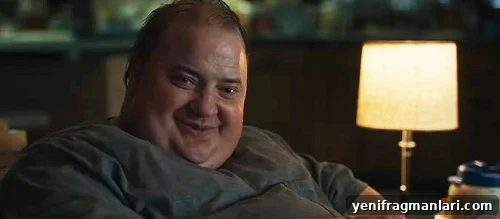
Darren Aronofsky’s The Whale is a raw, empathetic portrait of a man struggling with self-worth and addiction in a world shaped by convenience and isolation. Brendan Fraser delivers a deeply vulnerable, emotionally powerful performance, supported by a score that foregrounds empathy rather than spectacle. Samuel D. Hunter’s screenplay and Aronofsky’s risk-taking direction combine to create a film that captures loneliness, regret and the fragile hope for redemption.
7. Spider-Man: Across the Spider-Verse
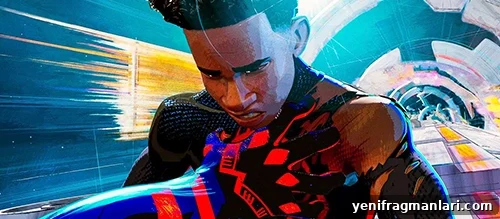
Sony Pictures Animation elevated superhero animation again with Spider-Man: Across the Spider-Verse. The film expands Miles Morales’s story across a visually inventive multiverse, using daring animation techniques—varying frame rates, layered styles and bold color choices—to create an experience that feels fresh and expressive. Daniel Pemberton’s score and a contemporary soundtrack fuse to support a narrative that resonates across cultures and generations. As a middle chapter of a trilogy, it raises the stakes emotionally and aesthetically.
6. May December
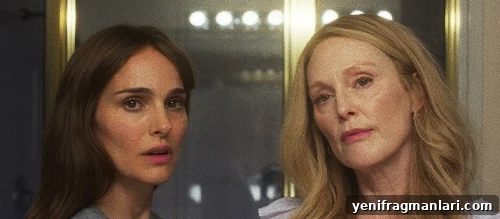
Todd Haynes’s May December turns its camera on the industry itself: how film and media reconstruct trauma and profit from tragedy. Natalie Portman, Julianne Moore and Charles Melton give absorbing performances in a story about an actress researching a real scandalous case. The film treats its subject with restraint and moral complexity, deconstructing voyeurism and how narratives around abuse are reshaped and consumed.
5. Barbie
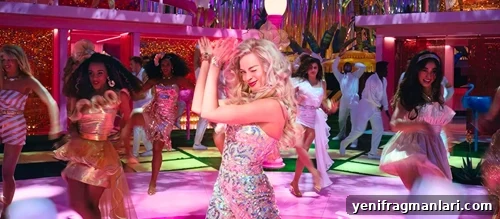
Greta Gerwig’s Barbie proved unexpectedly powerful: an IP-driven studio film that became a cultural moment. Blending satire, self-reflection and heartfelt character work, the movie explores contemporary womanhood, sexism and the search for self-love. Margot Robbie anchors the film with charm and vulnerability while Gerwig and Noah Baumbach’s script balances humor with meaningful critique. Technically playful and emotionally immediate, Barbie revived communal cinema experiences and connected with audiences worldwide.
4. Oppenheimer
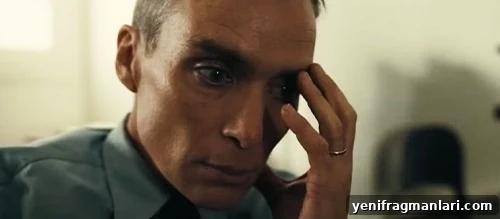
Christopher Nolan’s Oppenheimer combined monumental technical craft with intimate character study. The film’s use of unique black-and-white IMAX film stock, practical effects and Ludwig Göransson’s tense, shape-shifting score created a palpable sense of historical weight. Cillian Murphy leads a strong ensemble in a portrait of moral ambiguity, scientific ambition and existential dread—an experience that left a long-lasting emotional impression and affirmed cinema’s power to engage audiences with complex subjects.
3. The Old Oak

Ken Loach’s final film, The Old Oak, is a compassionate social-realist drama about asylum seekers housed in a struggling North East English community. Written by Paul Laverty, the film stresses empathy, belonging and the importance of communal spaces. Loach’s humanist approach and the strong performances from a largely non-professional cast offer a moving plea for solidarity in a polarized time.
2. Killers of the Flower Moon

Martin Scorsese’s Killers of the Flower Moon is a masterful blend of historical drama and cinephilic reflection. Using the true story of the Osage murders, Scorsese interrogates how cinema has contributed to stereotype and erasure while delivering gripping storytelling, exceptional pacing and powerful performances from Leonardo DiCaprio, Robert De Niro and breakout star Lily Gladstone. The film is both a stirring narrative and a meditation on representation and memory.
1. Babylon
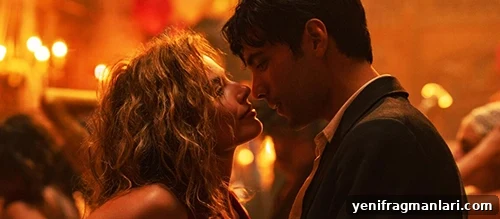
Damien Chazelle’s Babylon is a restless, exuberant ode to early Hollywood’s chaotic energy. Combining wild party sequences, vivid period detail and heartfelt character arcs, the film chronicles the transition from silent cinema to sound and the cultural forces that reshaped the industry. Margot Robbie, Brad Pitt and Diego Calva deliver compelling performances in a film that is as much about ambition and excess as it is about the enduring power of cinematic storytelling. Chazelle’s rhythmic direction and Justin Hurwitz’s propulsive score give the film a musical drive that mirrors the era it dramatizes.
In a year marked by upheaval inside and outside the industry, these films stand out not just for craft but for their willingness to confront social, political and emotional truths. While 2024 faces its own uncertainties, the work of 2023 demonstrates that powerful, transformative cinema endures. Which films made your best-of list? Share your picks and keep watching—the next life-changing movie may arrive any day.