

Portrait painter Marianne (Noémie Merlant) is summoned to an isolated island to paint an unwilling subject: Héloïse (Adèle Haenel). The commission comes from Héloïse’s mother (Valeria Golino) as part of an arranged match—Héloïse herself did not consent.
Written and directed by Céline Sciamma, Portrait of a Lady on Fire (2019) unfolds as a measured, sensory exploration of desire, passion, and the quiet violence of social constraint. The film is deliberate and intimate, drawing the viewer into small gestures and charged silences.
The island’s isolation, the heavy textures of eighteenth-century clothing, and the rigid social codes of the era all create layers of confinement that Marianne and Héloïse gradually try to escape. The film is at once a love story and a larger meditation on women whose lives and voices were largely ignored in history.
This list counts down the most striking, memorable, and emotionally resonant moments from Sciamma’s masterpiece: the 10 Best Portrait of a Lady on Fire Moments.
10. The Art Class
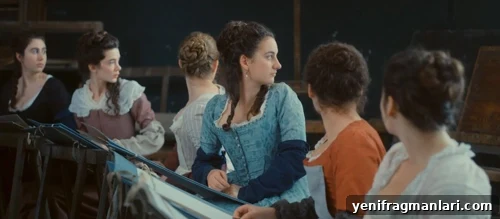
The film opens on Marianne teaching an art class. The camera moves through a room full of attentive students, every one of them women. This scene immediately sets the tone: Portrait of a Lady on Fire centers the female gaze and the creative lives of women, putting their collaboration and attention to one another at the forefront.
9. Diving Into the Sea
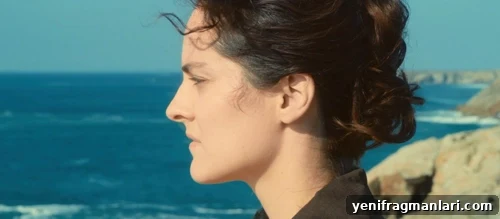
When Marianne’s painting tools tumble from the boat, the men on deck stand by and do nothing. Marianne, unflinching, dives into rough water to retrieve them. In a single, wordless act she reveals herself: determined, practical, and fiercely self-reliant. The sequence defines her quickly and vividly.
8. Marianne’s Mission
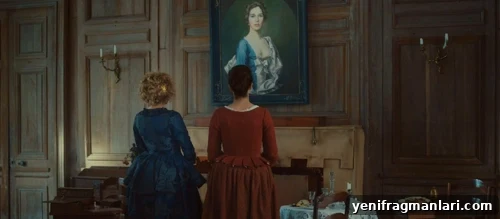
La Comtesse entrusts Marianne with painting Héloïse’s portrait, but with a crucial condition: Héloïse must not know she is being painted. That secrecy shapes the film’s emotional architecture. The covert nature of Marianne’s assignment creates many of the intimate, stolen moments that allow friendship and love to grow between the two women.
7. Portrait of a Lady on Fire

Marianne destroys the unfinished portrait painted earlier by a man who never saw Héloïse’s face. That act is symbolic and defiant: it rejects the objectifying male gaze that reduced Héloïse to a body to be displayed. By burning the earlier attempt, Marianne rejects the conventions that commodify women and clears the way to create a truer image born of care and attention.
6. “Is that how you see me?”
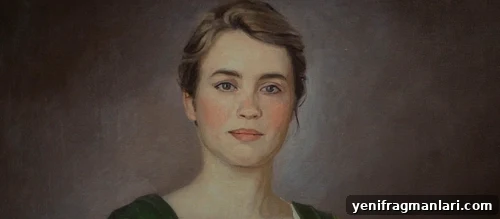
Unable to continue the deception, Marianne reveals the portrait she has painted in secret. Héloïse reacts with shock—not only at the lie, but at the way she is seen. She does not immediately recognize the woman in the painting. Marianne explains how her art has been constrained by rules set by men, a metaphor for how women’s lives were determined by male authority. The exchange forces both women to confront the truth of how they are perceived and how they wish to be seen.
5. “If you look at me, who do I look at?”
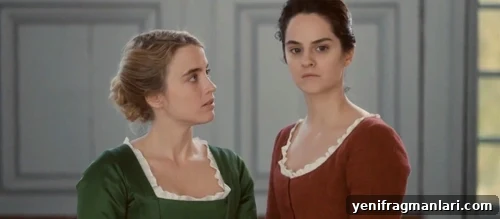
Marianne struggles to live fully in the present while painting someone she loves for another person’s benefit. She is haunted by melancholy: she must gift Héloïse’s likeness to a man she knows cannot bring her happiness. Héloïse refuses Marianne’s attempts to distance them. She insists that Marianne’s feelings are reciprocated, closing the gap between the painter and her subject and making their bond undeniable.
4. Vivaldi
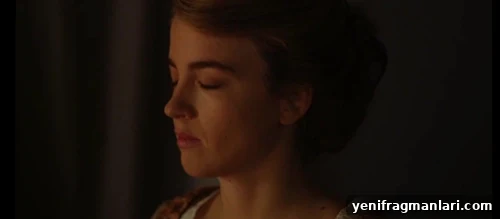
The film’s emotional resonance culminates in two mirrored closing sequences, both of which show Marianne watching Héloïse from a distance—observing her as she once was, unknown to Héloïse. The final images of Héloïse listening to Vivaldi’s Four Seasons are heartbreaking: she recalls playing the same music with Marianne and moves through waves of grief and tenderness. Adèle Haenel’s performance captures a lifetime of repressed feeling in fleeting, devastating expressions.
3. The Lady on Fire
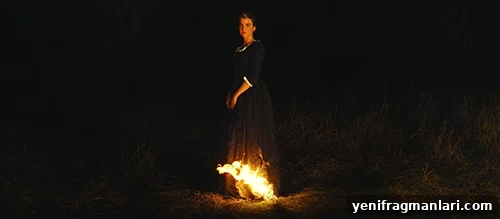
At a communal bonfire, a choir of local women begins to sing. Their voices falter and then bloom into something unexpectedly beautiful. Creativity and communal ritual are recurring themes—Sophie embroiders, Marianne paints, Héloïse philosophizes—so the spontaneous music feels like an outpouring of shared life. Lost in the moment, Héloïse’s dress catches fire. The image of her aflame—brief and frightening—becomes a lasting imprint on Marianne’s imagination, a metaphor for a love that both burns and endures.
2. Painting the Abortion
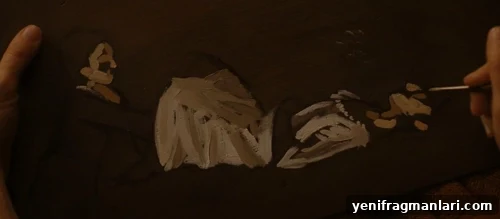
The film gives weight to an often-ignored, intimately female experience. Marianne, Héloïse, and Sophie silently decide to recreate Sophie’s recent termination so that it can be recorded and remembered. They make this choice without fanfare—no speeches or moralizing—only a quiet, shared understanding that this moment matters. Sciamma treats it with tenderness and respect, insisting that women’s private realities deserve attention and preservation.
1. Page 28
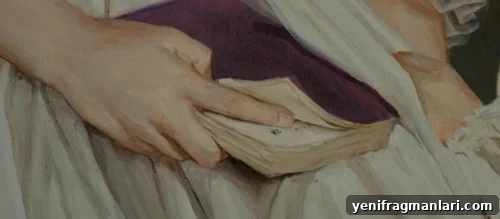
At an exhibition, Marianne sees a portrait of Héloïse displayed under a man’s name—her work shown in someone else’s shadow—and recognizes Héloïse in the crowd. Héloïse holds a book open to a particular page: page 28, the page on which Marianne’s nude self-portrait appears. That small gesture is devastating and eloquent. It reveals that Héloïse has kept a private trace of their intimacy and continues to carry Marianne with her. The moment is quiet, intimate, and devastatingly beautiful.
Choosing only ten moments from a film filled with delicate, profound scenes is never easy. Which sequences moved you the most—romantic, tragic, or unforgettable? Share the moments that stayed with you and how they affected your reading of the film. The power of Portrait of a Lady on Fire lies in its gentle insistence that women’s lives, creativity, and inner worlds are worthy of being seen and remembered.