
The Iron Claw (2023)
Director: Sean Durkin
Screenwriter: Sean Durkin
Starring: Zac Efron, Jeremy Allen White, Harris Dickinson, Stanley Simons, Holt McCallany, Maura Tierney, Lily James
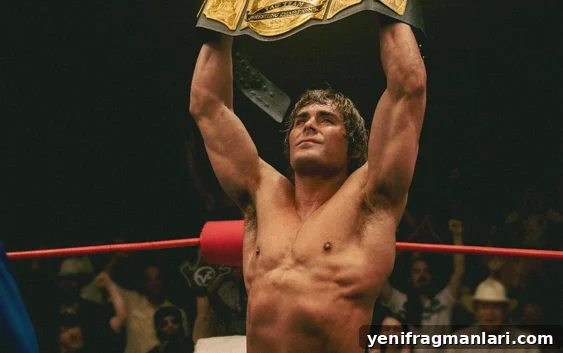
Sean Durkin, the writer-director who gained attention for films such as The Nest, returns with The Iron Claw, a stark, emotionally precise portrait of the Von Erich family and their life inside the brutal world of professional wrestling. From the opening moments, Durkin establishes tone and commitment: close-up images of Zac Efron’s body rise off the bed, veins and muscle defined as if carved from stone. That first image does more than showcase a physical transformation; it speaks to a lifetime of devotion, the discipline of a performance that demands complete surrender of body and time.
At its center the film tells a devastating true story about a family bound by loyalty, ambition, and a controlling patriarch. Durkin avoids sensationalism and the clichés of sports biopics—there are no triumphant montages that gloss over pain. Instead, the film dwells on the everyday routines and small cruelties that shape these men: pre-dawn runs, strict diets, and the constant pressure from Fritz Von Erich, played with grim force by Holt McCallany. That pressure is mirrored in the film’s title. The “iron claw” refers to a famous wrestling hold associated with Fritz, but Durkin uses it as a metaphor for the vice-like control the father exerts over his sons.
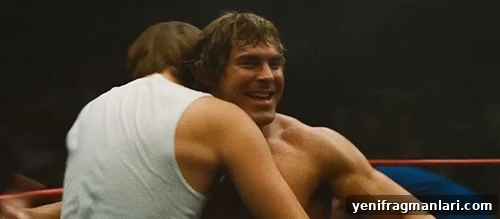
Zac Efron inhabits Kevin Von Erich with a careful mix of vulnerability and stoicism. He gives a performance that registers as both fragile and resolute, a young man trying to carry the family legacy while negotiating private sorrow. His brothers—David (Harris Dickinson), Kerry (Jeremy Allen White) and Mike (Stanley Simons)—each respond differently to the expectations laid upon them, and the movie traces those differing paths with compassion and rigor. Durkin’s focus is familial first and athletic second; the wrestling ring becomes a site where personal ruin and public performance meet.
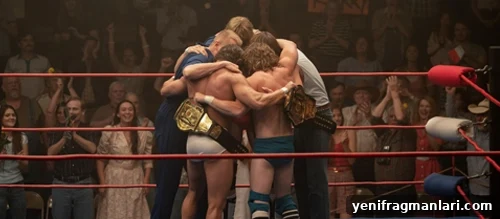
Durkin’s filmmaking choices underline the film’s themes. Inside the ring, matches are shot with deliberate restraint: muted palettes, tight camera moves, and quick cuts that emphasize impact rather than spectacle. Outside the ring, the visual approach is cleaner and more composed, allowing the actors and their relationships to carry the emotional weight. Mátyás Erdély’s cinematography supports the narrative without ever distracting from it; every frame feels chosen to reinforce the story’s quiet dread and tenderness.
Sound and music play a key role in the film’s atmosphere. A careful mix of production score and a signature song provide motifs that shift meaning as the story progresses. The film’s sound design gives the fights an aching physicality—heels slamming, bodies hitting wooden boards, the visceral small noises that make the ring’s violence feel immediate. These choices stop the audience from romanticizing wrestling and instead place them inside the cost paid by performers whose work is rarely acknowledged with the dignity it deserves.
There are inevitable comparisons to other wrestling films—most notably Darren Aronofsky’s The Wrestler—because both works treat the ring as a place of ruin as well as livelihood. Yet Durkin’s film finds its own emotional register by tying the spectacle directly to family dynamics and generational trauma. It is less about a single fallen performer and more about a lineage shaped and broken by the same force that made them stars.
The ensemble cast is uniformly excellent. Efron anchors the film with a performance that balances hope and despair. Jeremy Allen White, Harris Dickinson and Stanley Simons contribute performances that feel lived-in and true, each brother distinct in temperament and fate. Holt McCallany’s Fritz is a figure of old-school authority whose demands reverberate through every scene he touches. Together the cast and Durkin’s screenplay create a portrait that is empathetic yet unsparing.
Ultimately, The Iron Claw is an affecting, meticulously crafted drama that treats professional wrestling as both art and sacrifice. It refuses to glamorize pain and instead asks the audience to reckon with the human cost of entertainment. The film’s emotional resonance is likely to linger well after it ends: a tragic family story rendered with compassion, clarity, and uncommon moral seriousness.
Score: 20/24
⭐⭐⭐⭐
Rating: 4 out of 5.