
The Sound of Music (1965)
Directors: Robert Wise
Screenwriters: Ernest Lehman
Starring: Julie Andrews, Christopher Plummer, Charmain Carr, Heather Menzies, Angela Cartwright, Kym Karath, Duane Chase, Eleanor Parker, Nicholas Hammond, Debbie Turner, Peggy Wood, Richard Haydn, Daniel Truhitte, Ben Wright, Anna Lee, Portia Nelson, Norma Varden, Dorothy Jeakins, Marni Nixon
The Sound of Music is a cinematic landmark that has endured as a beloved classic for generations. Anchored by Julie Andrews and Christopher Plummer and scored by the legendary duo Richard Rodgers and Oscar Hammerstein II, the film combines memorable performances, stirring music, and an emotionally resonant story. Critically acclaimed and commercially successful, the film won five Academy Awards, including Best Picture and Best Director for Robert Wise, alongside awards for sound, editing, and score. It also earned multiple Golden Globes and guild awards, and in 2001 was added to the National Film Registry for its cultural and aesthetic significance.
Originally a Broadway musical that opened in 1959, the stage production ran for 1,433 performances and marked Oscar Hammerstein II’s final work before his death. The story follows Maria, a postulant training to be a nun, who is sent to serve as governess to the seven children of widowed naval captain Georg von Trapp. Through song, patience and warmth, Maria transforms the household and ultimately falls in love with the captain. As political tensions rise in Austria, the family must make a daring escape from the encroaching Nazi regime.
Despite some cast members later expressing mixed feelings about the production, audiences and many critics have embraced the film’s charm. As one prominent review noted, the film has the power to restore faith in movies—and, for some viewers, in humanity—through its heartfelt humor, genuine warmth, and sincere spirituality. Much of that power stems from the performances of Andrews and Plummer, the musical craftsmanship of Rodgers and Hammerstein, and Robert Wise’s assured direction.
Robert Wise’s direction is a model of classical filmmaking craft. He employs soft focus to heighten intimate moments and deep-focus compositions to allow foreground and background elements to coexist with clarity, giving scenes a layered visual richness. Wise’s experience adapting stage work to the screen serves the material well; he blends theatricality with cinematic breadth, using the sweeping Austrian landscape and thoughtful staging to expand the musical’s emotional scope. His work on this film earned him the Academy Award for Best Director and solidified his reputation for versatility across genres.
Julie Andrews brings effervescent charisma and emotional honesty to Maria, balancing spontaneity with quiet introspection. Her voice and presence define much of the film’s light and warmth. Christopher Plummer convincingly plays the stern, grief-shaped captain whose rigid discipline masks a deep devotion to his children. Their chemistry evolves naturally: Maria’s warmth and spontaneity gradually soften Georg’s formality, while his steadiness offers her a new sense of belonging. Together they carry the film’s central romance without calling attention to itself, making the relationship feel earned and resonant.
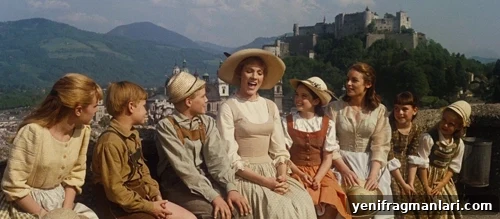
Costumes and production design play a vital storytelling role. Simple, earthy garments worn by Maria contrast sharply with the Baroness’s opulent gowns, visually communicating class differences and differing worldviews. The children’s clothing, the Abbey’s austere habit and the elegant uniforms of the captain help situate the story in pre-World War II Austria while also reinforcing personality traits and social expectations. Costume designer Dorothy Jeakins uses texture and color to define character and to help viewers immediately grasp who belongs to which world.
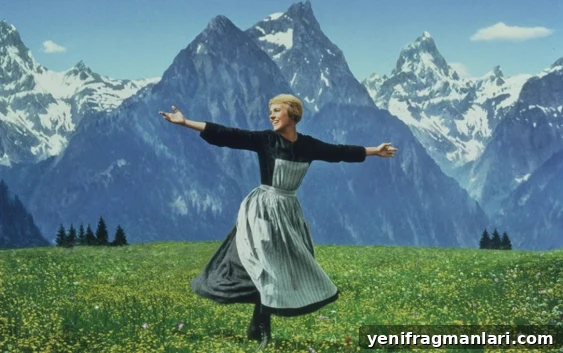
The Austrian landscape itself functions as a character. The mountains, meadows and river valleys embody freedom and joy and provide the backdrop for many of the film’s most memorable musical set pieces. Interiors—especially the Abbey and the von Trapp household—contrast with the outdoors, reflecting social order, repression, or warmth depending on the space. Cinematography and production design work together so that light, color and composition underline emotional beats: moments of hope are often accompanied by bright panes of light and warm gold tones, while scenes of constraint are framed in cooler, more restrained palettes.
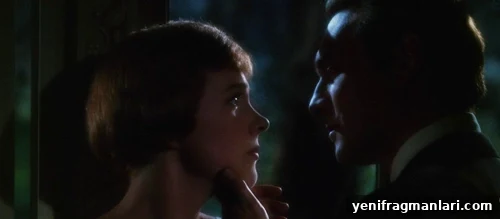
The film’s central romance fits the enduring “sunshine and grump” trope: the buoyant Maria contrasts with the buttoned-up Captain. Their interplay—initial clashes, mutual transformations, and eventual union—feels timeless and has influenced romantic storytelling in later films. The family’s emotional journey and shifting household dynamics create a strong emotional core that supports the musical numbers and the broader historical stakes.
Of course, the songs remain the film’s most indelible legacy. Rodgers and Hammerstein’s score produced enduring anthems that became radio staples and best-selling soundtrack hits in the 1960s. The soundtrack’s popularity helped sustain the film’s cultural presence across decades. Tunes like those that inspire sing-alongs remain embedded in popular culture, and the music’s blend of simplicity and melodic richness invites repeated listening and viewing.
In sum, The Sound of Music embraces some of the genre’s familiar comforts—romance, sentiment, and musical resolution—yet it does so with exceptional craftsmanship: strong performances, thoughtful direction, evocative design and an unforgettable score. It remains a film that comforts, uplifts and continues to charm audiences, even after many rewatches.
Score: 22/24
Written by Alannah Purslow
Support the author on social platforms: X (Twitter) @_alannahjade_ — LinkedIn: Alannah Purslow