
Monster (2023)
Director: Hirokazu Kore-eda
Screenwriter: Yuji Sakamoto
Starring: Sakura Andō, Eita Nagayama, Sōya Kurokawa, Hinata Hiiragi, Yūko Tanaka, Mitsuki Takahata, Akihiro Tsunoda, Shidō Nakamura
After consecutive projects filmed and set abroad — in France and South Korea — Palme d’Or winner Hirokazu Kore-eda returns to Japan with a carefully observed study of perspective, restraint and the stories people tell about themselves. Kore-eda explores unreliable narration by replaying the same events through different eyes, revealing how motivation and self-protection shape what we claim to know about others.
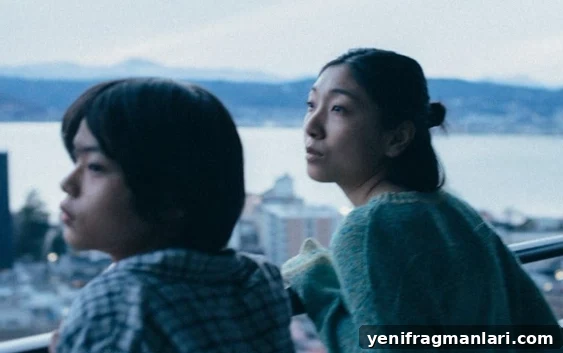
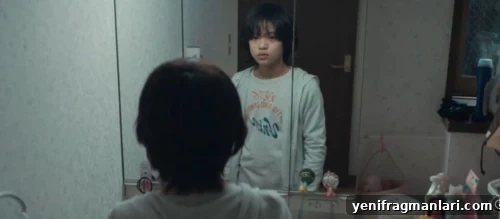
The film centers on young widow Saori Mugino (Sakura Andō) and her son Minato (Sōya Kurokawa). Minato has recently begun acting out and appears to be suffering; the new schoolteacher, Mr. Hori (Eita Nagayama), is an obvious suspect. But Kore-eda resists offering a simple accusation. The narrative unfolds from multiple viewpoints, each character carrying private fears and selective memories. What we first accept as evidence shifts as the camera revisits scenes from other perspectives, forcing the audience to reassess their assumptions.
At times the film flirts with the mood of a psychological thriller and the understated dread associated with directors like Kiyoshi Kurosawa, yet it gradually morphs into something quieter and more sorrowful. Despite its title, Monster is not a horror picture in the conventional sense. Its threats are social and emotional: ostracism, the inability to express one’s true self, and the slow erosion of dignity. Those real-life terrors—being misunderstood, judged, and isolated—become the primary sources of anguish.
In recent years, many films have tackled the fallout when teachers are accused of misconduct, and how communities respond to such allegations. These stories examine how a single claim, truthful or not, can upend lives and reputations. Kore-eda’s approach differs by refusing to reduce the conflict to a simple moral binary. Instead, the film examines the messy, human reasons people act: fear, shame, misguided protection, and sincere but flawed attempts at care. It echoes works that explore similar territory while remaining resolutely its own voice.
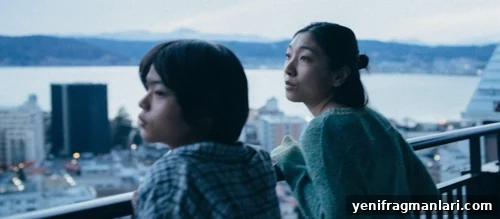
Monster is best experienced with minimal prior knowledge. There is a sensitively handled LGBTQ+ element that critics and festival audiences have praised, and revealing details here would blunt several of the film’s most affecting moments. Kore-eda treats this strand of the story with care: it is integrated into the larger exploration of secrecy, identity and the harm that comes from enforced silence.
Central to the film’s power are the performances. Sakura Andō delivers a particularly compelling portrayal of a mother under strain, and the three leads carry the emotional core with subtlety and restraint. Kore-eda’s directing style often allows the camera to hang back, letting scenes breathe and permitting small, natural moments to register. One memorable sequence takes place in the principal’s office, where Saori confronts the school leadership; the camera remains steady as embarrassed adults bow and apologize, and the framing gradually cuts off Saori’s face, emphasizing her isolation without melodrama.
Kore-eda is one of the few contemporary directors who consistently elicit natural, nuanced performances from child actors. Young performers like Sōya Kurokawa and Hinata Hiiragi convey emotional complexity without artifice, creating a believable and affecting portrait of childhood, confusion and growing pain.
The score, the final work by the late Ryuichi Sakamoto, underscores the film’s fragility and emotional nuance. It supports the drama without forcing it, offering a gentle, elegiac mood that complements Kore-eda’s unobtrusive camera work.
Stylistically, Kore-eda avoids obvious cues to mark shifts in perspective. The recurring image that signals a change of viewpoint is a burning building lighting the Tokyo skyline — a visual motif that different characters remember from distinct angles. The film favors a plain visual style that keeps viewers deeply involved in the characters’ interior lives. As a typhoon approaches in the final act, the film takes on the urgency and suspense of a disaster movie, but its stakes remain intimately human: we simply hope everyone survives the emotional storm intact.
With its deliberately ambiguous title and refusal to hand the audience easy resolutions, Monster ranks among Kore-eda’s strongest works. It doesn’t offer tidy answers about who is right or wrong; rather, it examines how ordinary people cope with shame, guilt and social pressure. The film demonstrates Kore-eda’s continued gift for portraying those pushed to the margins and for finding empathic insight in their conflicted inner lives.
Score: 22/24
⭐⭐⭐⭐
Rating: 4 out of 5.