
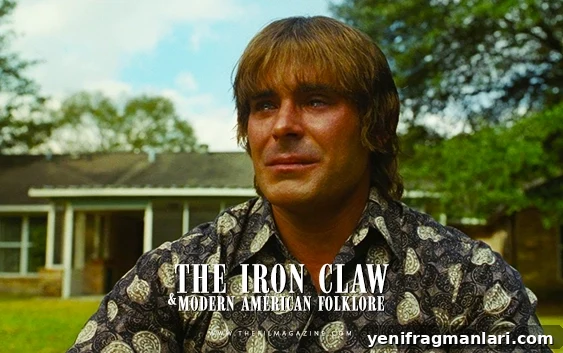
The Iron Claw is a deeply affecting film that examines the tragic story of the Von Erich wrestling family while also exploring broader themes of myth, identity, and American folklore. On the surface the film documents the hardships of a travelling wrestling troupe: the physical cost of performing, the pull of addiction, and the long shadow of generational trauma. Yet beneath the matches and injuries, the film is ultimately an inquiry into how fame and storytelling reshape real people into larger-than-life figures.
Writer-director Sean Durkin uses the true-life tragedy of the Von Erichs to offer a modern perspective on a distinctly American form of myth-making. By chronicling the brothers’ journey—from rural upbringing to fame in the ring and the devastating losses that followed—the film shows how public persona, storytelling, and cultural memory transform flesh-and-blood people into folklore. In doing so, The Iron Claw joins a long line of American narratives that turn lived experience into legend.
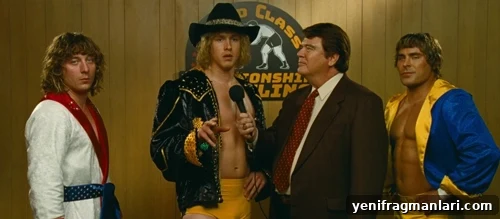
Professional wrestling itself operates as modern folklore. Its characters, inflated storylines, and ritualised conflicts resemble the tall tales and heroic sagas that populated earlier American oral traditions. Where early frontier legends celebrated the frontier strongman, contemporary wrestling celebrates amplified personalities—giants, monsters, and antiheroes—whose lives and reputations spread through TV, radio, and word of mouth. The Von Erichs, as presented in the film, function within that tradition: itinerant performers who travel from town to town, building reputations and mythic status through repeated public demonstrations of strength and sacrifice.
Durkin’s film foregrounds the contrast between public spectacle and private suffering. Scenes that show the brothers laughing with friends and celebrating in locker rooms are quickly followed by moments of exhaustion, pain, and dependency. That alternation humanises the men behind the personas and demystifies the spectacle: the cost of living a life designed to be seen and remembered becomes painfully clear. The movie pulls back the curtain on how myth is manufactured, reminding viewers that the images they’ve come to idolise are built on vulnerability and loss.
The Von Erich family’s place in American storytelling is reinforced by the film’s emphasis on lineage and tragedy. Multi-generational families have long occupied a central role in American folk narratives; the Von Erichs’ combination of triumph and calamity echoes other storied clans whose reputations were forged by conflict, loyalty, and death. That pattern—family success shadowed by recurring misfortune—intensifies the sense that their story has moved beyond private history and into the realm of folklore.

The film also ties its myth-making to the American idea of the land. The Von Erichs are portrayed as descendants of immigrants who pursue success in a hyper-competitive environment. The film frames that pursuit as part of the American Dream, with the family’s fortunes and tragedies unfolding across fields, roads, and the ranch that anchors their identity. Nature and place are not incidental: they shape memories, symbolize belonging, and create the visual vocabulary that turns a family home into a collective myth.
Folk-horror undertones arise from how the film treats the family name and the idea of a generational curse. Characters discuss the history of the Von Erich name and the misfortunes that seem to follow it, fostering a palpable dread that the past refuses to remain buried. This narrative device echoes countless folk-driven stories in which a family’s history exerts a supernatural or psychological hold on descendants, transforming personal trauma into an almost mythic inevitability.
Durkin uses cinematography to amplify this otherworldly feel. Shots of the ranch, the fields, and tree-lined paths carry a hazy, dreamlike quality that separates family life from the arenas where the brothers fight. Moments of isolation amid nature—long walks down shaded dirt roads, empty fields framing the homestead—transport viewers into the Von Erichs’ inward world. A late-film sequence, where deceased brothers appear reunited in a golden, river-side tableau, visually completes their transformation from real men into idealised figures of memory and longing.
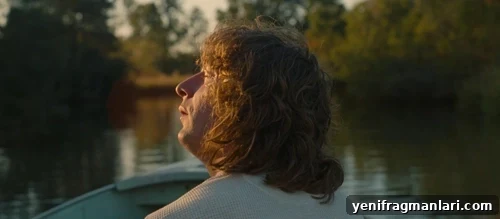
Ultimately, The Iron Claw is both a biographical drama and a meditation on how American culture creates and preserves its myths. By examining professional wrestling as a performative folk tradition and by situating the Von Erichs’ story within themes of land, legacy, and loss, the film adds a contemporary chapter to the nation’s catalogue of stories. It asks viewers to consider what gets remembered and why, and how public narrative reshapes private lives into something larger—often beautiful, often tragic, and forever intertwined with the land that helped shape them.
Written by Matthew Peyton