I Saw the TV Glow (2024)
Director: Jane Schoenbrun
Screenwriter: Jane Schoenbrun
Starring: Justice Smith, Brigette Lundy-Paine, Ian Foreman, Helena Howard, Lindsey Jordan, Danielle Deadwyler, Fred Durst
Do you like girls?
I don’t know.
Boys?
I- I- I think that, I like TV shows.
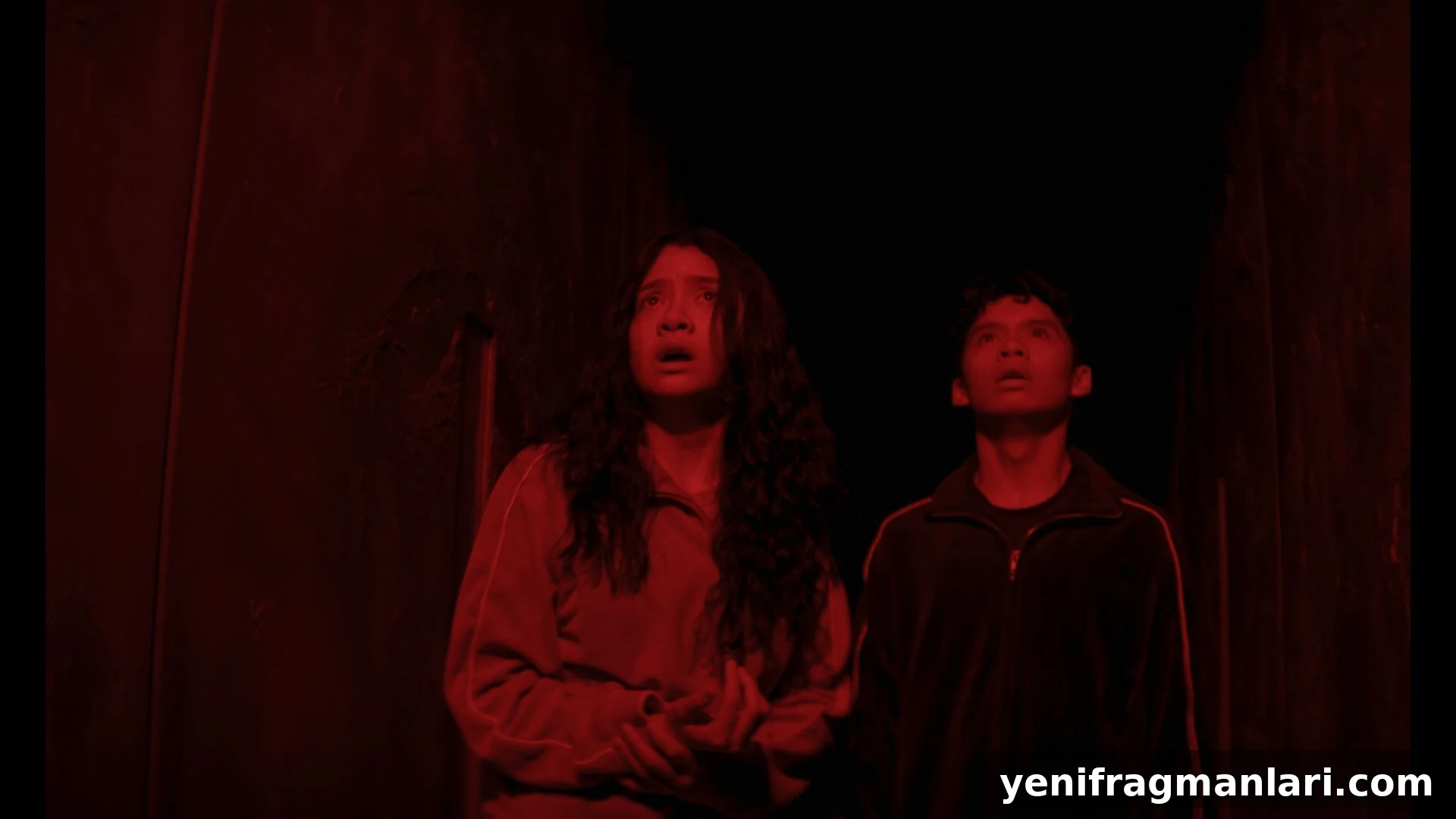
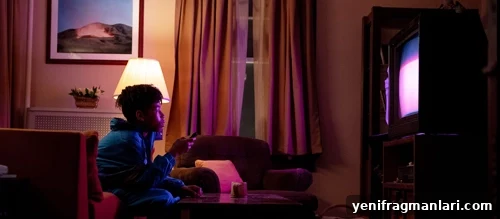
I Saw the TV Glow resists tidy categorization. It borrows from psychological thriller, coming-of-age drama, and surreal science fiction, yet it refuses to be pinned down by any single genre label. Director and writer Jane Schoenbrun constructs a film that destabilizes the viewer’s sense of time and place, intentionally blending the familiar with the uncanny. The movie’s aesthetic deliberately exaggerates textures and sound design: picture the washed-out glow of a 1990s CRT television, skewed color palettes, and a soundtrack that clicks and hums like a device on the verge of shorting out. These stylistic choices function as more than nostalgia; they are integral to the film’s argument about how media shapes identity and perception.
Visually, the film plays with the idea that objects and environments can hold psychological weight. Everyday items—an ice cream truck wreathed in neon smoke, a paper-thin children’s television set—become almost animate, acquiring presence and influence over the characters’ inner lives. This approach to world-building recalls certain dreamlike qualities commonly associated with surreal cinema, where the setting itself participates in the narrative and blurs the line between metaphor and literal action.

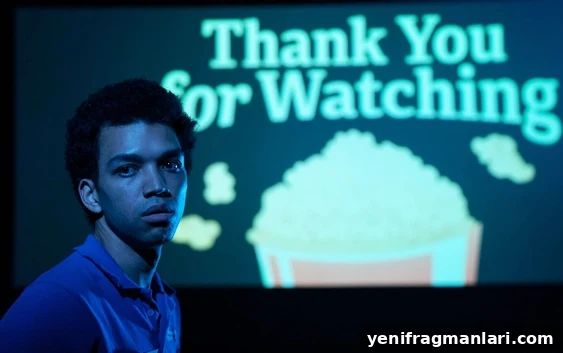
The central figure, Owen (Justice Smith), is introduced as a child fixated on the tube TV, longing for a world beyond parental rules and the constraints of suburban life. Owen discovers a fictional program called “The Pink Opaque,” a children’s series that holds the promise of escape and enchantment. That television fiction becomes a locus for longing, and Owen’s relationship with media forms the movie’s emotional core. Owen’s friendship with Maddie provides access to the show and, more importantly, to experiences and freedoms denied in their home environment. As the two teenagers drift between screens and waking life, the film deliberately collapses boundaries between fantasy and reality, inviting viewers to question what can be trusted on screen and what should be trusted in ourselves.
Beneath its surreal imagery, I Saw the TV Glow handles an intimate portrait of a young person discovering and coming to terms with a transgender identity. Schoenbrun treats this aspect of Owen’s life with sensitivity and restraint: the film never reduces Owen to a single label, but instead shows how gender, desire, and media fantasies intermingle in the mind of a young person trying to belong. For many queer viewers, the film’s depiction of finding refuge in fictional worlds will feel familiar—media can be a shelter, a template, and a language for feelings that are otherwise difficult to articulate.
Schoenbrun’s earlier film explored similar territories of online identity and isolation, and this follow-up expands on those concerns while deepening the formal ambition. Where their debut held a diffuse internet-era melancholy, this film leans further into tactile, analog sensations: the hum of an old television, the grain of film, and soundscapes that feel physical rather than purely electronic. The horror elements are subtle and psychological rather than overtly sensational; moments of childlike wonder coexist with growing unease, generating an atmosphere that is both nostalgic and menacing.
The narrative favors mood, metaphor, and nonlinear structure over straightforward exposition. Viewers should expect a film that rewards repeated viewing: each pass through the movie reveals new formal details and interpretive possibilities. Some audiences may find the pacing uneven or the ambiguity frustrating, but those drawn to introspective, image-driven cinema will likely appreciate the film’s willingness to withhold tidy resolutions.
Score: 20/24
Written by Jake Fittipaldi
This review examines how I Saw the TV Glow uses form and feeling to explore identity, longing, and the porous boundary between screens and life. It is a film that will linger in memory for its distinctive look and its patient, often unsettling emotional logic.