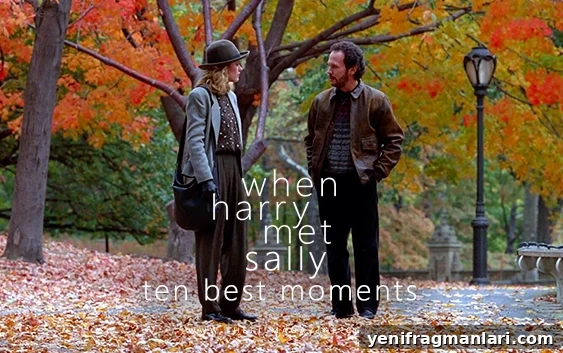
When Harry Met Sally (1989), written with razor-sharp wit by Nora Ephron and directed with genuine tenderness by Rob Reiner, follows two strangers whose chance encounters over twelve years reshape their lives. It’s a concise, affecting 90-minute film that makes you laugh as much as it moves you.
This definitive romantic comedy is packed with unforgettable scenes that have secured its lasting reputation. It playfully revises some romantic conventions while embracing the most heartfelt elements of classic Hollywood romance.
In this Movie List, we at The Film Magazine highlight the funniest, cleverest, and most touching moments from what is widely regarded as one of the modern era’s best rom-coms. These are the 10 Best When Harry Met Sally Moments.
10. When Harry Met Sally
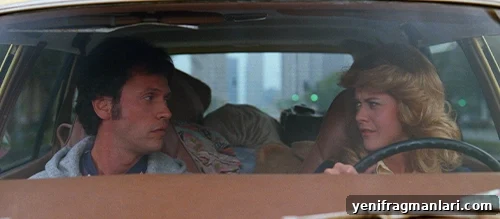
The film opens in 1977, when Sally Albright (Meg Ryan) gives Harry Burns (Billy Crystal) a ride from the University of Chicago to New York City. Their personalities clash immediately: Sally’s optimistic, earnest view of life contrasts sharply with Harry’s witty cynicism, establishing an entertaining and dynamic rapport.
The humor intensifies at a roadside diner, where Harry pokes at Sally’s private life. Initially defensive, Sally fires back to disprove Harry’s assumptions about her sexual experience. When asked why she ended a previous relationship, she explains a quirky detail about her “days-of-the-week” underwear—she never wore Sunday because “they didn’t make Sunday. Why? Because of God.” The exchange sets the tone for their charged, playful interactions.
Recommended for you: When Harry Met Sally Retrospective Review
9. A Chance Encounter in the Sky
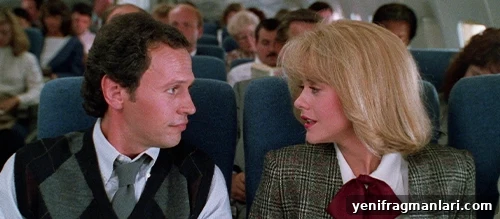
Five years later, having left things on frosty terms, Harry and Sally meet again on the same flight. Both are now in relationships—Sally is dating someone new and Harry is engaged—yet their personalities remain in sharp contrast. Their conversation is as witty as ever, and their chemistry is undeniable.
Sally has grown less naive; instead of getting defensive, she delivers a memorable line: “It’s amazing. You look like a normal person, but actually you are the angel of death.” Harry, meanwhile, shows a softer side as he reveals he truly loves his fiancée. Their exchange signals personal growth while foreshadowing the complications ahead: small details—like Sally saying neither she nor her boyfriend want to marry, and Harry noting his fiancée will keep her surname—later become crucial to the story.
The plane lands, Harry reiterates his view that men and women can’t be friends, and the two part on colder terms than before—setting up the slow-burn arc of their relationship.
8. The Morning After Phone Call
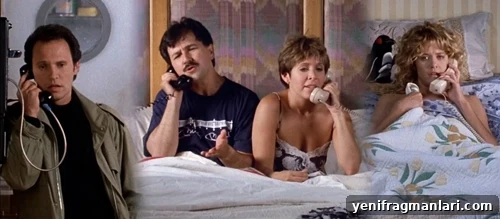
After an awkward night together, Harry and Sally separately call their best friends—Jess (Bruno Kirby) and Marie (Carrie Fisher)—to process what happened. The four-way phone call is a masterful device that blends humor and vulnerability, as the friends attempt to comfort, console, and tease one another. Nora Ephron’s writing keeps multiple threads of dialogue clear and emotionally resonant, making the scene both relatable and charming.
7. The Documentary Couples
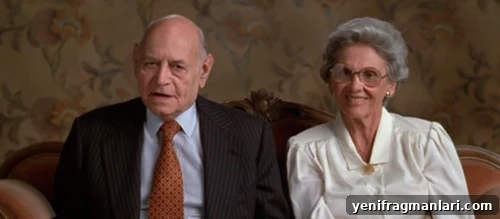
Before we meet Harry and Sally, the film opens with an elderly couple recounting how they met. Presented like a short talking-head documentary, the couple speaks directly to the camera, and the husband’s wistful line, “two weeks later, we were married,” provides both humor and perspective. These candid testimonials from older couples are interspersed throughout the film, offering varied viewpoints on love and reinforcing the movie’s central themes.
Recommended for you: 10 Best Bridget Jones’s Diary Moments
6. When Harry and Sally Become Friends
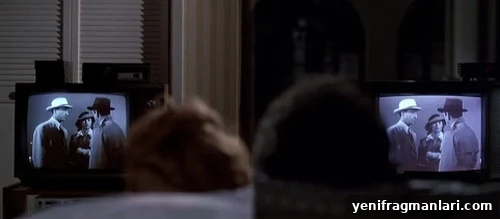
After confiding in each other about their heartbreaks, Harry and Sally decide to be friends. A montage follows: autumnal New York, side-by-side snapshots of their single lives, and Harry Connick Jr.’s lush jazz score weaving the scenes together. Conversation about classic films like Casablanca underscores their cultural connection. The montage culminates in a split-screen of them watching the same movie from separate apartments—a visual cue that, though emotionally closer, they still maintain personal boundaries.
5. Single Again
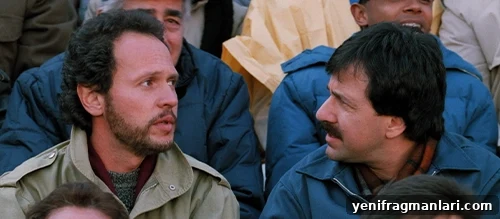
By 1983, both are single once more. Sally breaks up with Joe (Steven Ford) during lunch with her friends Alice and Marie; Marie humorously produces a rolodex full of male contacts, a prop that lands the gag perfectly. Meanwhile, Harry confides to Jess while at a football game; the joyful crowd and periodic interruptions, including a Mexican wave, turn what could be a solemn moment into a comic highlight. Billy Crystal’s deadpan line—”Well, that symptom is fucking my wife”—is as sharp as it is surprising.
4. Men and Women Can’t Be Friends
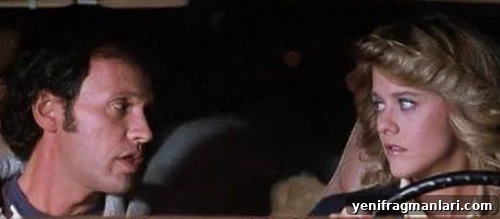
On their initial drive to New York, Harry attempts to make a move on Sally, sparking the film’s central debate: can a man and woman truly be friends? Sally insists that men and women can be friends because she has many male friends. Harry dismisses this, arguing that “the sex part always gets in the way.” This provocative idea drives the movie’s tension: will attraction disrupt their friendship, and what happens if they act on it? Though the premise might feel dated to some viewers, the question still resonates in contemporary conversations about relationships.
Recommended for you: Top 10 Contemporary Rom-Com Ensembles
3. “I’ll have what she’s having.”
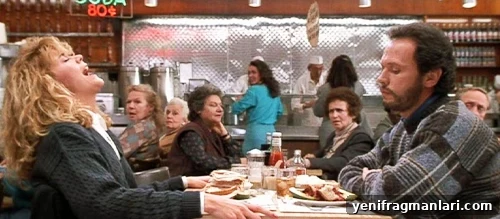
The film’s most iconic moment occurs at Katz’s Delicatessen. In their ongoing debate about whether women fake orgasms, Harry confidently claims no woman has ever faked one for him. Sally responds by loudly and convincingly faking an orgasm at the table, drawing stunned looks from strangers. Her dramatic performance is capped by a customer’s deadpan line: “I’ll have what she’s having.” The scene is comedic genius—bold, unexpected, and unforgettable.
2. “Could you just hold me a little longer?”
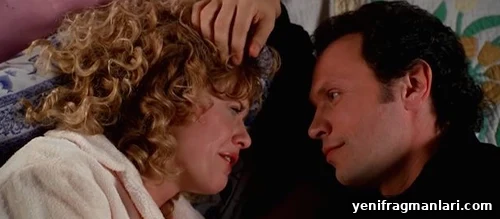
This poignant moment brings the friendship-versus-romance question to the forefront. After learning her ex is marrying someone else, Sally falls apart and calls Harry for comfort. He arrives and steadies her, and when she asks, “Could you just hold me a little longer?” they sleep together. The scene is achingly relatable—about heartbreak, vulnerability, and the way intimacy can blur the lines between friends. Harry’s reassurances—telling Sally her carefully ordered personality is “a good thing”—are gentle, honest, and deeply affecting.
1. New Year’s Eve
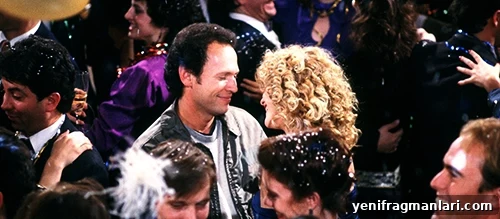
After a bitter argument at Jess and Marie’s wedding, Harry and Sally’s friendship collapses. Harry tries to reconcile but is rejected, and on New Year’s Eve, Sally attends a party while Harry wanders the city alone. Standing where she once dropped him off in Washington Square Park, Harry realizes he is in love with her. He races to the party and delivers one of cinema’s most memorable romantic monologues, listing the many small reasons he loves Sally—exactly the flaws she believed made her unlovable. Her tearful response and their kiss as Auld Lang Syne plays create a cathartic emotional release. The film ends on a wide shot of them embracing amid the celebration—an earnest, satisfying conclusion.
Recommended for you: 10 Best Ways the Movies Say I Love You
When Harry Met Sally endures as one of the greatest romantic comedies because of its elegantly written screenplay, warm performances, and evocative visual style that invites repeat viewings. Its themes—friendship, love, vulnerability, and sexual honesty—remain relevant, which is why new audiences continue to discover and appreciate the film.
Which scenes speak to you the most? Did we highlight your favorites? Are there rom-com monologues that rival Harry’s declaration? Share your thoughts in the comments below.
Written by Grace Laidler
You can support Grace Laidler in the following places:
X (Twitter): @gracewillhuntin
Substack: grace about town