
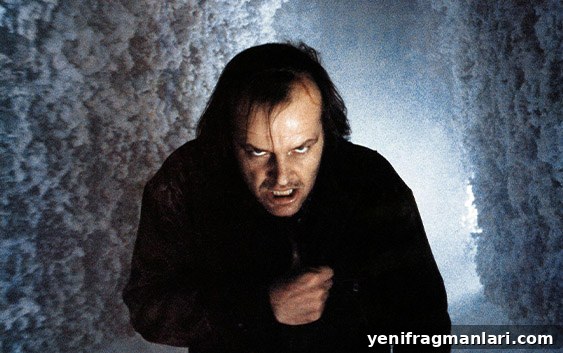
Jack Nicholson stands among Hollywood’s most distinguished actors. Over a career that spans decades, he built a reputation for bringing intense emotion, magnetic energy, and audacious presence to the screen. Nicholson’s performances are distinguished by an ability to inhabit characters so completely that he dominates every frame; regardless of whether he plays a hero or an antagonist, audiences are drawn to him and compelled to follow his journey.
Nicholson’s path into acting began while he served between the National Guard and active military duty. During that period he trained with the Players Ring Theatre, which deepened his interest in performance and launched his commitment to a life in front of the camera. He won the lead in Roger Corman’s The Cry Baby Killer (1958) and took small parts in Corman productions including The Little Shop of Horrors (1960), The Raven (1963), and The Terror (1963). When acting opportunities slowed, Nicholson turned to writing and contributed to projects such as The Trip (1967) and Head (1968). Yet just a year after moving behind the scenes, he achieved his breakout role in Easy Rider (1969), portraying a troubled lawyer and earning his first Academy Award nomination.
After Easy Rider, Nicholson became a major box-office name and refined his talent for anti-hero portrayals in films like Five Easy Pieces (1970) and Chinatown (1974). Over the following decades he solidified his status as a leading actor known for bold, memorable performances that elevate every film in which he appears.
With twelve Academy Award nominations and three wins, Nicholson is the most-nominated male performer in Oscars history. Beyond awards, he amassed more than fifty feature performances and developed a distinctive, reliably high-quality body of work. Below are three performances that define his legacy and highlight the range and intensity that made him a cinematic icon.
1. One Flew Over the Cuckoo’s Nest (1975)
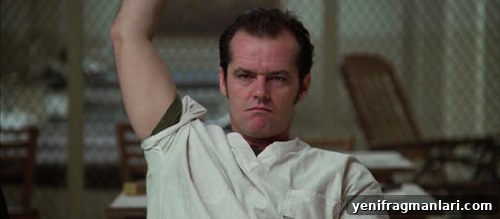
One Flew Over the Cuckoo’s Nest is a landmark film built around heavy themes: friendship, freedom, and society’s treatment of those labeled as different. Based on Ken Kesey’s 1962 novel, the story exposes the cruelty that can flourish within rigid institutional systems. Nicholson plays Randle McMurphy, a man transferred from a work farm to a psychiatric hospital whose brash personality initially challenges the institution’s oppressive order.
Nicholson’s performance charts a complex emotional arc—from bravado and defiance to vulnerability and tragedy—delivering those shifts with a raw authenticity few actors can summon. He clashes with hospital staff, forms unexpected bonds with fellow patients, and ultimately faces the institution’s most harrowing consequences. While the screenplay and ensemble cast are exceptional, the film’s enduring power rests in large part on Nicholson’s ability to render McMurphy as both charismatic and heartbreakingly human.
2. The Shining (1980)
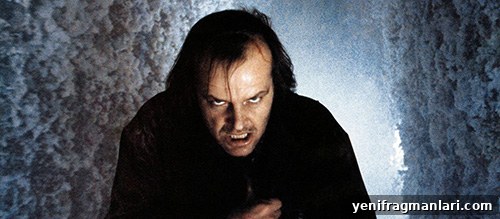
Stanley Kubrick’s The Shining is widely regarded as one of the most frightening films ever made, and Nicholson’s portrayal of Jack Torrance is central to that reputation. Torrance’s descent into madness is depicted with an intensity and specificity that make his unraveling terrifying and mesmerising. Nicholson deploys what has become known as the “Kubrick Stare”—a dead, penetrating gaze—alongside a chilling grin and tightly furrowed expressions to anchor the film’s unnerving atmosphere.
To prepare for the role, Nicholson embraced extended method-style work, spending long hours developing the on-screen relationship with his co-star and maintaining a heightened state of agitation so that the character’s tension remained authentic. The result is a performance that feels viscerally lived-in: Torrance is not merely acted, he is palpably present, his volatility and decline haunting the viewer long after the credits roll. Nicholson’s work in The Shining remains one of his most iconic and influential, shaping how intensity and instability can be portrayed on film.
3. The Pledge (2001)
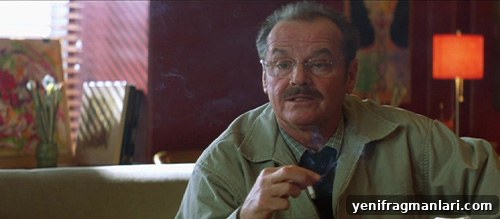
Late in his career Nicholson delivered a deeply affecting and often overlooked performance in The Pledge. He plays Jerry Black, a retired detective who becomes consumed with solving the murder of a young girl. The film presents a sorrowful, methodical study of obsession and grief, and Nicholson’s portrayal is both powerful and tender—an unusual but revealing combination.
Detective roles marked by personal fixation are familiar in the thriller genre, but Nicholson’s depiction stands out for its quiet specificity. He dissolves into the character so completely that viewers experience Jerry Black as a three-dimensional person rather than a star playing a part. The performance is subtle, anchored by small gestures and a weary moral intensity that communicates how a life can be altered by unresolved loss.
Over the course of his career, Nicholson carefully shaped a body of work defined by emotional force and versatility. He matched a prolific output with unwavering commitment to character, creating performances that continue to influence actors and captivate audiences around the world.
From electrifying early roles to complex later work, Jack Nicholson’s career is a masterclass in how charisma, craft, and fearless emotional investment can transform film. These three performances—One Flew Over the Cuckoo’s Nest, The Shining, and The Pledge—illustrate different facets of his talent and together form a compelling portrait of one of cinema’s most singular artists.