
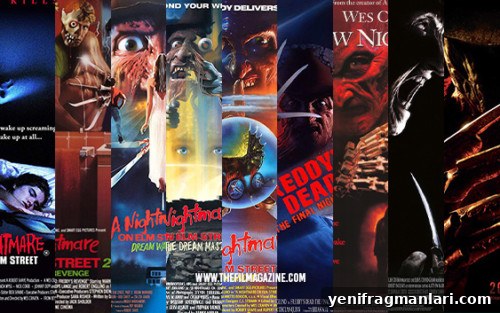
In 1984, director Wes Craven—already known for unsettling films like The Last House on the Left and The Hills Have Eyes—gave the horror world a new icon. Freddy Krueger, the razor-gloved nightmare stalker memorably embodied by Robert Englund, transformed sleep into a terror-filled battleground. Over a series of sequels, a crossover and a remake, Freddy’s blend of dark humor and grotesque imagination left a permanent mark on genre cinema.
Below is a ranked guide to every major visit to Elm Street: the highs, the lows, and the missteps. Make a cup of coffee, keep your eyelids propped open, and resist the urge to fall asleep. “One, two, Freddy’s coming for you…”
9. A Nightmare on Elm Street (2010)
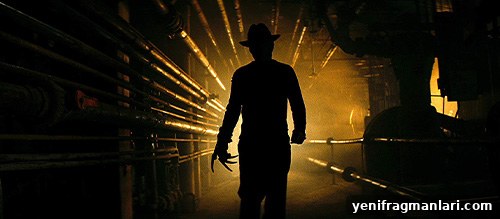
The 2010 remake retells the original story but strips away much of what made the 1984 film compelling. The tone is darker in an almost literal sense—more jump scares and less mystery. By explaining Freddy’s past and motivations early, the film robs him of the enigmatic menace that fuelled the original. Jackie Earle Haley gives a committed performance, but the script’s need to rationalize Freddy weakens his aura. The decision to constantly keep characters on the brink of sleep through micro-naps flattens the concept: Freddy becomes just another horror antagonist instead of a mythic force. Rooney Mara is fine in the lead, but the supporting cast leaves little impression. Overall, this remake lacks the confidence to reinvent the idea and fails to outshine its source.
As scary as a nightmare where: You’ve lost your library card and there’s a queue behind you.
8. Freddy’s Dead: The Final Nightmare (1991)
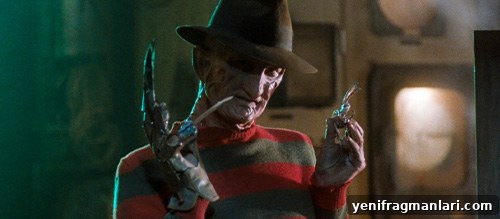
Promoted as the last chapter, Freddy’s Dead stretches a tired concept into a 3D-tinged spectacle. The film opens with a cheeky Nietzsche quote and a self-aware Freddy line, but the humor and visual gags quickly wear thin. By this point Freddy functions more as a comic showman than a terrifying force: the menace is gone, replaced by gurning and gimmicks. The narrative tries to refresh the franchise with new characters and technology, but the result feels like an unfocused soft reboot that never fully commits. Outlandish twists and a scene featuring a Power Glove weapon underline how far the series had drifted from the original’s unsettling tone.
As scary as a nightmare where: You check all your kitchen cupboards and discover you’re out of tea.
7. Freddy vs Jason (2003)
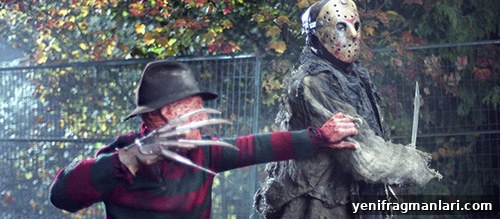
This long-awaited crossover pits Freddy Krueger against Jason Voorhees in a slasher showdown. The concept is pure fan-service: two iconic killers together at last. The film delivers on gore and spectacle, and Robert Englund clearly enjoys returning to Freddy’s persona, but the plot is thin and much of the acting is weak. Pacing issues make the movie feel padded, and the protagonists are mostly unlikable, which undermines audience investment. Still, the central confrontation and several imaginative kills make this an entertaining, if flawed, mash-up.
As scary as a nightmare where: You realize too late that you put your new jeans in a white wash.
6. A Nightmare on Elm Street 4: The Dream Master (1988)
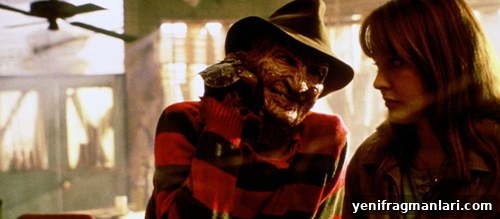
Following the more charismatic Dream Warriors, Dream Master centers on a new heroine, Alice, as Freddy seeks revenge in the dream realm. Directed by Renny Harlin, the film aims for spectacle but often feels cheaply produced and clumsily edited. It leans into bizarre dream imagery rather than frightening set pieces, producing scenes that are odd more than terrifying. The franchise mythology starts to become muddled here, with plot threads added on the fly. That said, the sequence where Freddy is ambushed by the souls he consumes is striking and shows the series still trying inventive visual ideas.
As scary as a nightmare where: You realize you left money in your new jeans in the white wash.
5. A Nightmare on Elm Street 3: Dream Warriors (1987)
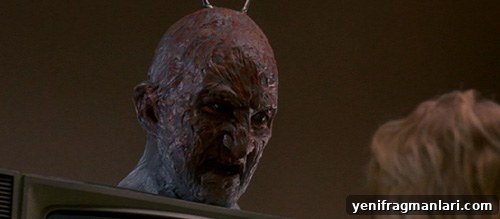
Dream Warriors introduces a group of teens in a psychiatric hospital who learn to fight Freddy within their dreams. The premise—young people developing dream-based powers to battle a monster—has enormous potential, and the film gives us a handful of memorable set pieces and creative deaths. Patricia Arquette’s debut performance stands out, though Heather Langenkamp’s Nancy feels less engaged. The movie flirts with a fun, quasi-superhero vibe that isn’t fully realized, but it remains one of the franchise’s more imaginative installments thanks to effective practical effects and a strong central concept.
As scary as a nightmare where: All your teeth spontaneously fall out.
4. A Nightmare on Elm Street Part 2: Freddy’s Revenge (1985)
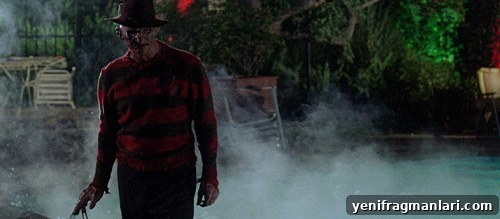
The second film shifts tone significantly: Freddy’s influence reaches into the waking world by possessing a teenager named Jesse. While denounced by some fans for its differences from the original, Freddy’s Revenge raises the stakes by amplifying Freddy’s powers and its tension. The movie’s summer-heat setting and the sense of increasing dread make it compelling in its own right. The film is often discussed because of its homoerotic subtext, which stems from the screenplay and the lead’s portrayal of inner conflict. Despite continuity oddities, this sequel stands out for its mood and willingness to experiment with the character’s reach.
As scary as a nightmare where: You’re running agonizingly slowly away from an axe-murderer.
3. A Nightmare on Elm Street: The Dream Child (1989)
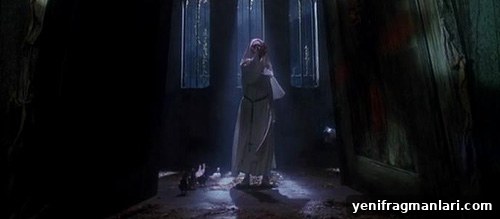
Dream Child follows Alice as she faces the terrifying idea that Freddy could return through her unborn child’s dreams. The film mixes pulpy exploitation elements with striking visual design, delivering some of the series’ most surreal imagery. A Gothic sensibility in the lighting and framing elevates otherwise trashy material, and the Escher-inspired finale is one of the most memorable climaxes in the franchise. The production feels rushed in places, and some sequences are disappointingly brief, but the movie’s bold visual choices make it linger in the memory.
As scary as a nightmare where: You’re trapped in a room with a load of angry painted tarantulas crawling on you.
2. A Nightmare on Elm Street (1984)
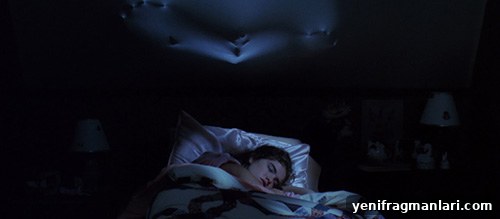
The original Nightmare on Elm Street is a tightly controlled exercise in dread. Wes Craven’s concept—turning sleep into a fatal trap—exploits a universal vulnerability and uses the unknowability of dreams to maximum effect. Freddy Krueger’s introduction as a charred, razor-gloved killer who invades rest itself is brilliantly executed, and the film’s imaginative, unsettling imagery endures: a hand appearing through a wall, a classmate’s corpse materializing beside a bed, and Johnny Depp’s iconic early role ending in a startling special effect. The movie established Freddy as a cultural figure and helped launch New Line Cinema as a major player.
As scary as a nightmare where: You’re naked in school.
1. Wes Craven’s New Nightmare (1994)
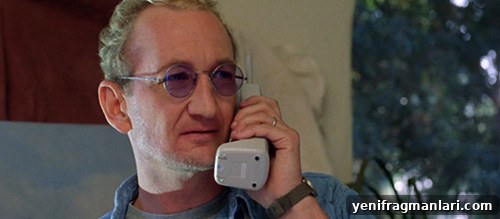
New Nightmare reframes Freddy as a meta-threat that bleeds from fiction into the real world, menacing actors and filmmakers involved in the Nightmare franchise. Wes Craven returns with a sharp, self-aware take that restores real terror to the character. By casting Heather Langenkamp, Robert Englund and himself in slightly fictionalized roles, Craven crafts a paranoid, haunted atmosphere that feels personal and immediate. The film’s clever blurring of reality and nightmare, its potent imagery and relentless sense of dread make it the franchise’s most artistically accomplished entry. Freddy is chilling again—less a jokey antagonist and more a genuine, mythic evil.
As scary as a nightmare where: Freddy’s coming for you!
Do you agree with this ranking? Disagree violently? Which Nightmare on Elm Street is your favorite? Share your thoughts in the comments.
Pages 1 2 3