Interview with the Vampire (1994)
Director: Neil Jordan
Screenwriter: Anne Rice
Starring: Tom Cruise, Brad Pitt, Stephen Rea, Antonio Banderas, Christian Slater, and Kirsten Dunst
Neil Jordan’s Interview with the Vampire (1994) stands as a defining moment in the cinematic evolution of the vampire. Adapted from Anne Rice’s novel, the film reimagined the vampire as a romantic, tortured antihero and helped shape the modern vampire mythos still visible across popular culture. Anchored by Tom Cruise’s electrifying Lestat de Lioncourt and Brad Pitt’s brooding Louis de Pointe du Lac, the movie fused lush gothic visuals with existential questions about immortality, morality, and identity.
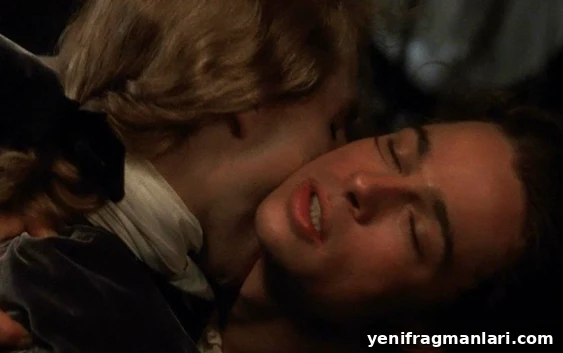
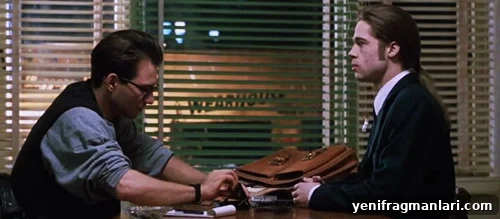
The film opens in contemporary 1994 San Francisco, with a somber choir score and moody cityscapes. Louis, now a 200-year-old vampire, recounts his life to a young journalist, Daniel Molloy (Christian Slater). Skeptical at first, Daniel becomes convinced when Louis reveals his supernatural traits: distant, luminous eyes, porcelain skin, and graceful, elongated fingers. Louis’s story transports viewers back to 1791 Louisiana, where a grief-stricken plantation owner, yearning for death after losing his family, is awakened to the night by Lestat. Lestat transforms Louis into his companion, setting in motion a fraught partnership defined by hunger, guilt, and the search for meaning.
The reluctant balance between Louis and Lestat shifts when Claudia (Kirsten Dunst), a child orphaned by plague, is turned into a vampire. Claudia’s childlike body and ageless mind generate a tragic tension: she matures intellectually but cannot grow physically, and her curiosity about the origin of vampires drives the narrative into Europe. The trio’s fragile family fractures under Lestat’s dominance and Claudia’s escalating obsession, culminating in a journey to a Parisian vampire coven led by the enigmatic Armand (Antonio Banderas). These developments raise stakes beyond survival, forcing the characters to confront belonging, power, and the ethics of their existence.
When Anne Rice’s novel arrived in 1976, it transformed vampire fiction by casting these creatures as emotional, artistic, and conflicted beings rather than one-dimensional monsters. The film adaptation carries that literary shift to the screen, contrasting sharply with earlier depictions that emphasized vampiric threat and foreign menace. While late-20th-century films began presenting more seductive vampires, Jordan’s film deepened the archetype by foregrounding interiority and melancholic beauty, resulting in a richly atmospheric picture that influenced subsequent vampire stories across television and film.
Jordan’s background in atmospheric storytelling is evident throughout the movie. He blends surreal, theatrical touches with sincere melancholy: soft-focus cinematography, lingering close-ups, and meticulous production design create a world that is both seductive and unsettling. Dante Ferretti’s production design captures the opulence of 1870s France and the humid mystery of colonial Louisiana, while subtle special effects enhance the vampires’ haunting physicality—pale skin, visible veins, and unnerving eye colors that suggest a life outside human time.
The film’s treatment of religion and faith also marks it as distinct. Unlike many vampire tales that rely on religious symbolism—garlic, crucifixes, or churches as sanctuaries—this adaptation presents vampires as largely secular beings. Louis’s despair hinges on the possibility that notions of Heaven and Hell might be meaningless; this existential uncertainty shapes each character’s response. Lestat rejects religious piety outright, Claudia seeks origins to justify her existence, and Louis sinks into introspective torment, haunted by guilt and a sense of damnation.
Performances vary in intensity. Tom Cruise embodies Lestat with flamboyance and threat, embracing the character’s androgyny and theatricality in a transformation that surprised many fans of his earlier work. Kirsten Dunst delivers a standout performance as Claudia, convincingly conveying centuries of sorrow and rage from a child’s body; her role remains one of the most striking child performances in modern cinema. Brad Pitt’s Louis is more restrained—his portrayal leans toward brooding minimalism, and some viewers find it less emotionally varied than the rest of the cast. Christian Slater provides a grounded counterpoint as the journalist who listens, doubts, and ultimately witnesses the impossible.
The film’s queer subtext and homoerotic imagery—rooted in themes of desire, otherness, and intimacy—were notable at the time of release and remain influential. While the movie does not label relationships explicitly, its imagery and the intense bonds between characters make the queer undertones unmistakable. That approach reflected both the cultural moment of the mid-1990s and the constraints of mainstream Hollywood storytelling, even as it pushed boundaries in representing non-heteronormative desire on screen.
Despite occasional pacing issues and uneven performances, Interview with the Vampire endures as a milestone in vampire cinema. Its lush visuals, thematic ambition, and memorable performances made it both a commercial success and a cultural touchstone. The film continues to be revisited for its exploration of loss, faith, identity, and the paradox of immortality—questions that keep vampire stories compelling for new generations.
Score: 17/24
Recommended for you: 10 Sexiest Movie Vampires (article title reference)