
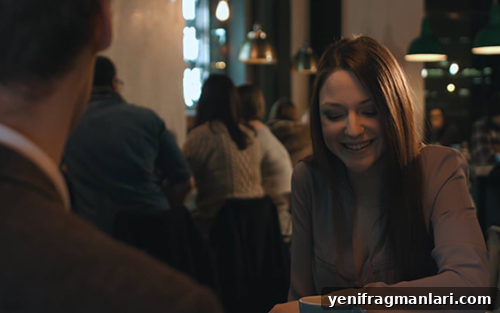
Fate (2016)
Director: Chris Hallas
Screenwriter: Chris Hallas
Starring: Tom Loone, Claire Marlein
Fate (2016), directed and written by Chris Hallas, is a concise, thoughtful short film that examines how technology and our culture of constant sharing shape contemporary relationships. The film crafts a cautionary tale that balances the tentative romance of modern connection with the darker consequences of obsession and surveillance. Through strong writing, focused performances, and purposeful cinematography, Fate turns a modest premise into an effective exploration of loneliness in the digital age.
One of the film’s greatest strengths is its dialogue. Rather than opting for tidy exposition, the screenplay favors the rough edges of real conversation—hesitation, contradiction, and pointed questions—to expose the opposing needs of its two central characters. This naturalistic approach allows the verbal exchanges to propel the story without feeling contrived. Tom Loone and Claire Marlein deliver grounded performances that make their characters feel lived-in; their interactions retain an everyday authenticity that heightens the emotional stakes. For a low-budget production, these portrayals are remarkably convincing and help sustain interest as the plot builds toward its reveal.
Director Hallas and his cinematographer use visual cues to foreshadow that reveal, guiding the audience’s suspicion rather than aiming for shock. Camera movement and editorial choices quietly suggest layers to the male lead’s motivations, so the twist functions more as confirmation than surprise. While that approach lends coherence to the storytelling, it also creates a tonal shift mid-film: the dialogue-driven intimacy of the opening gives way to a sequence that leans on mood and music. A melancholic acoustic track underscores the protagonist’s interior descent, a choice that softens the threatening elements of the narrative and at times invites sympathy for someone whose behavior is ultimately unhealthy and invasive.
That sequence, however, is also where Hallas’s visual sensibility is most confident. Small discoveries about the antagonist’s past with the heroine are revealed through deft camera work. At one key moment the camera slides to reveal a new angle on the character’s face, offering a visual equivalent of shifting perspective; it shows us a side of him we hadn’t fully considered. The timing and execution of these shots are precise, elevating the scene to a study in how framing and movement can communicate psychological nuance. The subsequent images—an austere living space drained of color, social media posts and message windows taking over the frame—effectively dramatize how the character’s world has narrowed to a single obsession. These choices make the film immersive, with every element contributing to its thematic core: how technology can both connect and suffocate.
Given its short runtime and compact production team of roughly twenty people, Fate achieves a surprising level of polish. Lighting choices are purposeful, the narrative structure is tight, camera decisions are often striking, and the naturalistic dialogue consistently grounds the film. There are uneven moments—the musical choices occasionally undercut the seriousness of the antagonist’s actions—but overall the piece feels thoughtfully constructed and technically assured.
The film’s decision to center much of the story on the wrongdoer is unconventional for a short, but it allows a focused character study that underscores the dangers of unchecked obsession and the fragility of privacy in our interconnected lives. Chris Hallas, along with actors Tom Loone and Claire Marlein, demonstrates both creative ambition and the ability to deliver compelling drama on a small scale. Their work here suggests promising potential for future projects.
Score: 15/24
The film was an official selection at the Cinematic Arts Film Festival in Los Angeles in 2016. The production was completed with a compact cast and crew of approximately 20 people.