
Little Women (1933)
Director: George Cukor
Screenwriters: Sarah Y. Mason, Victor Heerman
Starring: Katharine Hepburn, Joan Bennett, Paul Lukas, Edna May Oliver, Douglass Montgomery, Jean Parker, Frances Dee
Louisa May Alcott’s Little Women, originally published in two volumes in 1868 and 1869, has inspired numerous film adaptations over the past century. In 1933, George Cukor directed the first sound version, casting Katharine Hepburn as the headstrong Jo March. Cukor, who later became known for films such as The Philadelphia Story and Gaslight, offered a tender, sentimental take on Alcott’s novel—an approach that resonated with audiences enduring the Great Depression.
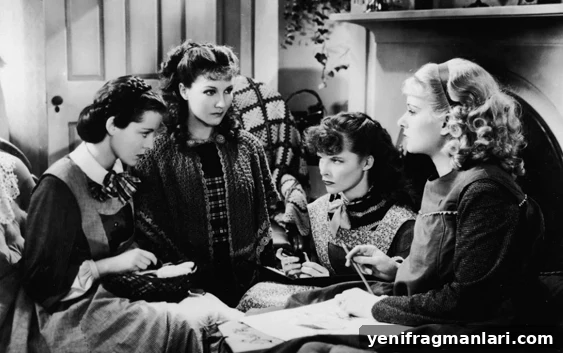
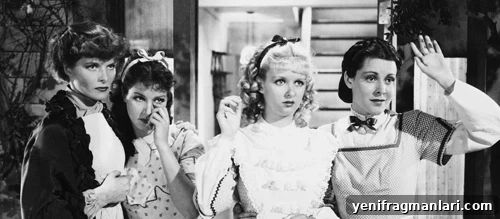
This adaptation emphasises family values, domestic warmth, and resilience. Set during and after the American Civil War, the story follows the four March sisters—Jo, Amy, Meg and Beth—while their father serves with the Union army. Left to care for the household and support their mother, affectionately called Marmee, each sister pursues her own hopes. Amy longs to develop as an artist, Meg dreams of marriage and a steady home, Beth cherishes quiet domestic life and music, and Jo aspires to travel and become a writer of exciting tales.
Cukor’s film trims and streamlines the novel, favoring scenes that highlight family togetherness and moral steadiness over extended social commentary or gritty detail. The Civil War is largely a distant backdrop rather than a central preoccupation, allowing viewers to focus on the sisters’ personal journeys and the comforting rhythms of home. That emphasis on reassurance and uncomplicated virtue fit the mood of Depression-era moviegoers who sought consolation and the promise that things could and would turn out all right.
The 1933 Little Women stands out among other adaptations by how it reshapes Alcott’s narrative for its moment in time. Later versions often emphasise Jo’s rebellion against restrictive social expectations or interrogate how women’s stories are told. By contrast, Cukor’s film softens conflict and presents most setbacks as temporary or ultimately acceptable lessons. This approach makes the film feel deliberately gentle: problems arise and are resolved quickly, and even loss is treated with a consoling calm.
As a result, the screenplay moves briskly through events, sometimes skimming details that later adaptations expanded. Major developments—such as Amy’s trip to Europe and her marriage to Laurie or Meg’s courtship and marriage—receive relatively little screen time. The film occasionally sacrifices depth for pace, which leaves some characters less nuanced and memorable than in the book or in subsequent versions.
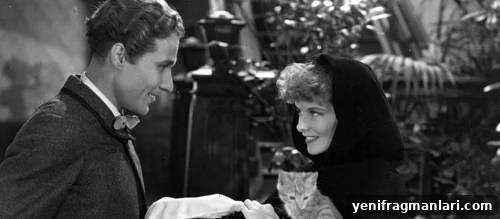
Katharine Hepburn’s Jo remains the emotional center of the film. Hepburn’s natural confidence and spirited presence align well with Jo’s independent streak, and she brings warmth and sincerity to the role. Her portrayal is subtler than the more outwardly defiant performances that would appear in later incarnations, but it still captures Jo’s intelligence and determination—if in a quieter register. Hepburn’s Jo accepts challenges with practical grace rather than overt rebellion, reflecting the film’s overall tone of steady optimism.
The production also reflects the era just before strict enforcement of the Motion Picture Production Code. Hollywood was reshaping its public image in response to scandals and increasing pressure from religious and civic groups, and films that emphasized wholesome values often found favor with audiences and censors alike. Little Women fits comfortably into that context: modest, moral, and unthreatening in its portrayal of family life.
Because the film keeps its emotional palette light, modern viewers searching for darker conflict or intense psychological nuance may find it lacking. The narrative seldom lingers on pain or moral complexity, and even significant events are often presented with a blanket of reassurance. Yet for viewers who appreciate gentle storytelling and the warmth of a closely knit family facing hardships with courage and affection, the 1933 Little Women offers a soothing, heartfelt experience.
Ultimately, this version of Little Women is a period piece both in setting and spirit: it adapts Alcott’s tale into a cinematic consolation suited to its own turbulent time. It may not probe every emotional depth of the novel, but it serves as a charming and comforting portrait of sisterhood, resilience and ordinary heroism.
Score: 20/24
Rating: 4 out of 5.