
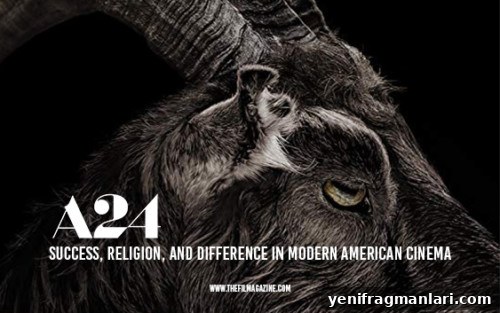
A24 and the Rise of Independent Horror Cinema
Independent films have become a prominent and influential segment of the American film industry, and within that realm, horror has emerged as a particularly potent and resonant genre. Independent horror often appeals to a niche audience and can develop strong, cult-like followings. Distributor and production company A24 has become synonymous with this trend, releasing a stream of distinctive horror films that have connected deeply with both viewers and critics. Titles such as The Witch (2015) and Hereditary (2018) have helped A24 cultivate devoted fans and a recognizable brand identity.
Founded in 2012, A24 is relatively young but has achieved notable cultural and critical success. While not every release became a blockbuster, several of their films have performed impressively at the box office and in awards circuits. Before Lady Bird (2017) reached mass-audience success in the United States, A24’s Moonlight (2016) had already demonstrated the company’s ability to support films with modest budgets that still deliver powerful emotional impact and surprise audiences by earning major recognition.
A24’s appeal lies in its commitment to cinema that feels distinct from mainstream Hollywood. Independent films often address real social issues and defy conventional aesthetic, thematic, and ideological norms. A24’s horror slate exemplifies this independence: its films embrace taboo subjects, unsettling atmospheres, and provocation without sacrificing narrative coherence or artistic intent. Hereditary, for example, signalled a shift in contemporary horror with its intense family drama, graphic and disturbing imagery, and pervasive sense of dread. Rather than simply chasing jump scares, A24’s horror tends to explore vulnerability, mortality, and the fragile nature of identity, inviting viewers to confront uncomfortable truths about themselves and society.
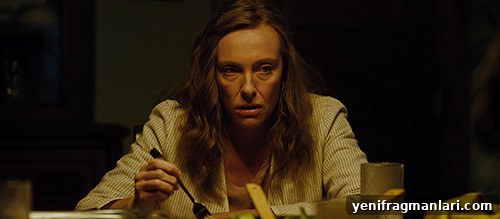
Hereditary illustrates several recurring concerns in A24’s work, particularly the exploration of difference within families. On the surface, the film depicts a middle-class American household, but beneath the surface the characters are emotionally distant and estranged. The recently deceased grandmother, whose personal struggles with mental health and secrecy ripple through the family, becomes a focal point for the film’s unsettling dynamics. The mother, consumed by grief and emotion, becomes both a sympathetic figure and an agent of the family’s unraveling. Through the lens of horror, the film examines how personal trauma, control, and secrecy can consume those closest to us.
Religion and cult-like devotion are also central to Hereditary’s narrative. The grandmother’s worship of Paimon—a powerful, manipulative spirit within the film—serves as a metaphor for blind or coercive faith. The film dramatizes how charismatic or ideological figures can prey on vulnerability, especially among young people, altering their beliefs and behavior. That manipulation mirrors broader social concerns about radicalization and peer pressure, and A24 uses horror to probe these sensitive subjects rather than resolve them with easy answers.
The theme of religion and social ostracism also features prominently in The Witch, which follows a New England family banished from a Puritan community. Their exile sets off a chain of supernatural events that ultimately tear the family apart. In this context, the film can be read as a meditation on the consequences of intolerance and exclusion: being cast out for religious difference exposes the family to forces that exploit their isolation and fear.
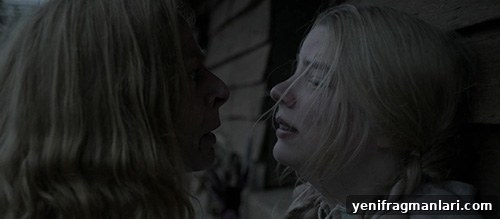
The Witch also interrogates the societal role of women, especially around motherhood and autonomy. The film’s eldest daughter, Thomasin, resists the religious and social constraints placed upon her and is punished for her independence. Her perceived disobedience is interpreted as evidence of devilry, and her family’s response is a painful example of how confident, defiant women are often silenced or demonized. Katherine, the mother, becomes increasingly unhinged by grief and hysteria; her breakdown culminates in a scene that transforms maternal imagery into something monstrous, reflecting anxieties around female power and the body. Ultimately, when Thomasin survives and claims agency—symbolized by her joining a coven—The Witch offers a stark portrayal of a woman’s struggle to reclaim autonomy in the face of patriarchal suppression.
At its core, cinema aims to evoke emotion, and for decades audiences have sought films that make them feel deeply. In recent years, big-budget franchises and familiar intellectual property have dominated Hollywood, but companies like A24 demonstrate that powerful emotional storytelling does not require massive budgets. Independent cinema continues to thrive by producing work that is thematically bold and artistically daring. A24’s horror films underscore that strong narratives and thoughtful filmmaking still connect with audiences, regardless of scale.
Independent distributors and filmmakers keep pushing boundaries—exploring taboo topics, questioning social norms, and delivering emotional experiences that linger. A24’s contributions to horror and indie cinema show how smaller companies can shape cultural conversation, offering viewers unsettling, thought-provoking films that remain relevant amid the noise of major studio releases and streaming platforms.