
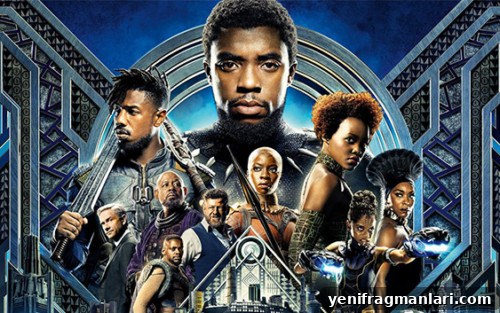
Marvel Studios’ Black Panther was one of the most significant cinematic releases in recent years, breaking ticket pre-sale records and earning widespread critical praise. As of February 18, 2018, the film held a 97% score on Rotten Tomatoes, the highest for any Marvel film at that time. The production brought together director and co-writer Ryan Coogler with acclaimed cinematographer Rachel Morrison—who made history as the first woman nominated for an Academy Award in cinematography for Mudbound (2018)—and reunited Coogler with Michael B. Jordan, who had collaborated with him on Fruitvale Station and Creed. Beyond its story and visuals, Black Panther contains numerous Easter eggs and production details that reveal the care taken to build Wakanda and its characters. Below are ten notable facts and behind-the-scenes insights you may not know about the film.
— Spoilers Ahead —
Bonus fact: The Black Panther comic book debuted more than two months before the origins of the real-world Black Panther movement.
10. No Avengers appear in the film
Unlike many entries in the Marvel Cinematic Universe, Black Panther keeps its story focused on Wakanda and its internal struggles. There are no cameo appearances by the Avengers, allowing the film to develop T’Challa, Wakandan politics, and the supporting cast without outside distraction. This approach helped the movie establish a distinct tone and cultural identity within the larger MCU.
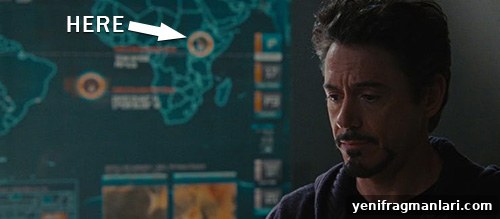
9. Wakanda first appeared on-screen in Iron Man 2
An early nod to Wakanda appears in Iron Man 2, demonstrating that Marvel had long-term plans to introduce T’Challa and his nation into the cinematic universe. That brief sighting suggests the world-building for Black Panther began years before the film’s release, laying groundwork that would later be expanded into a full feature.
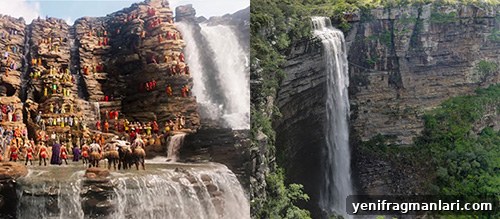
8. The Warrior Falls set used over 25,000 cubic feet of foam
To recreate the dramatic Warrior Falls location, production designers and the effects team built a massive set inspired by Oribi Gorge in South Africa. They used more than 25,000 cubic feet of foam to sculpt realistic rock formations and waterfalls, delivering a controlled, cinematic environment for the film’s ritual combat sequences.
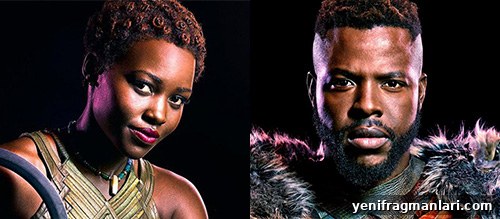
7. Nakia and M’Baku saw The Avengers (2012) together as students
The film includes a small, relatable detail: Nakia and M’Baku, two Wakandan characters, are established as having attended the same college and having gone to see The Avengers back in 2012. That little backstory connects Wakandan characters to global pop culture and adds a layer of lived-in realism to their relationship.
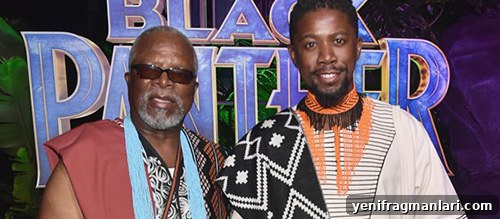
6. King T’Chaka is portrayed by both a father and son
The older and younger versions of King T’Chaka were played by John Kani and his son Atandwa Kani, respectively. This casting choice explains the strong resemblance between the two portrayals and underscores the film’s emphasis on family lineage and legacy within Wakandan royalty.
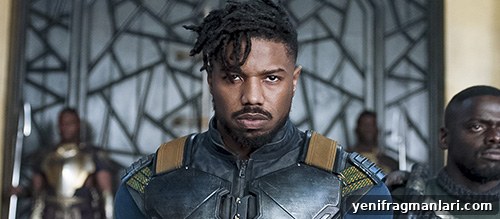
5. Michael B. Jordan is the second actor to play both The Human Torch and an MCU character
Michael B. Jordan follows Chris Evans in being an actor who has portrayed the Human Torch (in earlier Fantastic Four adaptations) and also played a character within the Marvel Cinematic Universe. Jordan’s role as Erik Killmonger added a layered, compelling antagonist to the MCU’s roster.
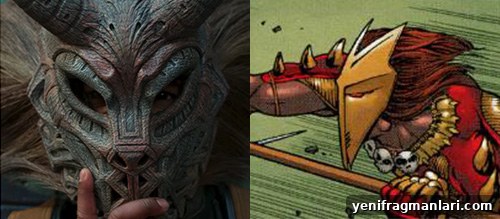
4. The mask Killmonger takes from the museum mirrors his comic-book counterpart
The mask that Erik Killmonger steals during the London museum sequence is faithful to the original comic-book design. This detail highlights the filmmakers’ commitment to honoring source material while integrating it into a modern cinematic narrative.
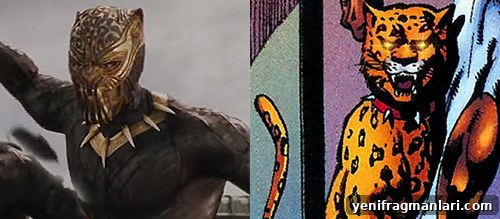
3. Killmonger’s Panther mask includes spots as a tribute to his comic-book leopard, Preyy
In the comics, Killmonger had a pet leopard named Preyy. The film’s design team incorporated subtle spotted patterns into Killmonger’s Panther mask as a nod to that comic-book detail, blending character history into the visual design of his costume.
2. The post-credits scene hints at Bucky Barnes becoming the “White Wolf”
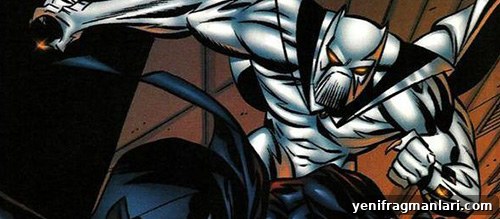
In the film’s post-credits sequence, Wakandan children call Bucky Barnes the “White Wolf.” In the comics, White Wolf is an adopted brother of T’Challa and a leader within Wakanda’s intelligence circles. This audio cue suggests possible future directions for Barnes’ role within Wakandan society and the wider MCU.
1. Wakanda’s spoken language in the film is Xhosa
To root Wakanda in authentic African culture, the filmmakers used Xhosa—an official language of South Africa—as the primary spoken language for many of the Wakandan characters. This choice reinforced the film’s commitment to cultural specificity and contributed to the immersive world-building that helped make Black Panther resonate with audiences worldwide.
What did you think of Black Panther? Are there other Easter eggs or production facts you noticed? Share your thoughts in the comments below.