
#skoden: The Human Behind the Meme | Interview with Director Damien Eagle Bear
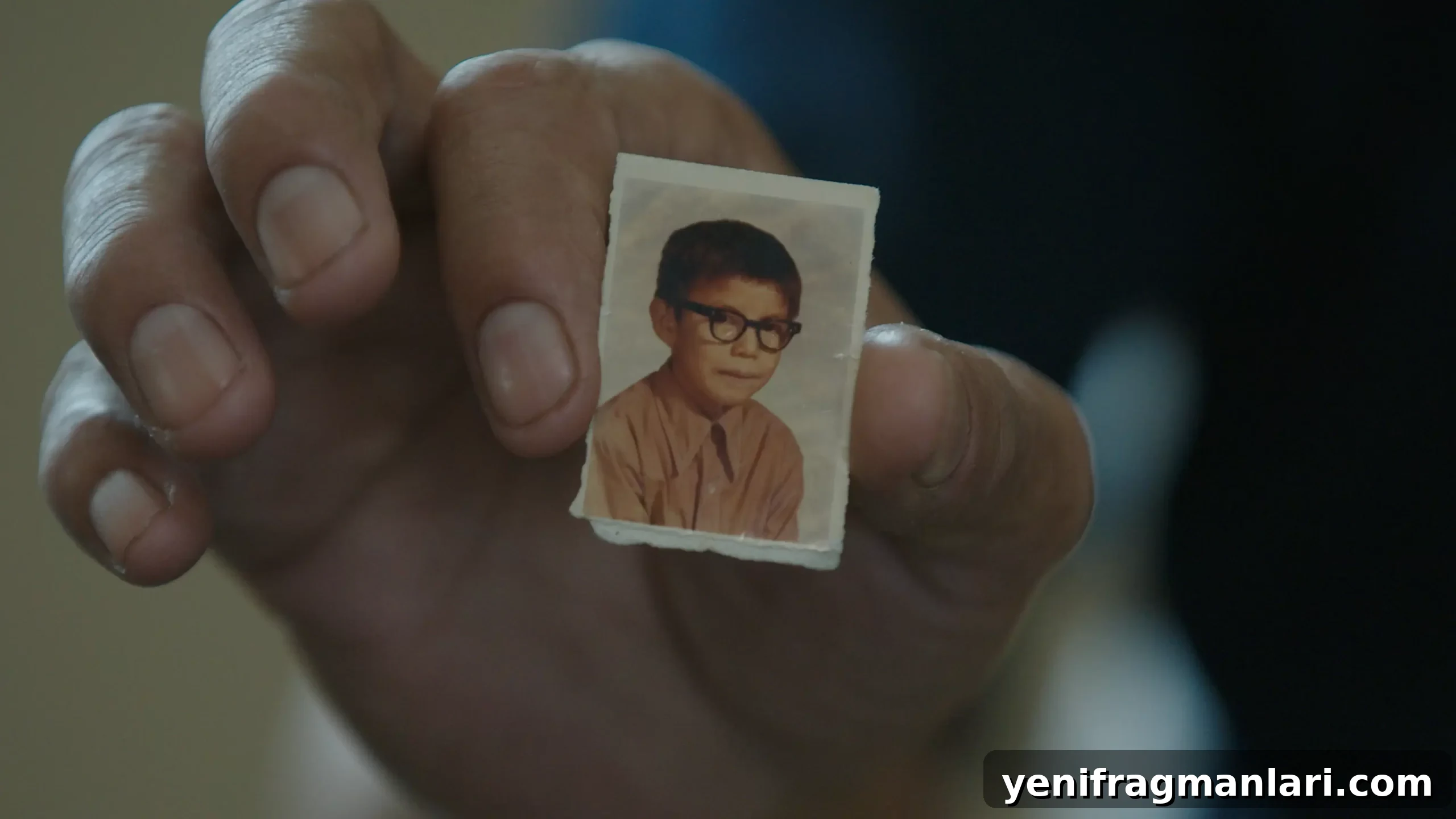
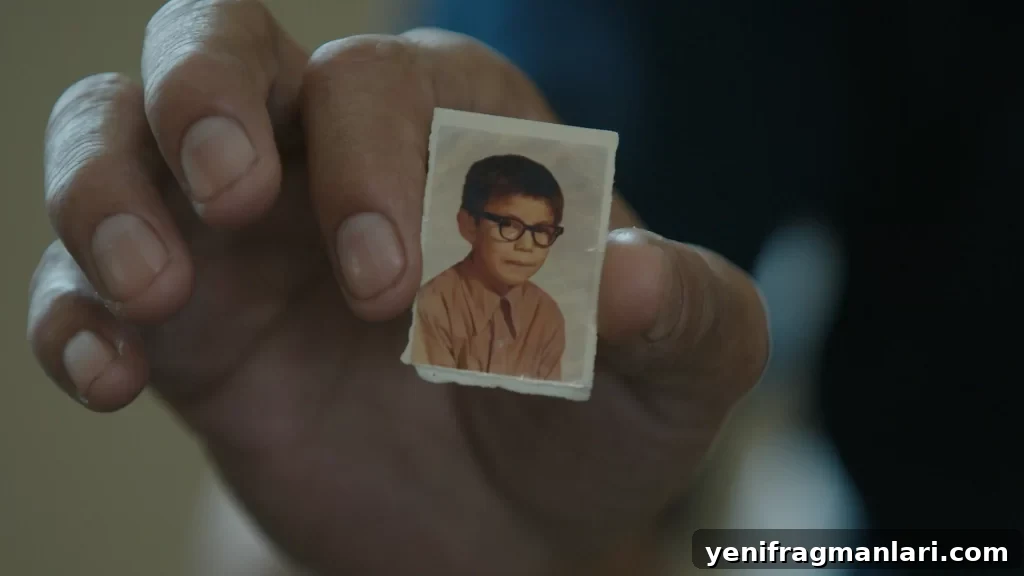
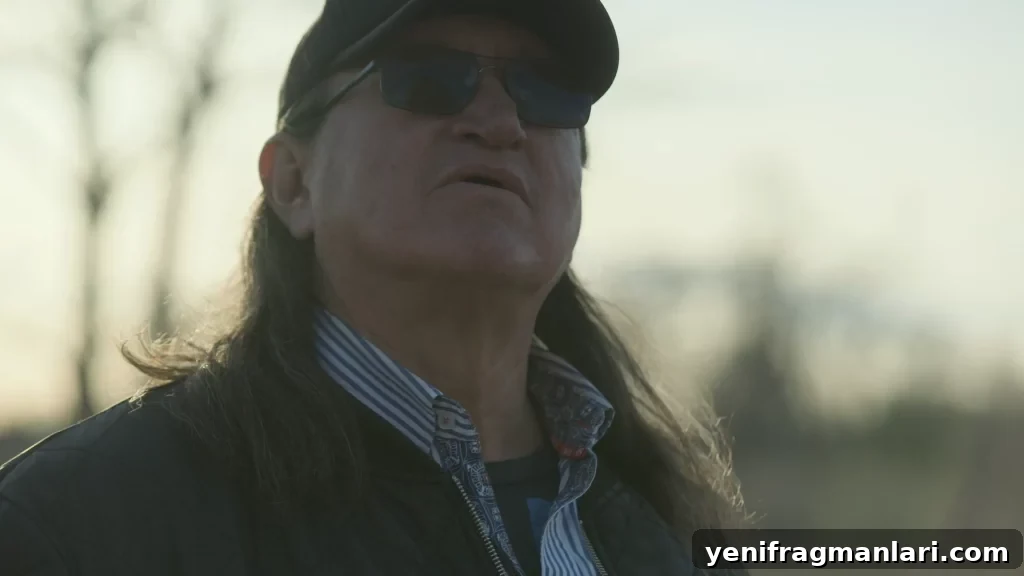
I spoke with Blackfoot filmmaker Damien Eagle Bear over Zoom, shortly before the 2025 imagineNATIVE Film Festival, about his feature documentary #skoden. Filmed in Lethbridge and on the Blood Reserve—traditional Blackfoot Territory—the film premiered at Hot Docs where Eagle Bear received the Earl A. Glick Emerging Canadian Filmmaker Award. #skoden peels back the layers of an internet meme to reveal the life of Pernell Bad Arm. Rather than preaching, Eagle Bear focused on showing Pernell as he was: a Blackfoot man, a neighbor, a human being whose story was reduced for laughs online.
On Pernell Bad Arm and the Importance of Storytelling
Adam Manery: Some of the footage in the film dates back to 2009, when you began a different project in Lethbridge that you ultimately abandoned because it lacked a story. What makes a story for you, and why does storytelling matter?
Damien Eagle Bear: In that earlier project I was focused on gathering facts. I believed documentaries were mainly fact-driven. Facts matter, but what draws people in is the human element. We tell stories to connect, to understand, to empathize. The most compelling stories are those that let us see life through another person’s eyes.
AM: Why Pernell’s story specifically?
DEB: As a Blackfoot filmmaker, I felt a responsibility. Over years of developing my craft, I reached a point where someone asked if I had a film to make. Opportunities like that don’t come often. Pernell’s image had been widely misused and misunderstood. I knew his life and saw an obligation to tell it with dignity and context.
On Indigenous Humour and the Rise of the Digital Era
AM: People often note Pernell’s sense of humour. Is humour intrinsic to Indigenous identity, or is it more a product of lived experience?
DEB: There’s an old adage for comedy: pain plus time equals comedy. Indigenous communities carry historical trauma, and humour often becomes a way to survive, to heal, and to connect. I’ll admit I’m not the funniest Blackfoot person I know—many of my friends are quicker with jokes—but humour is a powerful, resilient force rooted in experience.
AM: The film’s first half examines meme culture and viral content. Indigenous voices have grown on platforms like #NativeTikTok. What is your relationship to this digitized Indigenous culture?
DEB: I’m part of a circle that shares TikToks and memes constantly. During the pandemic we saw a big surge in Indigenous meme accounts and creators. I belonged to that early wave moving onto social media—Facebook, MySpace—trying to figure out how to share stories online. Over time Indigenous creators worldwide began to connect and trade jokes, moments, and perspectives.
AM: Has internet culture been a positive force? Do non-Indigenous audiences engage with Indigenous social media content?
DEB: From what I’ve seen, non-Indigenous engagement is limited; much of the audience tends to be relatives, friends, or people with contextual awareness of what’s appropriate. That’s kept things mostly positive. Making a film about social media forced me to learn how to protect myself from the negative sides of platforms like Facebook while still documenting how these spaces shape identity and representation.
On the Disconnect Between Policy and the People
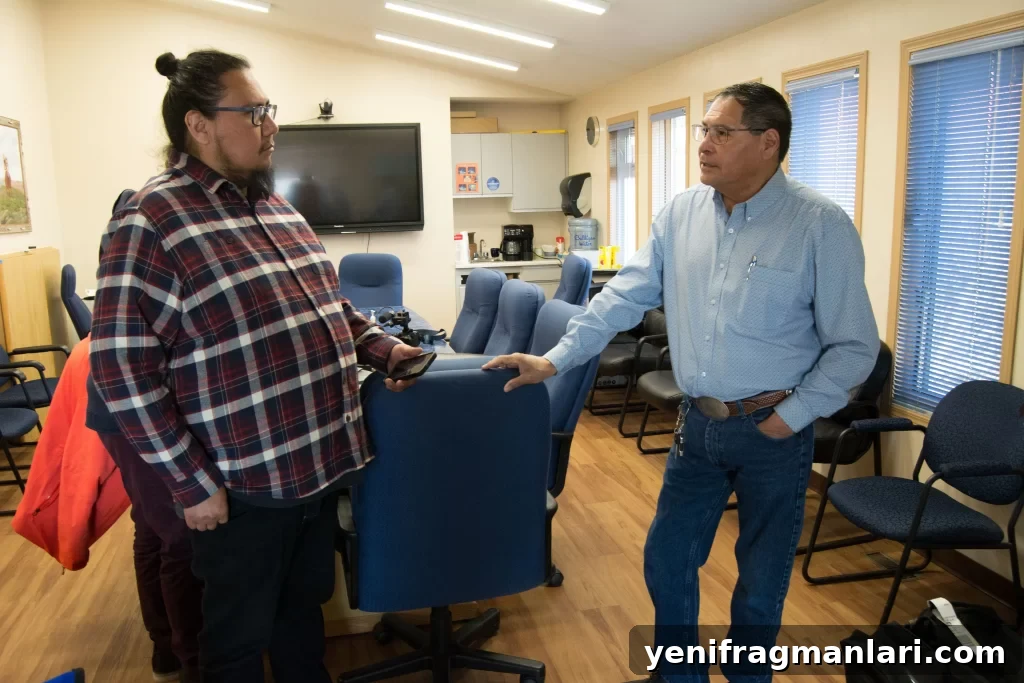
AM: As someone from Lethbridge, I’ve seen a gap between what policymakers do and what communities say they need. Why is there such a disconnect?
DEB: It’s a big issue rooted in how society values people. Too often we’re treated like cogs in a capitalist machine—our worth measured by productivity and economic cost. When problems are assessed through dollar signs first, human needs are sidelined. Real solutions require a human-first approach, but many decisions remain focused on budgets and metrics instead of dignity and care.
On the Creative Visual Choices in #skoden
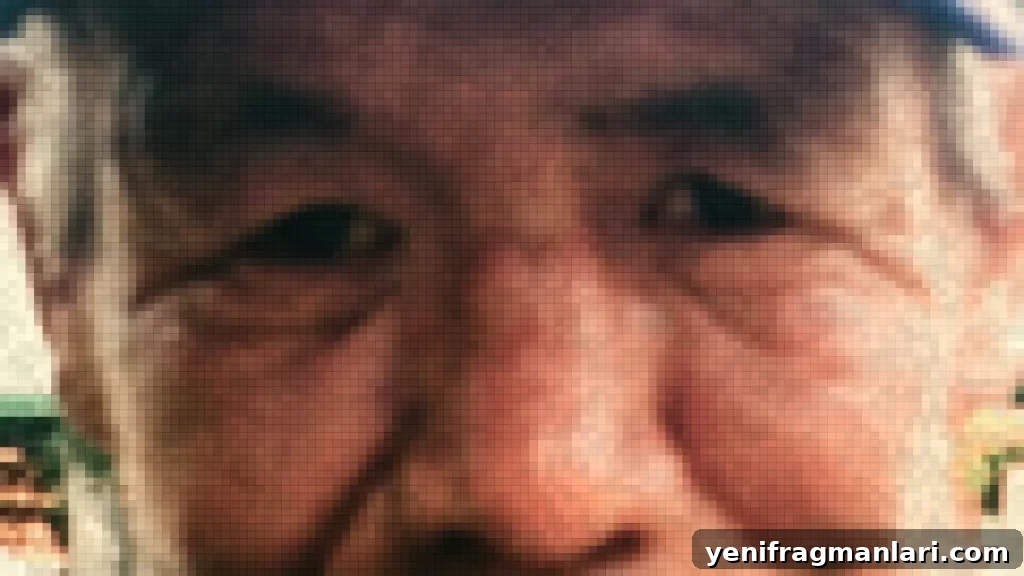
AM: The film mixes traditional documentary techniques—interviews and landscape shots—with experimental visuals like extreme close-ups and subtle pixelation. Were those choices meant to mirror digital culture?
DEB: Yes. I wanted the audience to feel tension and constriction, so close-up details were used deliberately to create anxiety. The film is Pernell’s story, but it’s also about how internet culture bears down on someone. I experimented with different approaches—recorded screens, recreated interfaces, varied styles—to reflect how our relationship with screens has evolved. I didn’t want one uniform aesthetic; I wanted the visuals to trace that shift and to unsettle the viewer in ways that echo online scrutiny.
On imagineNATIVE and Remembering Pernell Bad Arm
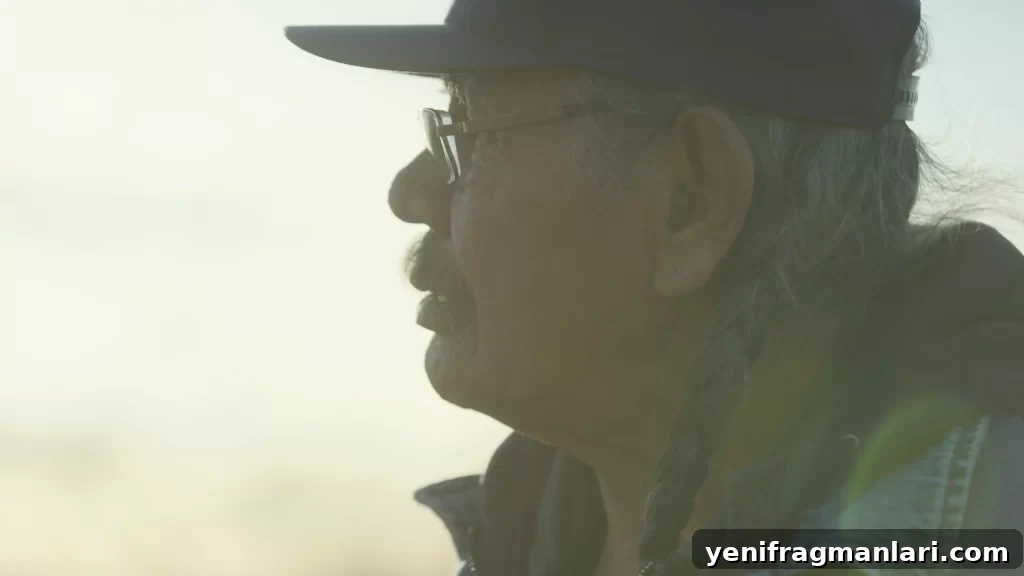
AM: The film has already screened at Hot Docs and is playing at imagineNATIVE. What does being shown at a festival focused on Indigenous storytelling mean to you?
DEB: It means a great deal. imagineNATIVE has long been a destination for Indigenous filmmakers. When I first attended in 2018 I was inspired by the range of films and voices coming together. Screening there feels like coming home: sharing work among peers, centering Indigenous perspectives, and being part of conversations that matter to our communities.
AM: When people hear Pernell Bad Arm’s name, what do you hope they remember?
DEB: I want them to see a human—a kind person deserving of empathy and respect. To understand why Pernell carried the persona he did, and to consider how broader society treats people like him. I hope the film invites compassion, not ridicule.
Clip from #skoden | “The Word”
More on Director Damien Eagle Bear
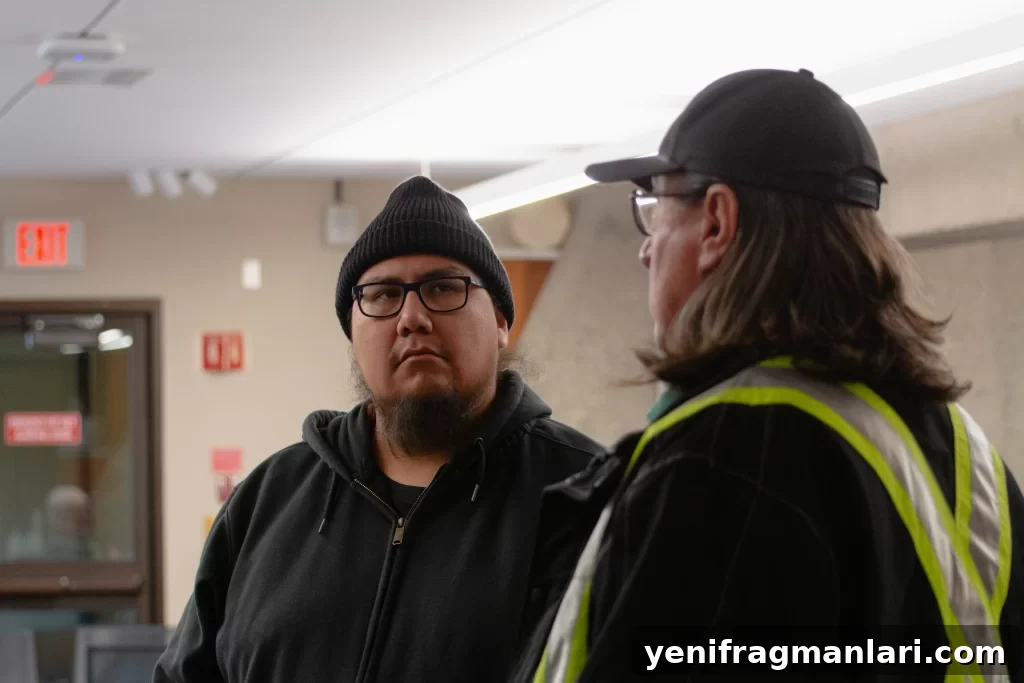
#skoden Filmmaker Damien Eagle Bear with Mark Brave Rock | Photo credit: Arnell Tailfeathers
Director’s Statement
“Pernell’s story is more than a meme; he was a person worthy of dignity and respect. That belief guided #skoden. My aim was to reclaim his narrative and explore the life behind that photograph. I’m grateful to TELUS originals for supporting this project so it could be told with the care and depth it deserves.” — Damien Eagle Bear, Director/Producer/Writer
About Damien Eagle Bear
Niitsitapi and a member of the Kainai First Nation, Damien Eagle Bear is a filmmaker whose work examines belonging and Indigenous resilience. Early in his career he made the experimental short documentary Napi, which premiered at the American Indian Film Festival in 2012. He then worked as a videographer and producer, developing shorts such as Big Momma and q’sapi times, both of which screened at the Vancouver International Film Festival in 2019. He later created the six-part horror-comedy web series The Bannocking, which was selected for Telefilm’s Talent to Watch Program and released on CBC Gem. Damien is an alumnus of Capilano University’s Cinematography and Indigenous Filmmaking Programs and has screened work at festivals including imagineNATIVE, VIFF, and LA Skins.
Read More:
- Interviews
- Film Reviews