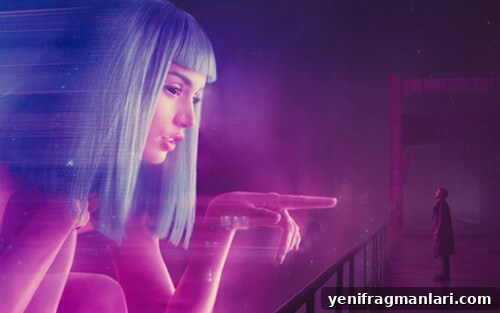
The word “cyberpunk” gets used a lot these days, often reduced to images of neon-lit streets, massive holographic ads and a lone, brooding antihero. But cyberpunk is a richer, more provocative movement in both literature and film. This article traces cyberpunk’s origins, its defining themes and motifs, and how it became a major influence on modern cinema. My aim is to move beyond surface aesthetics—green hair, rain-soaked alleys—and show how cyberpunk asks urgent questions about identity, technology and society.
The History Lesson
The Origins
In the late 1970s and early 1980s, mainstream science fiction was dominated by space operas and big-budget, interstellar adventures. Filmmakers and publishers were increasingly focused on spectacle. A group of writers—William Gibson, Bruce Sterling, Pat Cadigan, Lewis Shiner and others—reacted by turning their attention inward and to the near future. Rather than distant planets, they wrote about cities, corporations and the intimate effects of rapidly advancing technology on everyday life.
These authors explored how technology reshapes identity, perception and social power. They asked: when memory, perception and even the body can be altered, what remains of the human self? They dramatized the rise of multinational corporations, the cultural influence of Asia on the West, and the ways advanced tech intensifies inequality. Instead of starships, their protagonists live and struggle on the streets—“high tech, low life” in practice.
These ideas did not emerge from nowhere. Questions about the boundary between human and machine go back to Mary Shelley’s Frankenstein. Fritz Lang’s 1927 film Metropolis also prefigures cyberpunk: the machine Maria, who takes a human face, already mixes humanity and technology in a way that would resonate with later writers and filmmakers.
Philip K. Dick is another major precursor. His novels and short fiction repeatedly probe reality and identity, asking whether machines or altered minds deserve the same moral consideration as natural-born humans. Ridley Scott’s film Blade Runner—adapted from Dick’s Do Androids Dream of Electric Sheep?—crystallized many of these concerns on screen: the neon-lit urban sprawl, the blurring of human and artificial life, and the ethical questions posed by manufactured beings.

Cyberpunk’s Sprawl
William Gibson’s 1984 novel Neuromancer brought many of those strands together and helped define modern cyberpunk. Featuring a washed-up hacker named Case and an immersive, networked “cyberspace,” Neuromancer introduced language and imagery that shaped the genre for decades. Gibson’s blend of gritty urban detail, corporate power, and virtual worlds established a template that other writers extended in different directions.
Following Neuromancer, authors such as Bruce Sterling, Pat Cadigan, Rudy Rucker and Neal Stephenson expanded cyberpunk’s range—addressing virtual reality, biotech, the politics of information, and the social impacts of pervasive computing. At the same time, cyberpunk began influencing cinema and animation. Japanese works like Akira and Ghost in the Shell, and stranger entries such as Tetsuo: The Iron Man, brought cyberpunk themes to vivid, often disturbing life on screen, merging body horror, urban decay and technological metamorphosis.
Filmmakers beyond Japan and the United States also incorporated cyberpunk ideas. David Cronenberg’s body-horror-inflected films, for example, explore how media and technology can invade the body and mind. Other mainstream films borrowed cyberpunk’s visuals and questions about memory, identity and artificial life—examples include Total Recall, Robocop and The Terminator, all of which probe the consequences of augmenting or replacing the human with machine-driven systems.
The Matrix Revolution
When The Matrix arrived in 1999, it synthesized many cyberpunk influences—virtual reality, philosophical allegory, noir mood, and kinetic action—into a popular mainstream blockbuster. The Wachowskis gathered elements from previous works and repackaged them with a fresh style and mass appeal, pushing cyberpunk aesthetics back into the cultural spotlight. After The Matrix, filmmakers felt freer to experiment with layered realities and high-concept sci-fi on a commercial scale, and cyberpunk aesthetics spread into video games, television and subsequent films.
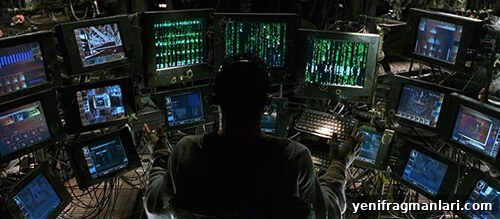
In recent years, cyberpunk themes have continued to surface across media—anime series, adaptations of classic novels, and visually ambitious films. Works like Blade Runner 2049 and streaming adaptations of cyberpunk novels demonstrate that the genre’s questions—about consciousness, memory and power—remain resonant.
The Academia
People often sum up cyberpunk with the phrase “high tech, low life,” but the genre is more than a set of surface tropes. A clearer way to think about cyberpunk is to focus on its central philosophical tension: what happens when technology progressively replaces or reshapes elements of human existence—body parts, perception, memory, even emotions? At what point, if any, does that person stop being “human”?
Metropolis, R.U.R., Blade Runner and many cyberpunk texts dramatize this dilemma. They depict machines or engineered beings that look and act like humans but are denied the status and dignity of natural persons. Conversely, films like Terminator 2 show machines learning empathy and care, forcing us to reconsider rigid distinctions between human and artificial life.
Virtual reality raises related questions. When immersive simulations provide experiences indistinguishable from “real life,” which world becomes meaningful? The Matrix famously asks whether a simulated world could feel more real than the one it replaces. Contemporary stories—from Snow Crash and Ready Player One to modern anime—continue to explore how virtual environments alter identity, relationships and political power.
Cyberpunk texts often examine social consequences too: corporate dominance, surveillance, economic inequality and cultural displacement. They warn that technological advancement, left unchecked, can erode privacy, agency and shared public life. As scholar commentary on films like Robocop suggests, a key fear is the erosion or erasure of human identity under advanced technological conditions.
There is no single, definitive account of cyberpunk. The movement has evolved, mixed with other genres and influenced a wide range of media. Still, its core remains provocative: a persistent inquiry into what it means to be human in an age when our bodies, minds and societies are increasingly technologized. As technology continues to reshape daily life, cyberpunk’s themes will likely remain urgent and relevant—encouraging both creators and audiences to look beyond neon aesthetics and engage with fundamental ethical and philosophical questions.
Support other platforms the author contributes to:
HorrorAddicts.net
Horror Reviews by the Collective