
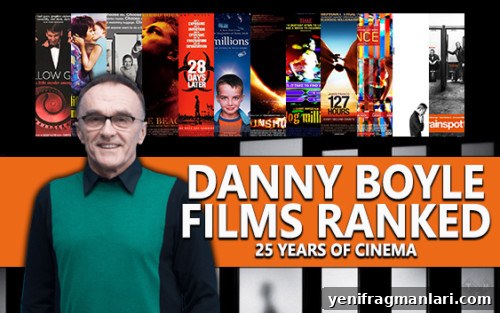
This article was updated to include Yesterday (2019) on 24th September 2019.
English director Danny Boyle has been a defining presence in British and international cinema for nearly three decades. Since his breakthrough with Shallow Grave in 1994, Boyle has moved confidently between independent films and mainstream projects, maintaining a distinctive visual style and delivering moments of genuine cinematic brilliance across a varied career.
The Oscar-winning director from Radcliffe, Greater Manchester, had released 13 feature films by 2019. His filmography spans gritty cult classics like Trainspotting, daring genre work such as 28 Days Later…, intimate character pieces like Steve Jobs, and imaginative family films. He’s also directed theatrical productions and famously oversaw the London 2012 Olympic Games opening ceremony.
With a body of work that includes era-defining hits, genre reinventions and awards-season successes, now is an apt moment to rank Boyle’s films from least to most accomplished in this edition of Danny Boyle films ranked.
Have an opinion? Leave a comment!
13. A Life Less Ordinary (1997)
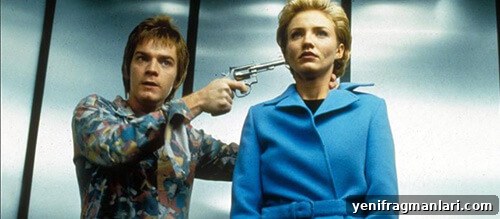
Boyle has called A Life Less Ordinary “the time I tried to make a Hollywood movie and it didn’t work out,” and the result feels precisely that: an earnest experiment that never entirely finds its footing. Starring Cameron Diaz and Ewan McGregor, the film attempts a whimsical fantasy about angels on Earth testing human love. Critics found it tonally inconsistent and contrived, and while it includes flashes of Boyle’s visual energy, it lacks the sharper voice and cultural specificity of his best British work. As a curiosity in his catalogue, it lands at the bottom of this ranking.
12. Trance (2013)

Always eager to take unexpected creative turns, Boyle followed the acclaimed 2012 Olympics ceremony with the divisive Trance, a hybrid heist-psychological thriller. Mixing dreamlike sequences and unreliable memory with a central therapist figure, the film is polarizing: some viewers are drawn in by its stylish sleight-of-hand, while others find it unsteady on closer inspection. Though it displays moments of Boyle’s visual ingenuity, Trance ultimately feels less cohesive than many of his more memorable projects.
11. The Beach (2000)

With Leonardo DiCaprio in the lead, The Beach aimed to capture a generation’s restless search for paradise but was initially met with critical skepticism. Boyle originally intended to cast Ewan McGregor, and the casting choice contributed to a long-running professional rift. Though the film’s glossy, millennial aesthetic hasn’t aged perfectly, subsequent reassessments have found more depth in its portrayal of isolation and disillusionment. Still, compared to Boyle’s most enduring works, The Beach remains one of his less celebrated films.
10. Yesterday (2019)

Yesterday — Review
Director Danny Boyle tackling a nostalgia-driven rom-com written by Richard Curtis—whose credits include crowd-pleasing holiday and romantic comedies—was an unlikely pairing, yet Yesterday proved amiable and watchable. Inspired by the music and cultural legacy of The Beatles, the film isn’t groundbreaking, but it offers several warm moments and a crowd-pleasing premise: a world where only one man remembers The Beatles. It plays like a pleasant diversion rather than a personal project, and for many viewers it delivered the light, uplifting entertainment it set out to be.
9. 127 Hours (2010)

Nominated for multiple Academy Awards, 127 Hours dramatizes the true story of Aron Ralston, a climber trapped alone and forced into extreme survival measures. Boyle’s daring visual choices—frequent use of subjective footage and inventive sound design—heighten the film’s claustrophobic intensity. James Franco’s committed performance anchors the movie, and Boyle’s stylistic risks make it compelling even if some viewers find its conceits self-conscious. It remains a striking, if imperfect, entry in his filmography.
8. Millions (2004)

Adapted from Frank Cottrell Boyce’s novel, Millions is a tender, whimsical story about a child who finds a fortune in cash just before Britain’s currency transition to the euro. The film showcases Boyle’s lighter touch, marrying sentimental storytelling with playful visual flourishes and inventive camera work. Positioned between darker entries like 28 Days Later… and Sunshine, Millions demonstrates Boyle’s versatility and his ability to retain a unique cinematic voice across genres.
7. Slumdog Millionaire (2008)
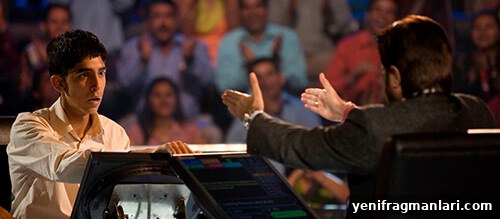
Slumdog Millionaire stands as Boyle’s most widely celebrated film. Shot with kinetic energy and combining Western storytelling with Bollywood exuberance, it won multiple Academy Awards and introduced global audiences to the director’s capacity for merging gritty realism with exuberant spectacle. While some critics wished for deeper thematic exploration, the film’s emotional immediacy, vivid sense of place and memorable soundtrack made it a cultural phenomenon and a career high point for Boyle.
6. T2 Trainspotting (2017)

T2 Trainspotting — Review
Arriving two decades after the original, T2 Trainspotting is a rare sequel that treats nostalgia as the subject rather than a selling point. Faithful in tone and style, the film reflects on aging, regret and memory while revisiting the original’s music-driven monologues and frenetic visual language. Some critics argued it didn’t reinvent itself enough to justify the long wait, but many praised its emotional honesty and the way it recontextualises the characters with poignancy and wit. As both a companion piece and a meditation on time, it is one of Boyle’s most resonant films.
5. Steve Jobs (2015)
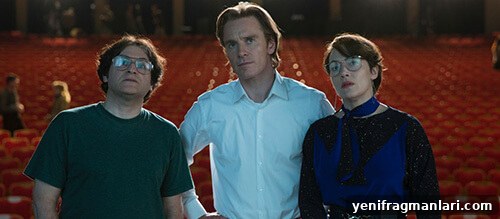
Rather than the conventional tech biopic, Steve Jobs is structured around three backstage acts, offering an intimate, theatrical portrait of its subject. Boyle’s restless visual approach, combined with Aaron Sorkin’s razor-sharp screenplay, results in a film that feels immediate and intense. Performances by Michael Fassbender and Kate Winslet drew awards attention, and the movie stands out in Boyle’s output as a precise, character-driven study of ambition, ego and creative conflict.
4. 28 Days Later… (2002)
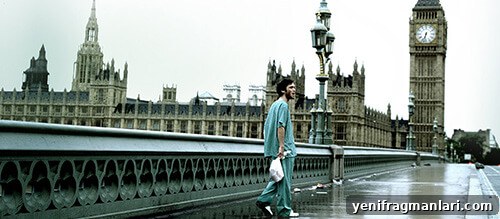
Reimagining the infection-driven horror movie for the 21st century, 28 Days Later… introduced a lean, urgent style and the terrifying concept of fast-moving infected humans. Featuring Cillian Murphy as a man waking into an abandoned London, the film’s raw cinematography, experimental framing and immersive sound design helped redefine modern zombie and contagion cinema. Its influence on genre filmmaking is substantial, and it remains one of Boyle’s most influential and powerful works.
3. Shallow Grave (1994)

Danny Boyle’s feature debut, Shallow Grave, announced an original and confident new voice in British cinema. Starring Ewan McGregor and Christopher Eccleston and written by John Hodge, the film blends dark humor with Hitchcockian tension and moral ambiguity. Though more traditional in its visual techniques than his later experiments, the debut’s sharp plotting, memorable characters and unsettling atmosphere helped establish Boyle’s reputation and remain a high point in his early career.
2. Sunshine (2007)
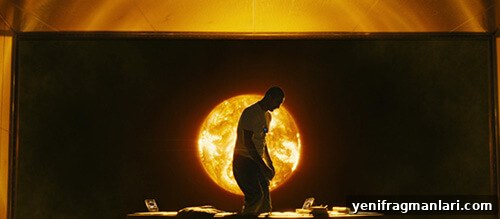
With Sunshine, Boyle tackled science fiction, producing a visually arresting and thematically ambitious exploration of isolation, sacrifice and human fallibility during long-duration space travel. The film’s ensemble cast—featuring Cillian Murphy, Chris Evans, Rose Byrne and others—serves a story that combines plausible technical detail with metaphorical intensity. Its bold narrative turns divide audiences, but the film’s aesthetic power and emotional stakes make it one of Boyle’s most complete and daring achievements.
1. Trainspotting (1997)
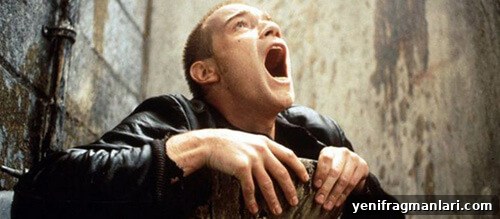
‘Trainspotting’ at 25 — Review
No single film better captures Danny Boyle’s impact on contemporary culture than Trainspotting. Set in late-1980s Edinburgh, the film confronted drug culture, alienation and youth disenchantment with an electrifying combination of style, soundtrack and visceral imagery. Its quotable lines, bold visuals and moral urgency made it a cultural touchstone and introduced a wider audience to Boyle’s kinetic filmmaking. For many, it remains the definitive entry through which to understand his creative vision.
Danny Boyle has been central to British cinema for decades, moving between daring genre experiments and crowd-pleasing features while maintaining a distinctive cinematic voice. From intimate debuts to widescreen spectacles, his filmography rewards repeated viewing and debate. Which Danny Boyle film stands out most to you? Share your thoughts and favourite titles in the comments below.