
DARK MATCH: A Canadian Wrestling Thriller Bound for Cult Status
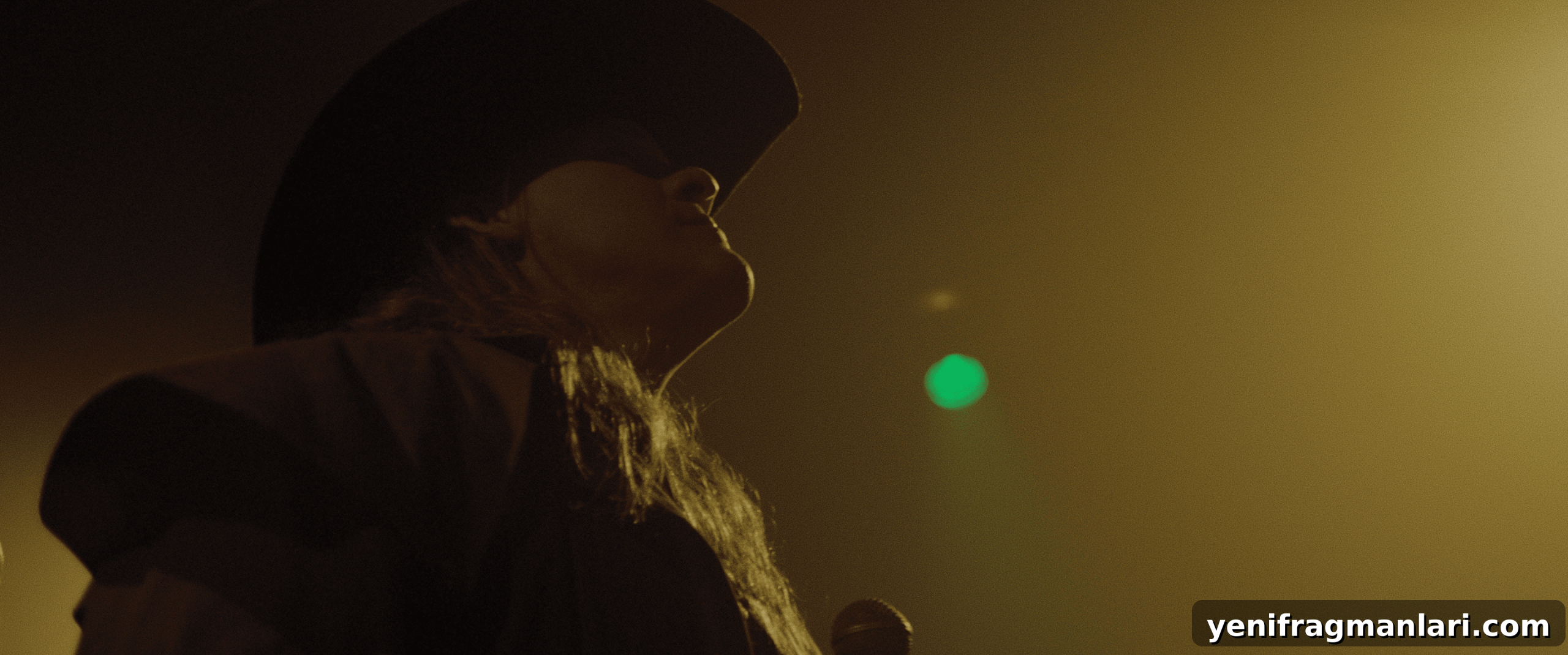
Adam Manery | Dark Match Film | Dark Match is the latest film from WolfCop director Lowell Dean. It delivers the genre-mixing energy fans expect from Dean: a blend of horror, wrestling thriller, and an unexpected, earnest romance. The film isn’t flawless — a few emotional or tonal beats don’t fully land — but it remains a bold, entertaining piece of indie filmmaking. Wrestling fans and viewers who enjoy risk-taking genre movies should find plenty to love, and Dark Match already feels like the kind of film likely to develop a devoted following over time.
I spoke with Lowell Dean about making Dark Match. He discussed casting (including former WWE star Chris Jericho), how a childhood mishearing of Dolly Parton’s “Jolene” inspired a wrestler’s name, and his collaboration with Edmonton studio Dept. 9. The following is an edited version of that conversation.
What is Dark Match About? | The Cast of Dark Match
Adam Manery: Dark Match is so many things — wrestling movie, horror, even romance. How do you describe it?
Lowell Dean: It’s a stew of tones and genres. I tend to call it a thriller because that term covers the tension and range of emotions — the scares, the humour, the heart, and the relationships. There are horror moments, but the story also focuses on love, friendship, and human stakes. Thriller felt like the right umbrella for all of that.
Adam Manery: The cast mixes actors and wrestlers, including Ayisha Issa and Chris Jericho. How did you assemble such a group?
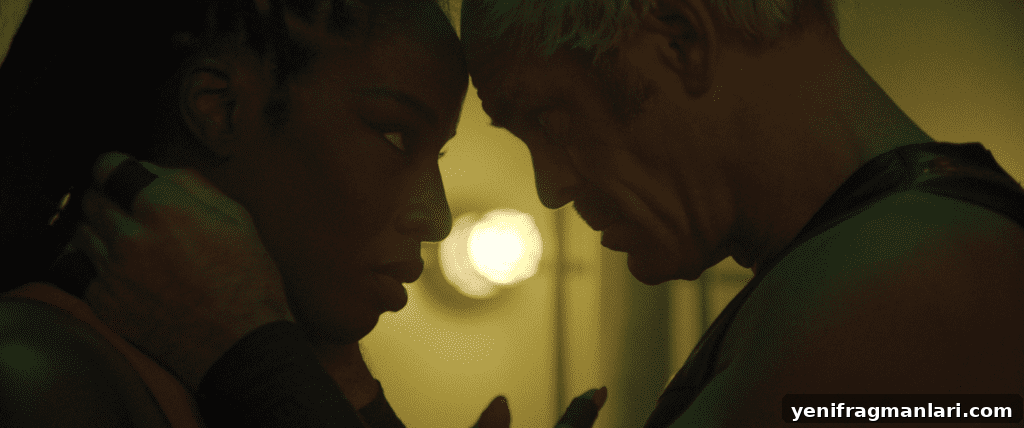
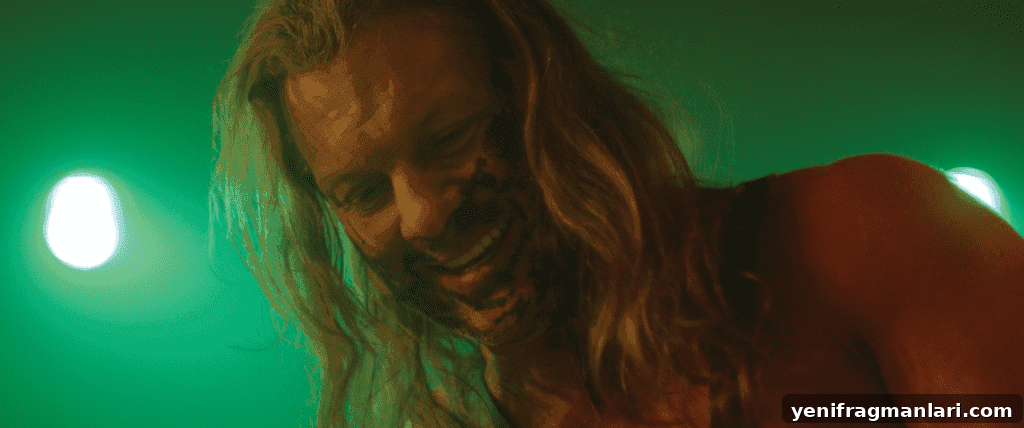
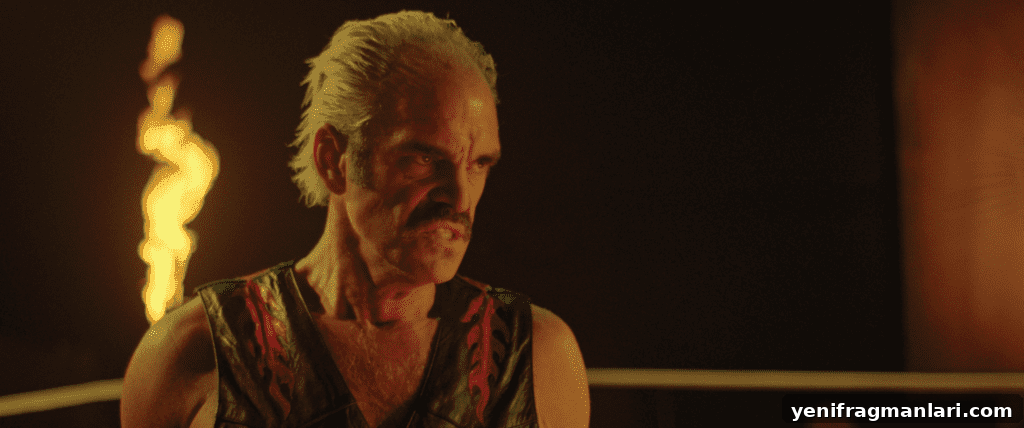
Lowell Dean: Casting involved deciding which parts required trained actors, which needed real wrestlers, and which could be hybrids. We mapped everything out on a whiteboard. Ayisha Issa as Miss Behave anchors the film — she needed both acting chops and physicality. Sara Canning fit the powerful actor role for Kate the Great. Steven Ogg brought the mix of presence and menace to Mean Joe. Mo Adan as Enigma works because he brings ring credibility and a mysterious presence. We knew we also wanted a marquee wrestling name, and Chris Jericho loved playing a world-weary villain. He brought the perfect subtext and commitment to the role.
Female Lead and Creative Wrestler Names
Adam Manery: Wrestling has historically been male dominated. Dark Match centers a female lead — was that always the plan?
Lowell Dean: Not originally. My first draft made Mean Joe the protagonist and Miss Behave a supporting love interest. After a read-through with trusted friends, everyone said Miss Behave was the more interesting, emotionally engaging character. She’s the one who sees trouble, warns others, and is dismissed — which makes her arc and perspective a stronger, more compelling focus. Rewriting the script to follow her made the film much better.
Adam Manery: The film has a lot of delightful, silly wrestling names. Any you scrapped?
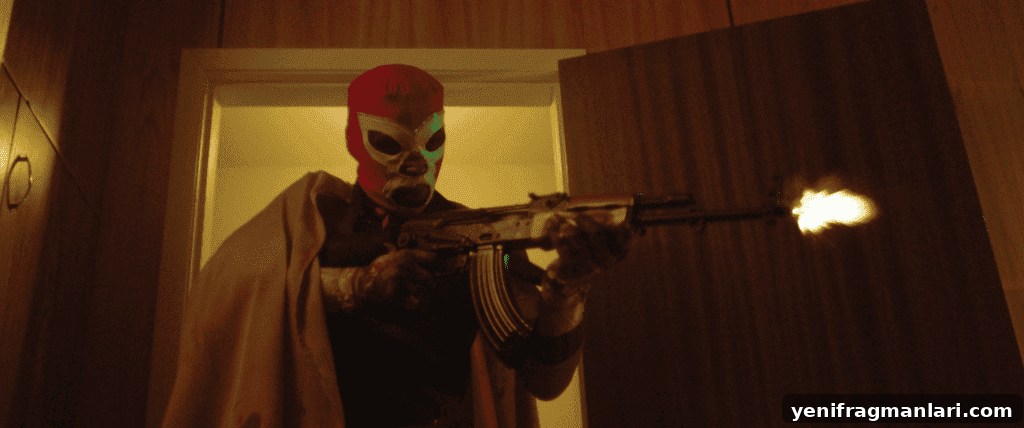
Lowell Dean: I don’t recall many that didn’t make it. I expected someone to have me change the ridiculous names, but they stayed. I’m glad we included Lazarus Smashley — it’s gloriously absurd and fitting for the exaggerated world of wrestling. Enigma went through the most changes; the name needed to convey mystery without words. Mean Joe Lean actually came from a childhood misheard lyric — I thought Dolly Parton was singing “Joe Lean” instead of “Jolene,” and that stuck. It was a small, personal joke I wanted to include.
The Dark Match Soundtrack | Setting the Film in the ’80s
Adam Manery: The soundtrack stands out. How did you assemble such a memorable musical identity?
Lowell Dean: The score came first, from a collaboration between David Arcus, Terry Benn, and Michelle Osis. Their moody, tense work set the film’s emotional tone. We then balanced that darkness with vibrant pops of period music to anchor the movie in its era. The production team supported curating a strong playlist — some songs I used in the temp edit stayed, and others were upgraded. While we couldn’t secure every favorite track I’d hoped for, the final soundtrack surpassed my expectations and added crucial texture to the film.
Why the ’80s?
Lowell Dean: The ’80s offered a creative distance that made the film’s themes easier to explore without present-day political readings. There’s also strong nostalgia for that time: it was the peak of pro wrestling’s spectacle and a time colored by cultural anxieties like the “Satanic Panic.” As production design and costumes came together, the film naturally settled into an ’80s aesthetic that felt right for the story and my own childhood perspective on wrestling.
Cinematography and Dept. 9 Studios
Adam Manery: The cinematography is striking — especially the bold use of color. How did you collaborate with cinematographer Karim Hussain?
Lowell Dean: Karim Hussain is an exceptional artist and a collaborator who treated the film as a serious thriller. We approached visuals with intent: every shot and palette choice supported character and theme. For example, we used green as a recurring motif — envy, money, and corruption — instead of defaulting to red-as-evil. That allowed us to layer meaning subtly; repeat viewings reveal how color hints at character alignment before actions confirm it. We also employed experimental textures, montages, and even VHS-style footage to ground the film in its era. Yoann Malnati’s Steadicam work gave the fights fluid motion while keeping the visuals dynamic and unexpected.
Adam Manery: The film was shot in Edmonton with a new production company, Dept. 9. How did that partnership form?
Lowell Dean: Dept. 9 aims to revitalize the Edmonton film scene, and Dark Match became their first production. My producing partner Mike Peterson and other collaborators connected with them, and the timing aligned. Dept. 9 was willing to back original, local filmmaking in Alberta, so I packed up and shot there rather than my usual locations. It was a great experience, and I’d welcome working with them again.
Spoiler warning: the next section discusses the film’s ending.
Adam Manery: The ending summons a creature — was that always planned, and how did you design it?
Lowell Dean: The creature was always part of the script. I knew it might surprise audiences because it’s an escalated payoff, but it served the story’s escalation. Makeup artist Emersen Ziffle — who worked on WolfCop — helped design the creature, combining practical effects and puppetry. We built a large puppet for wide shots and used full makeup for close-ups, and Akash Sherman provided voice elements. The result is a brief, striking tag at the end that meshes practical and visual effects to create something both beautiful and unsettling.
Dark Match is currently on a limited theatrical release in Canada and will reach streaming audiences later this year. This film blends wrestling spectacle, horror energy, and character-driven emotion in a way that should appeal to genre fans and attract repeat viewings.
Related Topics
- Fantasia Fest Coverage
- Interviews
- Film Reviews