
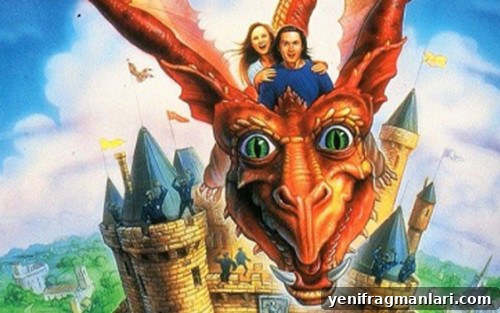
Dragonworld (1994)
Director: Ted Nicolaou
Screenwriters: Suzanne Glazener Naha, Ted Nicolaou
Starring: Sam Mackenzie, Courtland Mead, Janet Henfrey
Overview
Dragonworld is a 1994 direct-to-video family fantasy that mixes earnest children’s adventure with a surprising dose of satire aimed at modern commercialism. At face value it’s a simple boy-and-dragon story: loss, a strange new friendship, and a battle to protect a magical creature. Underneath, however, the film flirts with anti-capitalist themes—taxes, contracts, and corporate exploitation become unexpected drivers of the plot, often to comic effect.
Plot Summary
The film centers on Johnny McGowan, an American boy who relocates to Scotland after his parents die in an accident. Johnny goes to live with his gruff, stereotypically portrayed grandfather, and while learning to play the bagpipes he inadvertently summons a mist-born dragon — a creature that, for better or worse, looks part turkey, part dragon. The story skips large stretches of time: after an initial setup the narrative jumps forward roughly fifteen years, showing Johnny as a young man and the dragon grown into a larger, odd-looking companion. Financial troubles—specifically unpaid taxes—anchor the story’s conflict when opportunistic media and business interests try to claim the dragon for profit.
Tone, Pacing, and Themes
One of the film’s most noticeable traits is its uneven pacing. Long stretches of implied time pass with little on-screen development, and pivotal turning points occur abruptly. Taxes, legal ownership, and contract negotiations become surprisingly central plot devices, giving the film an unusual bureaucratic flavor for a children’s fantasy. That unexpected focus on commerce and legalities leads to moments that feel like a parody of corporate greed more than a straightforward family movie.
Rather than undermining the film, this tonal dissonance often contributes to its appeal. The combination of sincere family-drama beats and farcical corporate scheming produces an odd but entertaining blend of sentiment and satire. The filmmakers never fully explain the magical mechanics—the dragon’s origins and the power of the mist remain fuzzy—but the lack of exposition fits the film’s overall whimsy.
Performances and Character Moments
Performances range from earnest to awkward, which gives the movie much of its charm. Johnny’s relationship with the dragon is predictable but affectionate, and the cast commits to the material with plainspoken sincerity. Side characters provide a mix of genuine warmth and unintentionally comical behavior: a TV producer and his family become catalysts for the film’s conflict, and there’s an underdeveloped romance thread between Johnny and the producer’s daughter that plays out in an oddly staged, uncomfortable sequence. A maid character briefly falls for a helicopter pilot in a couple of throwaway scenes that underline the film’s tendency toward simplifying relationships into quick, quirky beats.
Effects and Production
The dragon itself is frequently the source of the film’s most memorable reactions. Rather than a sleek CGI creation, the creature often reads as a live-action puppet or animatronic with a distinctly homemade look. This aesthetic choice, whether intentional or born of budget constraints, generates several deliciously silly moments—especially when other characters react with unreserved awe to what is plainly a contrived prop. Those moments land as unintentionally funny highlights and make the film an appealing example of “so-bad-it’s-good” family fare.
Memorable Scenes
Certain scenes stand out for their mix of sincerity and awkward comedy: the moment a TV producer shows a businessman footage of the dragon (the businessman’s uncritical astonishment is priceless), and the scene where Johnny and the producer’s daughter share an awkward, drawn-out domestic beat while she listens to a song he never gets to hear. The film’s climax hinges on legal wrangling over ownership and a final escape into the mist that leaves the dragon’s fate satisfyingly ambiguous.
Conclusion
Dragonworld is far from polished filmmaking, but it has a surprising amount to offer viewers who enjoy earnest family stories with a side of absurdity. Its oddball mix of themes—childhood grief, intergenerational conflict, corporate scheming, and awkward romance—creates a movie that’s frequently baffling and frequently entertaining. The acting and production values are uneven, but those same imperfections contribute to a distinctive personality that makes the film worth experiencing for curious viewers and fans of offbeat family fantasy.
5/24