Five Nights at Freddy’s (2023)
Director: Emma Tammi
Screenwriters: Scott Cawthon, Seth Cuddeback, Emma Tammi
Starring: Josh Hutcherson, Elizabeth Lail, Piper Rubio, Mary Stuart Masterson, Matthew Lillard
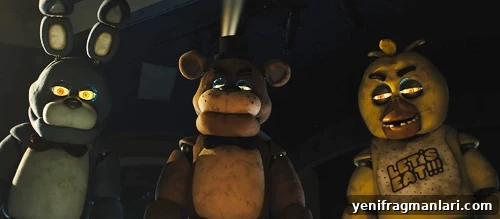
The film adaptation of the popular survival-horror video game franchise opened to strong box office results, setting records for a video game adaptation and delivering one of the biggest horror debuts of the year. Fans of the franchise have long followed a sprawling mythos across multiple games, books, and countless online discussions — and that enthusiasm clearly translated into ticket sales. For viewers who came to see familiar references, Easter eggs and visual callbacks, the film offers moments that will satisfy long-term players.
But when judged strictly as a standalone movie, Five Nights at Freddy’s struggles. The filmmakers attempt to bridge the gap between the interactive tension of the games and a conventional cinematic narrative, yet the result is a movie with an uneven tone, a convoluted plot, and an uncertain identity. Instead of delivering a taut, frightening experience that also embraces dark humor or camp, the film drifts between family drama and horror, rarely committing fully to either.
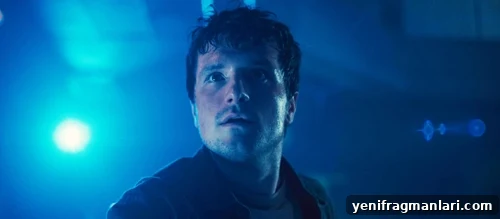
The central character, Mike Schmidt (Josh Hutcherson), is a humanized take on the protagonist from the first game. The screenplay burdens him with an added backstory: his younger brother, Garrett, was abducted years earlier, and Mike has lived under that shadow ever since. This personal tragedy is used to justify his emotional detachment and recurring lucid dreams, triggered by the sleeping pills he takes to cope. At the same time, Mike is fighting to retain custody of his teenage sister Abbey (Piper Rubio) against their estranged Aunt Jane (Mary Stuart Masterson) after a workplace incident nearly costs him his job.
In need of employment, Mike accepts a night security position at Freddy Fazbear’s Pizza, an abandoned family restaurant closed after a series of mysterious child disappearances in the 1980s. The role mirrors the gameplay premise: monitor the building at night, watch cameras, and prevent intruders from entering. In the games, limited power and the pressure of dwindling resources amplify suspense; in the film, however, Mike’s behavior undermines tension. He frequently sleeps through critical moments, neglects to watch cameras, and rarely reacts with urgency. That choice saps suspense and reduces the animatronics’ threat, making much of the movie feel complacent where it should be taut.
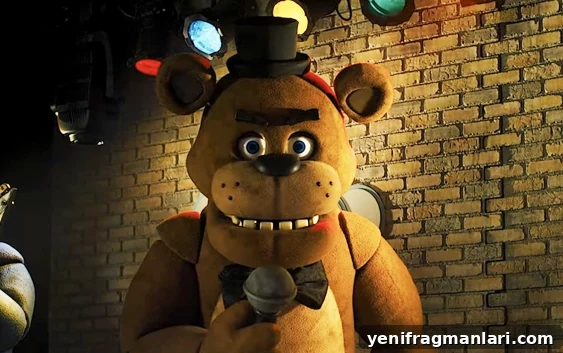
A stronger film would have leaned into the animatronics as central antagonists, using their uncanny design and mechanical unpredictability to create escalating dread. Instead, the movie often sidelines them in favor of Mike’s domestic struggles. The first act dwells on family and custody disputes to such an extent that the horror elements feel secondary. That imbalance makes the narrative feel disjointed: the personal-issue plotlines and the supernatural mystery of Freddy’s rarely integrate into a cohesive whole.
The script assumes a degree of preexisting franchise knowledge. Long-time players will recognize and enjoy many nods to the games, but casual viewers or newcomers may find certain plot beats and world-building underexplained. Key aspects of the restaurant’s sinister past and the children’s disappearances are treated as background lore rather than fully realized elements, which limits the movie’s capacity to build dread for audiences unfamiliar with the source material.
There are moments of genuine visual creativity and effective production design—the film captures a retro 1980s arcade aesthetic that should have been a stronger asset. Pinball machines, neon hues, and analog equipment could have been used to enhance atmosphere, but these set pieces often serve merely as nostalgic decoration rather than tools to deepen tension. A sequence that opens with the murder of a night guard plays more like a cameo than a meaningful escalation, and scenes that attempt to explain Freddy’s history fall into awkward exposition rather than revelatory world-building.
Performance-wise, Josh Hutcherson makes a solid effort to ground Mike in real regret and determination, and supporting actors bring moments of emotional clarity. Matthew Lillard’s presence adds a nervous energy, while Elizabeth Lail delivers the necessary exposition when called upon. Yet even capable performances can only do so much within a script that struggles with focus and pacing.
Ultimately, Five Nights at Freddy’s is a film that appeals most directly to franchise devotees who enjoy extended references and fan service. For those viewers, spotting familiar elements and callbacks may be its primary pleasure. For everyone else, it falls short of delivering consistent scares, sharp comedy, or the confident camp required to elevate a premise as outlandish as haunted, homicidal animatronics.
Score: 8/24
Verdict: A box-office success driven by franchise passion, but a flawed adaptation that struggles to translate the tense simplicity and resource-based suspense of the games into a compelling cinematic experience. Fans will find Easter eggs and moments to enjoy; casual viewers may be left wanting more coherent scares and a clearer narrative focus.