
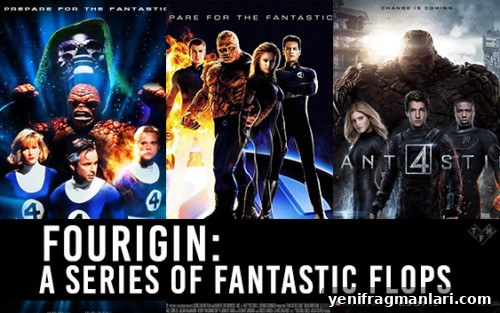
Since 1994, Hollywood has attempted the Fantastic Four origin three times on the big screen—and none of those versions connected with critics or audiences the way Marvel likely hopes a future MCU entry will. With the rights returning to Marvel after Disney’s acquisition of Fox in 2019, a new Fantastic Four film looks inevitable. That reboot will need to learn from the mistakes of the past while preserving what makes these characters special.
Below is a concise, clear look at each previous origin film, what worked and didn’t, and the core elements a successful MCU Fantastic Four should retain.
The Fantastic Four (1994)
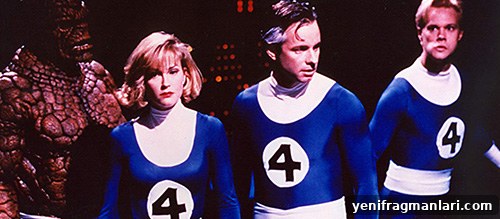
The 1994 Fantastic Four is the most infamous of the three: a stripped-down, low-budget production that reads like a rushed effort to hold onto the film rights. It opens with Reed Richards and Victor von Doom as college students whose experiment goes wrong; Doom is presumed dead and disappears off-screen, only to resurface later as Latveria’s ruler. The story jumps forward ten years to assemble Reed, Ben Grimm, Sue and Johnny for a space mission. A mishap involving a stolen diamond leads to cosmic radiation and the team’s transformations.
The film’s pacing and production values reflect its hurried, low-cost origins. Effects and sets can feel charming in a campy way, but the script is uneven and character development is minimal. Key moments—Doom’s off-screen turn into a villain and Ben’s erratic behavior—are handled awkwardly or with little explanation. Though the film’s flaws are largely budgetary and procedural, they serve as a reminder that tone, character stakes, and coherent plotting can’t be bought with special effects alone.
Fantastic Four (2005)
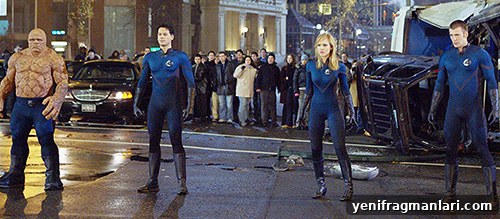
The 2005 reboot arrives with a much larger budget and cleaner production values. This version treats Victor as a wealthy industrialist who funds Reed’s scientific mission; the group travels to space, receives powers, and spends a large portion of the film learning to live with those powers while tensions build—especially between Ben and his wife, and between Reed and von Doom.
Strengths here include solid performances from parts of the cast and a light, somewhat comic tone that suits the characters’ broader comic-book roots. But the script struggles to maintain momentum between the early crises and the climax. Sue often remains a passive love interest, and the film never fully captures the charm and chemistry that make the Fantastic Four compelling on the page. Overall, this entry improves on production but falls short in character depth and narrative focus.
Fantastic Four (FANT4STIC) (2015)
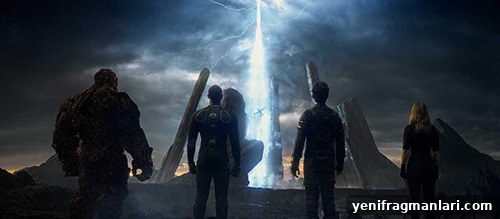
The 2015 film took a darker, more experimental approach. For the first act it leans into slow-burn atmosphere and body-horror elements as the team explores an alternate dimension and returns changed. That darker tone earns the movie some praise for ambition and mood, and early scenes of transformation and unease genuinely feel distinct from prior adaptations.
But production clashes and extensive reshoots fractured the film’s identity. The tone shifts abruptly from grim and unsettling to blockbuster spectacle, and pivotal scenes—especially the finale—are visually and emotionally uneven. Doom’s portrayal oscillates between refined menace and overstuffed effects, and the climax resolves abruptly without the impact audiences expect from a studio superhero film. Despite some interesting character dynamics and fresh ideas, the finished product feels like a compromised draft rather than a clear vision.
Lessons and What the MCU Should Keep
Across these three films, a few consistent lessons stand out for any future MCU Fantastic Four project:
- Origin by science: The team’s powers emerging from a scientific mishap is core to their identity. That link between science, discovery, and consequence is central to Reed Richards’ story and to a believable Reed-vs-Doom dynamic.
- Character-driven powers: The Fantastic Four’s abilities should reflect their personalities and struggles—Reed’s overreach, Sue’s reticence, Johnny’s recklessness, and Ben’s sense of isolation or self-worth. Those psychological echoes create emotional stakes that go beyond flashy effects.
- Reed–Doom history: Establishing a prior relationship between Reed and Victor von Doom adds drama and fuels the conflict organically—Doom’s resentment and ambition should feel earned.
- Tone balance: A successful film should balance humor with heart. A light touch can highlight the family dynamics and occasional silliness (the iconic catchphrase and quips), while darker beats can deepen emotional payoff without derailing accessibility.
- Give Doom weight: Doctor Doom needs gravitas. Whether he wears a mask, embraces magic, or leans on technology, his presence should feel imposing and coherent with his comic-book legacy.
There’s also room to rethink familiar beats: a Ben Grimm who learns to accept or even enjoy being the Thing would be a refreshing arc, and exploring Doom’s mystical side—or giving him a standalone origin—could create new storytelling opportunities. Introducing Reed Richards as an established, brilliant scientist in the MCU before fully committing to a traditional origin could let filmmakers focus on more nuanced character development and team dynamics.
Ultimately, the Fantastic Four offer a unique blend of family drama, scientific wonder, and superhero spectacle. With careful attention to character, tone, and a clear creative vision, a future MCU take can deliver a version that honors the comics and finally gives Marvel’s First Family the screen treatment they deserve.