
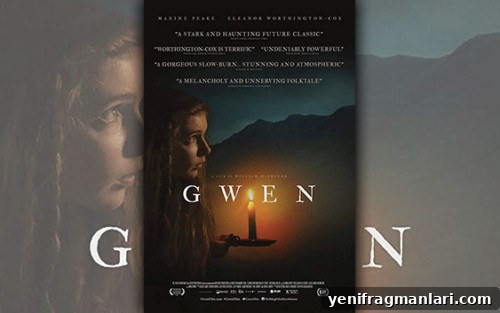
Gwen (2019)
Director: William McGregor
Screenwriter: William McGregor
Starring: Eleanor Worthington-Cox, Maxine Peake, Richard Harrington, Jodi Innes
Gwen is a hauntingly restrained gothic drama set against the unforgiving landscape of Snowdonia during the Industrial Revolution. William McGregor both wrote and directed this film, crafting a slow-burning portrait of a family pushed to the edge as economic pressures and outside forces encroach on their mountain farm. Moody, visually striking and emotionally austere, the film favors atmosphere and implication over jump scares or conventional horror beats.
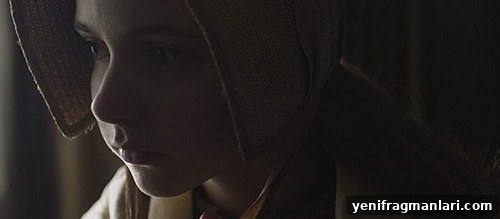
At its core, Gwen concentrates on the relationship between its young protagonist and her mother. Eleanor Worthington-Cox and Maxine Peake deliver the film’s most compelling work: Worthington-Cox’s Gwen is an observant, resilient child who absorbs the dangers around her with a quiet intensity, while Peake anchors the story with a raw, determined portrayal of a woman attempting to protect her family and preserve their way of life. Their interactions form the emotional center of the film, shaping every tense moment and moral dilemma.
Though the film contains elements associated with folk horror—isolation, local customs, and a pervasive sense of dread—it is not a straightforward genre piece. McGregor approaches dread in a more artful manner, often cited as drawing influence from filmmakers like Ingmar Bergman, and the influence shows in the patient camera work and the deliberate pacing. Shots linger just long enough to make viewers uneasy; compositions lean toward the off-kilter, and silence and landscape are used as narrative instruments. The result is an unnerving, deeply cinematic experience that rewards patience.
The Snowdonia setting is integral: the slate roofs, rain-slick hills and shifting mists are not merely backdrop but active elements of the story. The film’s cinematography emphasizes the bleakness and beauty of the terrain, using wide, wind-whipped frames and close, claustrophobic interiors to contrast the vulnerability of the characters with the immensity of their environment. This combination reinforces the themes of vulnerability and survival and confers a distinct identity that feels inextricably Welsh.
This Welsh identity extends beyond scenery. The film engages with social themes of the period—economic hardship, the pressures of industrialisation, the reach of capitalist structures—and explores how these larger forces affect small, rural communities. It examines power imbalances, gendered expectations and the ways in which institutions and outsiders can disrupt traditional livelihoods. These motifs are woven through the narrative without heavy-handed exposition, giving the story texture and historical resonance.
Technically, Gwen is meticulous. The production design and costume work convincingly evoke the era without drawing attention away from the characters. Sound design and the subtle musical cues heighten tension, often by withholding obvious musical signposting and instead allowing ambient noises—the drip of water, the creak of timber, the howl of wind—to build unease. Together, these elements create an immersive sonic and visual world that amplifies the emotional stakes.
The film’s pacing and stark tone mean it won’t satisfy everyone. It leans toward bleakness and restraint, and viewers seeking conventional scares or a fast-moving plot may find it slow or oppressive. Yet for those who appreciate films that rely on mood, visual storytelling and character-driven tension, Gwen offers a richly rewarding experience. Its refusal to spell out every implication invites reflection, and it lingers in the mind long after the credits roll.
Performances, especially from the two female leads, are the film’s most lasting impression. The interplay between mother and daughter—trust, frustration, fear and fierce loyalty—keeps the narrative grounded in human feeling even as external threats escalate. Supporting performances add texture without distracting from the central relationship.
In sum, Gwen is an uncompromising, atmospheric film: part period drama, part folk-inflected gothic study, and entirely anchored by powerful acting and precise direction. It is best appreciated by viewers open to a slower, more contemplative approach to tension—those who value mood, setting and character over conventional genre thrills will find much to admire. This is a small, distinct film that earns its sense of dread through composition and patience rather than shock tactics.
19/24
Follow the author on Twitter: KJudgeMental