
The penultimate sequence of Spider-Man: Across the Spider-Verse (2023) culminates with Miles Morales outwitting and overpowering an entire army of Spider-People. Pinned beneath Miguel O’Hara (Spider-Man 2099), the leader of the Spider Society, Miles absorbs Miguel’s electric assault, frees himself with a surge of venom energy, turns invisible, and escapes the pursuing force. This moment crystallizes the film’s central theme: Miles’ evolution into a Spider-Man who is both exceptionally capable and fundamentally different from his peers.
Most Spider-people share the same basic set of abilities: enhanced strength and agility, a spider-sense, wall-crawling, and web-swinging. Miles, however, possesses two distinctive powers that set him apart—an electrically charged venom blast and the ability to camouflage himself into near-invisibility. These additional gifts not only make him formidable in combat but also symbolically represent the emotional and relational supports that enable his growth.
Beneath the multiversal spectacle, the Spider-Verse films are intimate stories about a young man learning to accept a life-changing gift. First Miles must believe he deserves that gift; then he must defend it against forces that question his legitimacy. The arc that spans both films traces how parental love, mentorship, and found family combine to help Miles transcend the limitations that defined earlier Spider-people. His climactic triumph in Across feels both beautiful and inevitable because it is built on that foundation.
The Reluctant Spider-Man – Into the Spider-Verse
Spider-Man: Into the Spider-Verse (2018) charts Miles’ agonizing journey from fearful adolescent to confident hero. Unlike many cinematic adaptations where the protagonist embraces powers early and learns responsibility later, Miles reacts to his gifts with anxiety while accepting responsibility before fully mastering his abilities. His origin is therefore shaped by a series of emotional pushes: witnessing a predecessor’s death, hearing his mother and father express belief in him, experiencing his uncle Aaron’s encouragement and tragic end, and confronting the limits of his readiness. Each moment nudges him toward courage.

Jefferson “Jeff” Davis, Miles’ father, is the emotional anchor of the first film. Their early disagreements—about school, expectations, and communication—establish the distance Miles must bridge. Jeff’s tough love and desire to secure Miles’ future create pressure, but they also signal the deep belief he has in his son. When Jeff finally opens up about not wanting Miles to grow apart, and when he affirms Miles’ spark and potential, it gives Miles the final confidence to step into the role of Spider-Man.
Other important guides include Uncle Aaron (the Prowler) and Peter B. Parker, the jaded Spider-Man from another universe. Aaron encourages Miles’ individuality, and Peter B. teaches him how to be a hero in practice. The rest of the Spider-Gang—Gwen Stacy, Penni Parker, Spider-Man Noir, and even Peter Porker—supplement this mentorship with technical know-how and moral support. Their generosity lets Miles bypass some of the lonely struggles typical of a Spider-origin, offering a found-family that helps him become more than a repetition of the past.
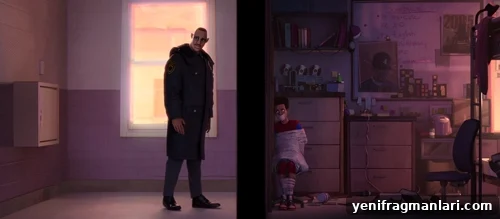
Jeff’s candid confession—acknowledging both his fears and his faith in Miles—becomes the turning point. By naming Miles’ brilliance as the source of pressure and urging him to pursue his path, Jeff helps Miles accept his potential. With that acceptance, Miles can finally fulfill the role the world needs him to play.
The Anomalous Spider-Man – Across the Spider-Verse
Two years later in Spider-Man: Across the Spider-Verse, Miles has grown into his role but still struggles with ordinary adolescent conflicts. Tension with his parents—most notably about his future and the potential separation it entails—reveals how his double life complicates family bonds. His mother, Rio, becomes the emotional center in this chapter. When she admits her fear of losing the boy she raised and asks Miles to never forget where he came from or that he is loved, she gives him the steadying reassurance he needs to resist outside forces that would deny his place.
When Miles reaches the Spider Society—guardians of a rigid multiversal canon—he discovers a harsh truth: their rules call for Jefferson Davis’ imminent death, and canonical order demands he must not interfere. Miguel O’Hara enforces this version of fate, branding Miles an anomaly and insisting that the established sequence of events cannot be altered. Rather than accept the Society’s verdict, Miles chooses to fight for his father and for his right to define himself.

Hobie Brown, Spider-Punk, becomes Miles’ practical mentor in Across. Hobie refines Miles’ technique and pushes him to think critically about the Society’s moral claims. He shows Miles how to enhance his venom burst and how to use that power with purpose. When Miguel immobilizes Miles and the chase seems lost, Miles uses Hobie’s method to absorb Miguel’s energy and strike back with an amplified venom blast. Then, rejecting the Society’s decree that he is a mistake, Miles turns his camouflage to disappear, leaving the army behind.
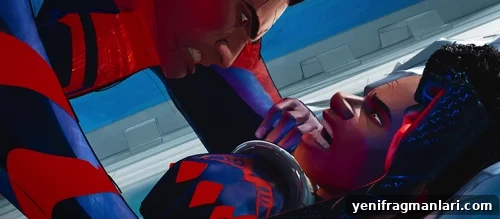
That scene reads as more than a tactical victory. The two extraordinary abilities Miles displays—venom and camouflage—stand in for the emotional resources that enabled them: two present, loving parents and the guidance of mentors who believed in him. Where previous Spider-people’s identities were forged primarily through loss and isolation, Miles’ path is shaped by care, continuity, and intergenerational support. His win over the Society is therefore both personal and symbolic: he refuses a tragic status quo and asserts a new model of heroism that includes nurture as well as sacrifice.
The Spider-Verse films celebrate not only a young hero’s physical feats but the networks of love and instruction that produce them. Miles becomes exceptional because others invested in him—parents who believed, mentors who taught, and peers who made space for different outcomes. His story suggests a different inheritance for the next generation: one in which love and knowledge enable children to surpass the limitations their predecessors accepted as inevitable.
Recommended for you: 10 Best Spider-Man: Into the Spider-Verse Moments
Written by Faiz Elahi
You can support Faiz Elahi on Letterboxd: /faiznailed8