
This article was provided to The Film Magazine for exclusive use by Beth Sawdon of flipendofilms.
Many of the greatest films began not as polished screenplays but as ideas: a note in a notebook, a passage in a novel written on long journeys, or a story drafted over hours at a typewriter. When those novels are adapted for the screen, the results can range from masterpieces to disappointments. Why do some adaptations succeed while others fail? Translating prose into visuals involves far more than simply following the page. Below, I outline key factors that help turn a beloved book into a compelling film—choices that respect readers, serve cinema, and create something true to the spirit of the original work.
1. Honour the Source Material
The original novel is the primary blueprint for any adaptation. A faithful adaptation respects the book’s narrative core—its major events, character arcs, and tone—while also making smart choices for film. Filmmakers must decide whether the story fits into one film or requires multiple installments.
Some adaptations work well as a single movie; others benefit from a trilogy or series. Peter Jackson’s Lord of the Rings films closely followed the structural rhythm of the novels, allowing the trilogy to capture the story’s depth. By contrast, stretching a shorter work into multiple films can dilute its strengths unless the expansion is motivated by story rather than profit.
When adapting, include the key moments that define the book and ensure the plot flows logically on screen. Descriptions of setting and character need to be interpreted with care—especially in fantasy, where readers have often imagined the world for years. The first Harry Potter film succeeded because it visualized Hogwarts in a way that matched fans’ expectations and felt authentic to the novel’s tone, creating a powerful cinematic moment.
2. Work With the Author (If Possible)
Involving the author—when feasible—adds immense value. Authors can provide insight into character motivations, world-building details, and thematic emphasis that might otherwise be lost. Their perspective helps keep the adaptation aligned with the spirit of the source material.
A famous example is Stanley Kubrick’s adaptation of Stephen King’s The Shining. Kubrick approached the material with strong visual ideas, and his film became iconic. Yet Stephen King was critical of some creative choices, particularly the way Jack Torrance’s descent into madness was portrayed. This highlights an important point: even when a film is successful, authorial input can help preserve nuances that a director might interpret differently.
Collaboration doesn’t mean the author controls every decision, but their engagement often strengthens the adaptation. Authors may offer background that enriches characters, suggest emotional beats to emphasize, or identify details that are essential to fans.
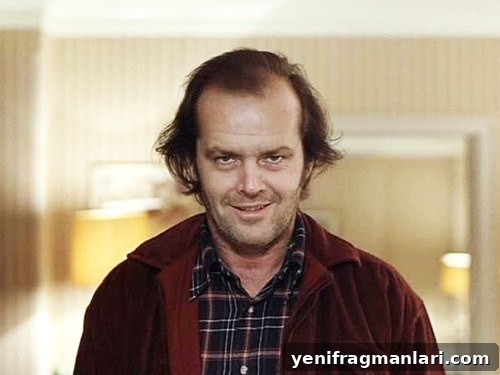
Jack Nicholson as Jack Torrance in The Shining (1980)
3. Consider the Future
When a book forms part of a series, filmmakers must plan for the story’s evolution. Books can grow darker, characters can age and change, and audiences can mature. Adapting a series successfully means anticipating these shifts and choosing directors, cast, and designers who can adapt alongside the story.
The Harry Potter film series illustrates this well. Over eight films, multiple directors brought distinct sensibilities that matched the changing tone of the books—from the whimsical opening films to the darker, more mature later installments. Casting and creative choices evolved with the story, helping the films grow with their audience while maintaining continuity.
Long-term planning helps maintain coherence across multiple adaptations and prevents abrupt tonal shifts that might alienate fans.
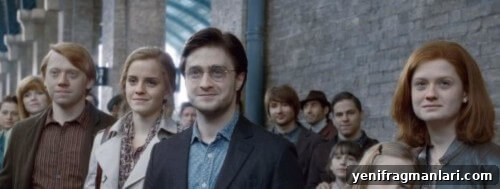
Harry Potter and the Deathly Hallows Part 2 (2011)
4. Listen to the Fans
Fans who love the source material are the adaptation’s core audience. They know the story intimately and can offer passionate feedback. Filmmakers should pay attention to fan expectations while balancing those desires against the needs of cinema.
Many productions benefit from having team members who are longtime fans; their enthusiasm can help preserve the book’s spirit. Fan interest has also revived projects that might otherwise never have been made. The character Deadpool, for example, became viable as a lead after fans supported leaked footage and advocated for a grittier, truer-to-the-comic portrayal—resulting in a highly successful film and franchise.
Listening to fans isn’t about slavish obedience; it’s about respecting the relationship between readers and their stories and using that knowledge to make informed creative decisions.
5. Only Make It If You Know What You’re Getting Into
Adaptations require time, attention, and respect for the source. Rushing into production without fully understanding the material is a common pitfall. Filmmakers should be committed to the project’s scope and tone, or else risk producing something that disappoints both readers and new audiences.
A Series of Unfortunate Events provides a cautionary tale. The theatrical film mixed elements from multiple books and underwent creative changes that left some fans and the author dissatisfied. Years later, a Netflix series developed with the author’s involvement covered much more of the source material across multiple seasons, demonstrating how patience and fidelity can yield a more satisfying adaptation.

Neil Patrick Harris (left) and Jim Carrey (right) in various A Series of Unfortunate Events adaptations.
Seeing a world you imagined on the page appear on screen is a singular joy. The best adaptations honour the book’s heart while embracing the unique strengths of film—visual storytelling, performance, and cinematic pacing. When those elements align, an adaptation can delight both readers and moviegoers.
The Shining (1980)
Submarine (2010)
IT (2017)
The Lovely Bones (2009)
Trainspotting (1996)
Breakfast at Tiffany’s (1961)
Written by Beth Sawdon
The team at The Film Magazine encourages you to support Beth Sawdon. Follow flipendofilms on Instagram @flipendofilms or visit flipendofilms for more of her work.