
“Do TV and no one will ever take you seriously again.” Jack Donaghy, Alec Baldwin’s 30 Rock character, in the show’s 100th episode (2011).

Why Film Actors Are Choosing Television Again
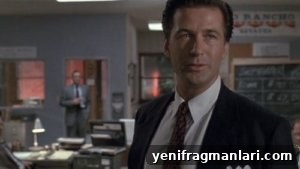
There was a time when a movie star turning up on television felt like career backpedaling. TV paid less, carried less prestige, and many believed it signaled the end of a serious film career. The stereotype was even lampooned on 30 Rock: Alec Baldwin, an Oscar-nominated film actor, joked about TV being a career death knell. Yet over the last decade that perception has shifted dramatically. Today, A-list actors regularly take substantial television roles and often reap the creative and career rewards.
The shift didn’t happen overnight. In the mid-2000s, when Bill Paxton joined HBO’s Big Love or Patrick Dempsey became “McDreamy” in Grey’s Anatomy, industry observers treated those moves as surprising, even risky. Conversely, the success stories of actors moving from TV to film — for instance George Clooney’s leap from ER to major motion pictures — reinforced the idea that film was the higher rung on the ladder.
That ladder still exists; moving from TV to successful film roles can boost careers. Bryan Cranston’s post-Breaking Bad trajectory and Chris Pratt’s rise after Parks and Recreation are good examples of that upward shift. But the reverse is increasingly common and often artistically fruitful. Actors like Jennifer Garner and Jessica Alba made the jump from cult TV to mainstream cinema with mixed results, while others such as Ginnifer Goodwin returned to television after less memorable film work. Some performers have always moved fluidly between both media — Alyson Hannigan, for instance, maintained visibility on Buffy while appearing in American Pie around the same period.
Producers have long cast familiar TV faces to help films find an audience. Familiarity brings financing and box office recognition; a well-known television actor can make an indie film or comedy more marketable. But beyond marketing, the way television is produced and consumed has changed, and those changes have reshaped its appeal for established film actors.
One major difference is storytelling scope. Television offers long-form narratives that allow actors to develop characters across seasons, exploring nuance and growth rarely available in a two-hour film. Shows like Damages intentionally assembled casts of respected film actors — Glenn Close, John Goodman, Lily Tomlin, and others — to create a more cinematic television experience. That approach signaled that TV could deliver both prestige and rich creative opportunities.
Another decisive factor is how audiences watch television today. Streaming platforms and on-demand viewing have turned shows into events that viewers can binge or follow weekly. This flexibility increases a show’s cultural footprint. Programs like Game of Thrones demonstrated how TV can become a global phenomenon, propelling relatively unknown actors into household names and extending their visibility over many years. That sustained exposure often benefits actors when they return to film or take on other high-profile projects.
High-quality television also attracts talent in other fields. Musicians and performers such as Rihanna, Lady Gaga, and Stevie Nicks have taken notable TV roles, bringing additional attention and crossover appeal. Likewise, established film actors — Matthew McConaughey in True Detective, Kirsten Dunst in Fargo, Reese Witherspoon in Big Little Lies, and Drew Barrymore in Santa Clarita Diet — have embraced complex television roles that enhance their careers and demonstrate the medium’s renewed prestige.
The result is a blurring of the line between film and television. While blockbuster movie stars like Matt Damon or Brad Pitt still mostly headline feature films, the strict division between TV actors and film actors has softened. Television now offers a viable, and often desirable, avenue for artists seeking substantial work, broader audiences, and creative fulfillment.
In short, television has reclaimed prestige by offering ambitious storytelling, wider audience reach, and flexible viewing habits — all of which make it attractive to film actors who want to challenge themselves, remain visible, and connect with viewers in new ways. The old rule that “doing TV” harms your credibility no longer holds. For many performers, television is not a fallback but a deliberate and rewarding choice.
Written by James Cullen