
Immaculate (2024)
Director: Michael Mohan
Screenwriter: Andrew Lobel
Starring: Sydney Sweeney, Álvaro Morte, Simona Tabasco, Benedetta Porcaroli, Giorgio Colangeli, Dora Romano, Giulia Heathfield Di Renzi
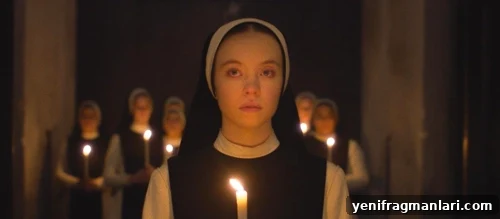
Horror cinema has felt uneven this year, particularly among releases that reach mainstream theaters. Immaculate arrives amid that uneven crop, attempting to carve out its own identity while leaning heavily on familiar religious-horror motifs. The film centers on Sister Cecilia, played by Sydney Sweeney, an American novice who joins an Italian convent. Cecilia is devout and sincere, but her faith is tested when she experiences strange visions: nuns with faces veiled in red cloth, nocturnal apparitions, and mounting isolation even as a few sisters, like Sister Gwen (Benedetta Porcaroli), offer friendship.
The central mystery—Cecilia becomes pregnant despite her vows of chastity—drives the narrative and sets up the movie’s collision of faith and dread. The community interprets the pregnancy as a potential miracle, a sign of resurrection or divine intervention, but the film quickly suggests darker forces may be at play. While that premise will read as familiar to genre fans, Immaculate makes an effort to engage those tropes with a visually confident approach and committed performances.
The film wastes little time establishing danger. A harrowing cold open shows a sister attempting to escape the convent in the dead of night, only to be apprehended and buried alive after a brutal injury. That sequence signals the movie’s willingness to be direct and uncompromising rather than slow-burning or coy. Andrew Lobel’s screenplay wears its influences plainly—elements reminiscent of classic religious paranoia pieces and modern European art-horror appear throughout—but it keeps dialogue economical. Lobel’s writing doesn’t aim for poetic flourish; instead, it opts for bluntness and clarity, which sometimes makes the script feel simplistic but serviceable for the film’s aims.
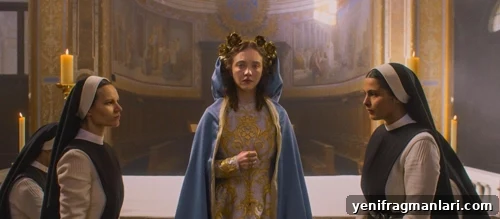
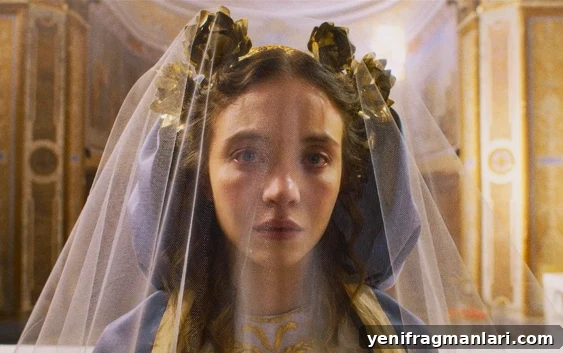
Where the screenplay is straightforward, director Michael Mohan strives to find visual and emotional nuance. Mohan’s direction often lifts the material: he composes striking long takes and fluid tracking shots that enhance the claustrophobic atmosphere of the convent. Cinematographer Elisha Christian contributes crisp, painterly framing that highlights the lush interiors and shadowed corridors, giving the film an aesthetic that feels richer than its narrative originality might suggest. There is a memorable final take that prolongs a disturbing, agonized close-up on Sweeney’s face—bloody, tortured, and raw—allowing the audience to dwell in the character’s suffering in a way that lingers.
The film does not shy away from graphic violence. Several scenes are unflinching, and one sequence in particular creates genuine discomfort in the theater. Those moments push the film toward a stricter age rating, and viewers sensitive to onscreen brutality should be warned. Yet the violence is used to underline the story’s darkness rather than merely to shock: when the narrative demands visceral impact, Mohan and his cast deliver it with a starkness that feels purposeful rather than gratuitous.
Performances across the board are solid, and Sweeney anchors the film with a committed portrayal that grows increasingly harrowed as events escalate. Her final minutes are a standout, a fierce close that sells both the physical and psychological cost imposed on her character. Supporting performances, notably from Benedetta Porcaroli as Sister Gwen, provide human warmth and friction that help ground the more supernatural elements.
Production design is another highlight. The convent’s interiors are evocative: ornate, austere, and atmospheric. Costume and set details create a convincing environment where ritual and repression intersect, and Christian’s cinematography accentuates those choices, often finding beauty in the film’s gloom. The result is a movie that looks and feels more polished than many of its recent genre peers.
Immaculate doesn’t reinvent religious horror, nor does it conceal the cinematic lineage it draws from. Yet it manages to be watchable and occasionally memorable because of its visual craft, committed performances, and willingness to press into discomfort. The screenplay’s bluntness limits how deeply the film interrogates its themes, but the director’s choices and the cast’s dedication lift it above simple pastiche. It’s not a masterpiece, but it’s a dark, effective entry in contemporary horror that will satisfy viewers who appreciate mood, atmosphere, and a touch of brutality.
Score: 15/24
Rating: ★★★ (3 out of 5)