
At the Table of Bubbles: Pete Ohs and the Cast of The True Beauty of Being Bitten by a Tick
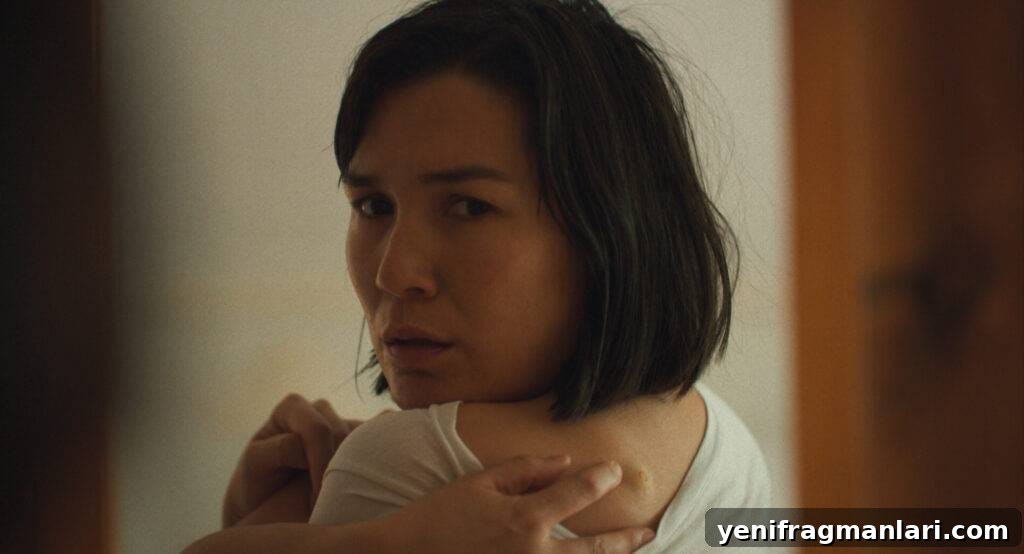
The True Beauty of Being Bitten By a Tick Still with Chloe Zhao | Courtesy of Exile PR
Premiering at SXSW 2025, The True Beauty of Being Bitten by a Tick resists simple labels. At first glance it reads like a quiet retreat: Yvonne, played by Zoë Chao, returns to a rural house to grieve, seeking solace with her friend Camille, played by Callie Hernandez. There she meets Camille’s friends A.J. (played by James Cusati-Moyer) and Isaac (played by Jeremy O. Harris). They share wine and carefully prepared food, occupy languid afternoons, and cultivate a fragile domestic ritual. When Yvonne is bitten by a tick, however, reality begins to bend. A weekend away shifts into something eerie, darkly comic, and quietly existential.
What is The True Beauty of Being Bitten by a Tick?
If the film’s tone is elusive, so too is the method behind it. When I met with director Pete Ohs and his cast after a long day of press, the conversation moved beyond promotion into an energetic discussion of craft, collaboration, and creative risk. Their enthusiasm resurfaced when they spoke about how the film was made: less a tightly controlled production and more an environment designed to invite discoveries.
Ohs, who has built a reputation on intimate, micro-budget work, describes his role not as a commanding auteur but as a catalyst. He sets the conditions—location, mood, intention—and then lets the actors and collaborators add the details that make each scene live. That approach yields a film that feels both carefully composed and spontaneously alive: scripted and rehearsed, yet open to the small impulses that make performances feel lived-in.
Pete Ohs and Coming Together as Collaborators
Pete Ohs rejects the myth of solitary genius. “I think it’s cool that I’m a director saying I’m not the genius – we are all the genius, and it’s not even within us; it’s outside of us,” he says. For Ohs, filmmaking is a process of assembling a fertile space and trusting the people in it to respond truthfully.
I didn’t want to be a ‘normal’ filmmaker who writes a script and tells everyone what to do – Pete Ohs
The initial idea for Tick arrived casually while Ohs visited Hernandez at a rented house. That unplanned encounter—looking out at a field and noticing ticks—became the seed for a story that embraces uncertainty. Ohs describes his practice as annual: each year he asks, “What is the film this year?” and then pursues that seed through collaboration, improvisation, and careful shaping.
The cast responded to this openness. Jeremy O. Harris, who came aboard after Ohs edited his documentary work, saw the process as an invitation to the ancient idea of genius as a visiting force—an apt metaphor for a production that values serendipity as much as craft.
Shared Screenwriting Credits and Organic Creation

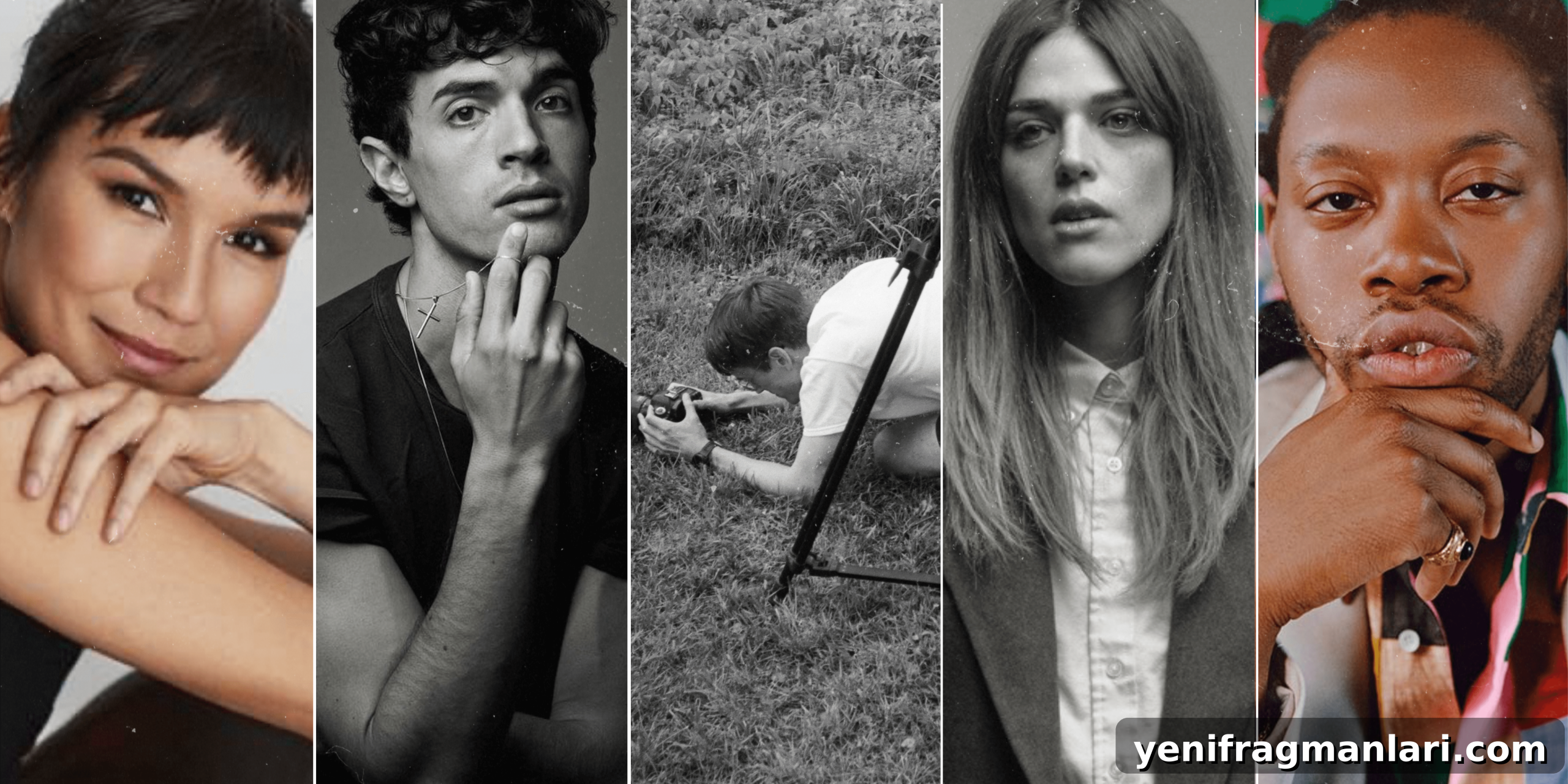
(L-R) Zoë Chao, James Cusati-Moyer, Pete Ohs, Callie Hernandez, Jeremy O. Harris | Photo Credits: Pete Thompson, Emil Cohen, Jesse Reed, Jacob Boll, Micaiah Carter
Rather than imposing a rigid hierarchy, Ohs’ set operated like an open workshop: ideas were offered, tried, and either embraced or set aside by consensus. That give-and-take allowed performances to accumulate in small, specific details—how a character cooks, how they attend to household chores, the way they talk about vegetables. For James Cusati-Moyer, details like “spring onions” were not throwaway color; they became entry points for character life.
If you’re not doing it for a big paycheck but to disrupt something or wake something up inside yourself, that’s worth doing. That’s what the table of bubbles brought for me – a reminder of why I make things – Jeremy O. Harris
Food and ritual anchor much of Tick’s drama. At first a source of comfort—shared meals, careful preparation—these domestic acts gradually tilt toward the uncanny. The camera lingers, sounds are amplified, and ordinary gestures become subtly menacing. The result is a film that balances naturalism and mounting unease: every moment feels earned because it emerges from actors’ lived choices rather than being purely decorative.
The Table of Bubbles Philosophy
The film’s production itself embodies a kind of scrappy independence: a small crew, a rented house, a focused schedule. For Ohs, “the table of bubbles” is a guiding metaphor—beautiful and fragile, something you should not load with expectations. Instead of measuring success by budgets or traditional milestones, this team measured the experiment by what it revealed about making work together.
There are a million and one ways to make a movie. Sometimes they work, and sometimes they don’t… but experimenting is the only way I’m interested in working right now – Callie Hernandez
That attitude changed how the cast and crew approached performance. Cusati-Moyer, who comes from theater and often feels constrained on film sets, described how trust and time allowed him to relax: “For the first time, I thought, ‘Oh, this is what they mean by letting the camera come to you.’” The film’s intimacy comes from that permission to breathe and to let discoveries surface.
On Art, Pretension, and Belief
Conversations about craft can easily lapse into abstraction. What stands out with this group is the absence of performative seriousness. References to philosophy and craft sit alongside slang and candid asides. They aren’t trying to persuade an audience of a theory; they’re practicing a method and believing in it.
That belief is tangible. Zoë Chao said the process reminded her to loosen her grip creatively: “It’s easy to calcify as you get older, both personally and professionally. You grip things tighter. This was a reminder to release.” The film and its making offered a reminder that letting go can produce work that is surprising, humane, and quietly unsettling.
The True Beauty of Being Bitten by a Tick: A Reflection on Indie Filmmaking and Collaboration
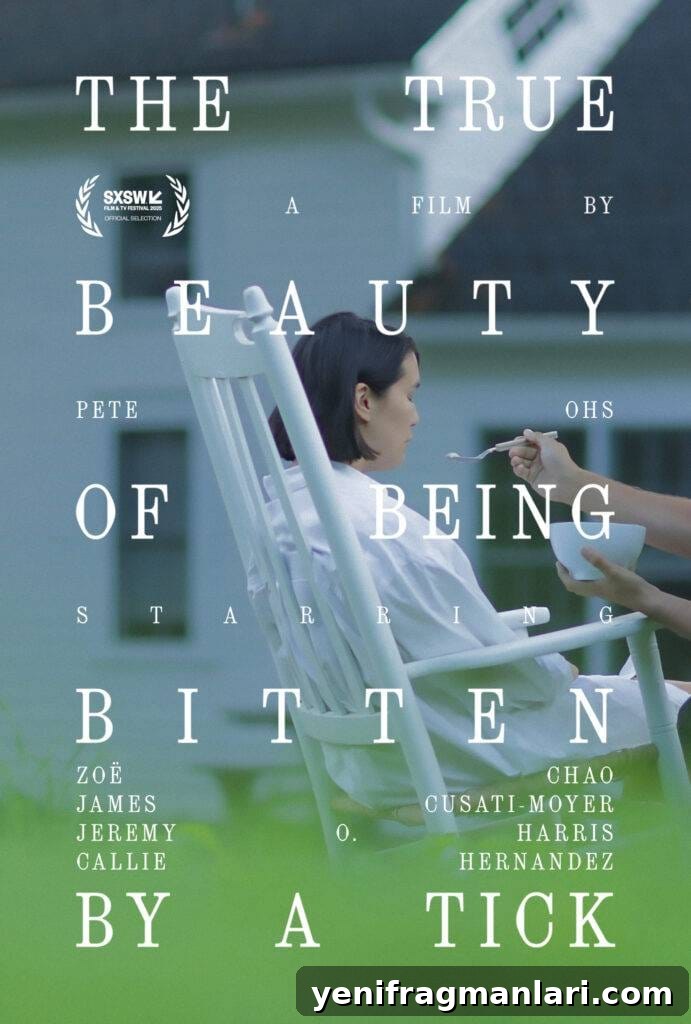
The True Beauty of Being Bitten By a Tick Poster | Courtesy of Exile PR
At the end of the interview, the themes of the film and the experience of making it lingered. The project is a case study in low-budget risk-taking that values collaboration, curiosity, and the freedom to fail. Its strengths are as much about how it was made as what appears on screen: a reminder that small, deliberate experiments in process can yield work that feels singular and alive.
Pete Ohs summed the lesson plainly: “Fear infects. It isolates. It confuses. It controls.” Tick suggests an alternative—release the need for rigid control, lean into the strange and imperfect, and allow a film to reveal itself. The result can be unsettling, funny, and unexpectedly beautiful—like a fragile table of bubbles that nonetheless holds a moment worth remembering.