
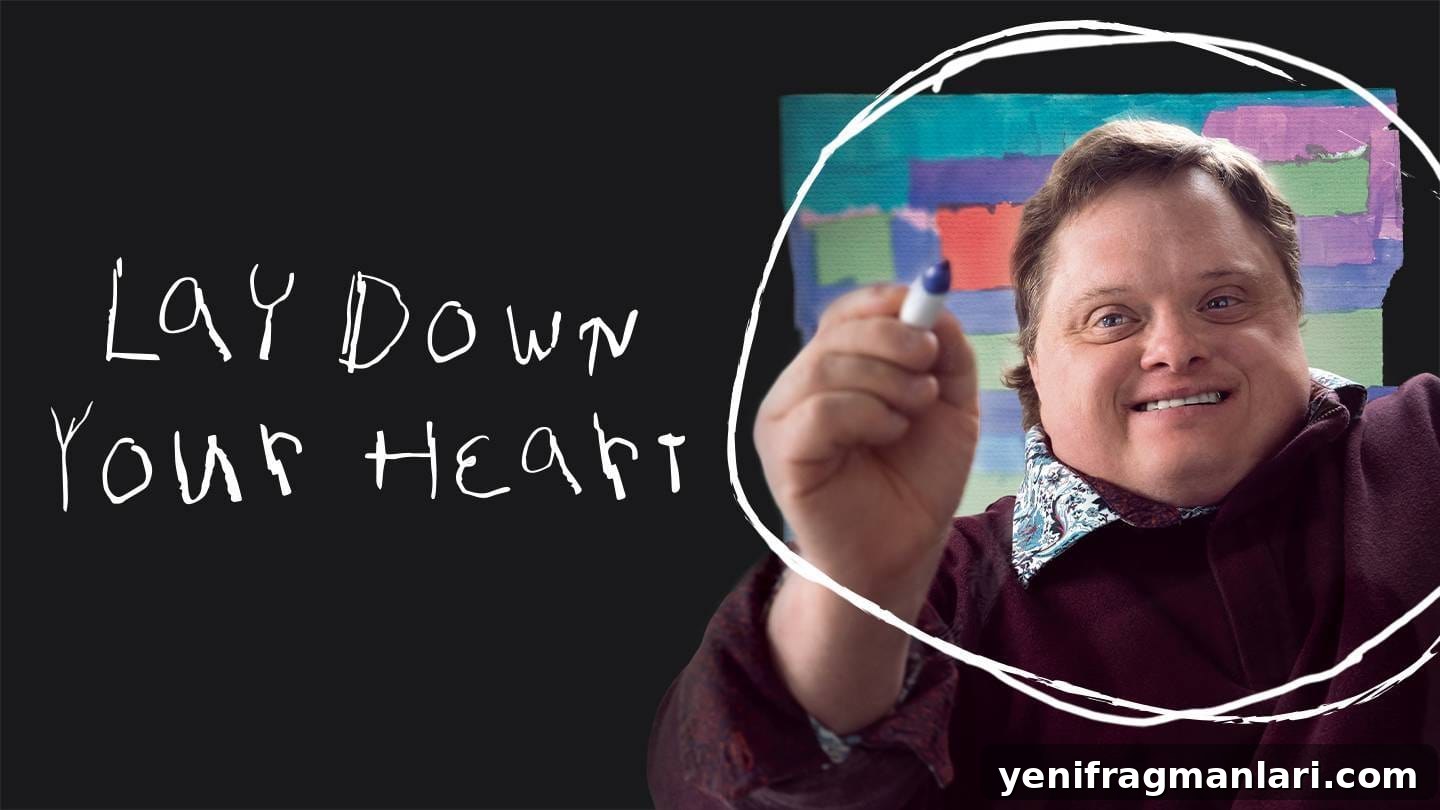
Trailer
Lay Down Your Heart follows Niall McNeil as he introduces his chosen family: the many people he calls his children (some of whom are older than he is), his celebrated “ex-wife,” and director and co-writer Marie Clements. These relationships—formed through shared creativity, theatre, and life—bring together some of Canada’s finest theatrical and artistic talents. By tracing moments that are sometimes factual, sometimes infused with imaginative storytelling, the film explores how Niall’s boundless imagination and deep compassion lead him toward the heart of human connection. (NFB)
Watch the film here: National Film Board of Canada
Niall McNeil – Star and Co-Writer
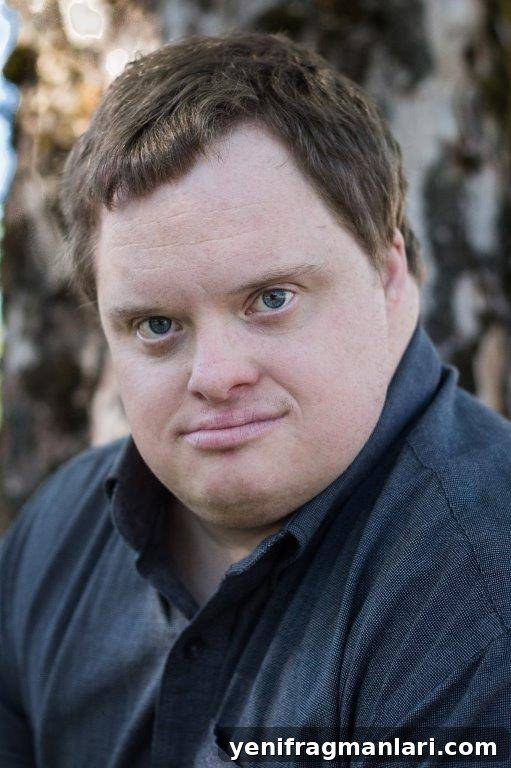
Niall McNeil is a multidisciplinary artist whose career spans more than two decades. He has created, written, and performed in plays and films across Canada, and he works in visual arts and media. In 2022, Niall became the first Canadian artist with Down Syndrome to receive a Canada Council for the Arts Composite Grant to support the development of three new multidisciplinary works. His practice blends performance, painting, and storytelling, and his work centers a joyful curiosity about people and memory.
Marie Clements – Director and Co-Writer
Marie Clements is a Métis-Dene filmmaker, playwright, and the founder of MCM, a production company that creates innovative media reflecting Indigenous and intercultural perspectives. Her notable projects include both stage and screen work that push creative boundaries. As director and co-writer, Clements brings theatrical rigor and cinematic imagination to the film, collaborating closely with Niall to shape a portrait that blends documentary truth with lyrical invention.

The Conversation
Sitting down with Niall and Marie was a true pleasure. Through the film, Niall demonstrates what is possible when an artist refuses to be defined by other people’s expectations. As he says in Lay Down Your Heart, “When you’re afraid, you go backward.” That philosophy—choosing courage over retreat—has driven his creative life and allowed him to grow into the artist he is today.
The conversation explored Marie and Niall’s long friendship, the unique challenges of shooting during the COVID-19 pandemic, and how Niall instinctively knows the roles different people play in his chosen family. At one emotional moment, Niall explains that his “son” Steven had lost his biological father, and Niall stepped in to fill a fatherly role. That kind of empathy is central to the film’s humanity.
Niall is an artist. That simple truth is at the film’s core, and it’s what fuels excitement for his next projects.
Adam Manery: From the very first shots we see the strength of your relationship. Niall, what do you love most about Marie?
Marie Clements: Uh oh.
Niall McNeil: I met Marie through my cousin Paula Danckert. Paula worked with Marie on plays and film projects. Marie and I have a special relationship—we’re good friends, and we call each other “exes” in a playful way. Sometimes Marie’s lines are a bit mixed up, and Paula helps fix them.
MC: That’s the way it is!
AM: You two have known each other a long time. How did your relationship grow into this close collaboration?
MC: We met when Niall came to a reading of one of my early productions, Copper Thunderbird. At the after-party he told me I was his ex-wife, and that was the start of our friendship. Over the years we supported each other’s work—Niall appeared in my short film “Pilgrims” and contributed to many productions with visual and media work. Because we both practice across forms, we are always curious about each other’s processes and stories.
AM: Niall, you co-wrote the film with Marie. What was your experience collaborating on this project?
NM: I loved working with Marie on my art and paintings. The film was complicated because we worked with many people across the country. I enjoyed bringing my ideas into the film and shaping how those relationships and scenes were presented.
AM: Shooting during the COVID pandemic must have been difficult.
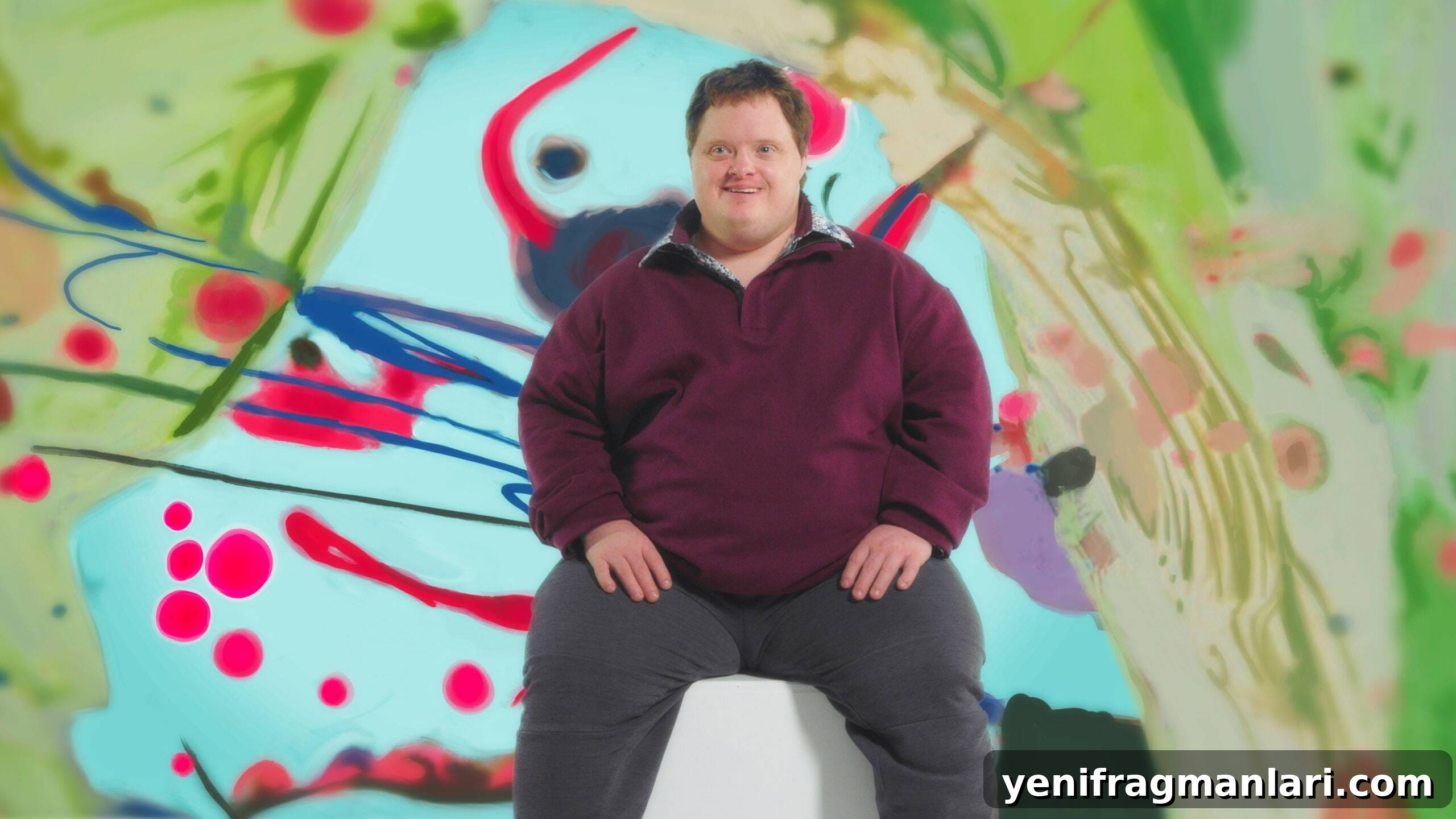
MC: It was. We initially planned to film on location with Niall’s blood family and theatre family across Canada, but COVID forced us to adapt. Much of Lay Down Your Heart was created remotely: we filmed Niall in a Vancouver studio and used green screen and creative compositing to evoke shared spaces. More than 80% of the film involved remote shoots, so it was a challenge for performers to make those moments feel natural. Niall did that beautifully.
AM: Niall, how did it feel to interview people who weren’t physically there?
NM: It was hard at first, but I warmed up. We set up green rooms in Toronto and Vancouver and coordinated interviews across provinces. I asked questions about how people came into theatre, the Caravan world, farm work, and other life experiences. Those conversations helped the film show how people become family.
AM: The film mixes mixed media, live-action, animation, and Niall’s paintings. How did you decide on that visual approach?
MC: We followed Niall’s imagination. His paintings and drawings naturally became part of the film because they reflect the way his mind moves—shifting, transforming, improvising. We wanted the film to capture the flow of his creativity, so the visuals had to be as fluid and inventive as he is.
AM: Niall, you grew up around Caravan theatre people. What did that community mean to you?
NM: Being a Caravan Kid and later a Caravan adult taught me so much. People like Peter Hinton and Martin Julien showed me how to be an artist. Even though I have Down Syndrome, they invested in my abilities and taught me the craft. I still keep in touch with many of them, and this film honors those relationships and the generosity that helped me become who I am.
AM: Marie, did you always know you would be a storyteller?
MC: I caught the bug early. I began as an actor—lessons, singing, dancing, theatre—and theatre’s rigorous demands trained me for everything I do now. That early discipline shaped a lifelong commitment to storytelling.
AM: Niall, you name people as sons, daughters, and family members. How do you know when someone becomes part of your chosen family?
NM: It depends on the person. For example, Steven lost his father, and I asked him to be my son because he needed that connection. Others become daughters, friends, cousins, or ex-wives in a playful way. It’s about respect, care, and showing up for each other.
AM: Your empathy is striking—knowing what people need and stepping in to help. What do you hope viewers take away?
NM: I hope the film shows kindness and the power of art to bring people together. As a father figure and an artist, I always try to be kind and help others grow. That spirit is what this film is about.