
This article was contributed to The Film Magazine by Kieran Judge of HorrorAddicts.net and Horror Reviews by the Collective.
Why Jacob’s Ladder Is an Underrated Masterpiece of Psychological Horror
Adrian Lyne’s 1990 film Jacob’s Ladder often slips under the radar in discussions of landmark horror cinema, yet it deserves a far more prominent place in the genre’s canon. Straddling thriller, psychological horror and war drama, the film is a haunting study of grief, guilt and the disintegration of reality. Many horror fans will recognize the title and praise the film in passing, but it rarely appears on lists for the most powerful psychological horrors or the films that linger in the mind long after viewing. This piece explains why Jacob’s Ladder remains essential viewing for anyone interested in the deeper, more unsettling potential of horror.
Tim Robbins stars as Jacob Singer, a Vietnam veteran who now works as a city postman and is tormented by flashbacks to the war and by the loss of his young son, Gabe (a cameo by Macaulay Culkin). Jacob’s days are invaded by creeping visions: distorted bodies, shadowy figures and demonic shapes, experiences that suggest both trauma and something more deliberate—an unseen conspiracy that becomes plausible as Jacob’s former comrades begin to die under suspicious circumstances. Robbins delivers a performance that balances tenderness and terror; his portrayal conveys a believable human core even as the character unravels.
The film’s emotional tone is relentless. From its opening scenes, grief and mourning seep through every frame. The urban landscape is perpetually overcast and claustrophobic, a precursory mood for later films with similar atmospheres. Even daytime moments are muted; Lyne and his team avoid sunshine and clarity, choosing instead a palette that keeps the viewer within the film’s persistent gloom. That oppressive ambience is not just background—it’s integral to the viewing experience, leaving you with a residue of unease that lingers after the credits roll.
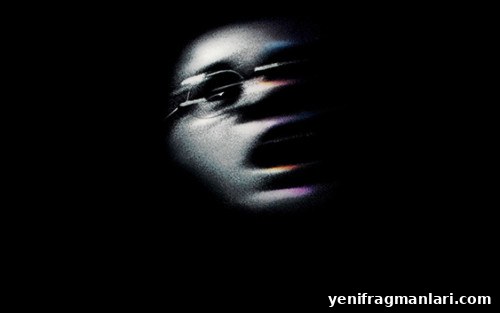
What makes Jacob’s Ladder striking is the way it stages its nightmares. Lyne opts for distortion, suggestion and fleeting glimpses rather than prolonged shocks. The monsters and visions are rarely shown in full; when they are, it’s brief and disorienting, which heightens their impact. Rather than relying on grotesque close-ups or excessive gore, the film uses fragmented images—blurry horns, fleshy wings, hands—and sudden, hallucinatory cuts to create a surreal terror. This approach pushes the film away from conventional horror into an almost dream logic, where fear arises from uncertainty and the erosion of trust in one’s own perceptions.
One of the film’s most discussed and unforgettable sequences is the hospital gurney scene. It stands out because it is singular in its conception: a visceral, dreamlike descent that blends practical effects, clever camera work and an unnerving sense of suspension. The mechanics of the scene—the rotating wheel, the shifting corridor—have influenced filmmakers and visual artists since, and the image of the strange doctor at the corridor’s end has echoed through later horror iconography. The sequence is raw and allegorical: Jacob strapped down, removed from light and dragged deeper into a labyrinthine space that feels like a cinematic version of an inferno. The result is both disturbing and strangely elegant.
Lyne drew inspiration from real-world deformities and the unsettling imagery of medical tragedy to shape the film’s visual language; this creates figures whose twisted limbs and malformed shapes feel both human and otherworldly. The film’s most intense moments are not about a single monstrous antagonist but about the situation Jacob inhabits—the sensation of being trapped between worlds and losing a stable anchor in reality. That lack of a central, marketable villain may explain why the film is sometimes overlooked. Without a costume to sell or a simple antagonist to emulate, it resists easy commodification and instead occupies a rarer space: artful, disorienting horror that rewards contemplation.
Jacob’s Ladder moves beyond genre conventions to probe larger themes: mortality, what might follow death, and the emotional process of letting go. It’s not a movie designed for casual thrills or for merchandising; it’s an affecting, uneasy meditation that leaves viewers with more questions than answers. Its power lies in emotional resonance rather than spectacle—viewers walk away changed, carrying the film’s atmosphere with them. For those who seek horror that lingers, that challenges and unsettles on a psychological level, this film remains unmatched.
Written by Kieran Judge
Support Kieran by following him on Twitter: @KJudgeMental
Also visit the platforms he contributes to:
HorrorAddicts.net
Horror Reviews by the Collective