
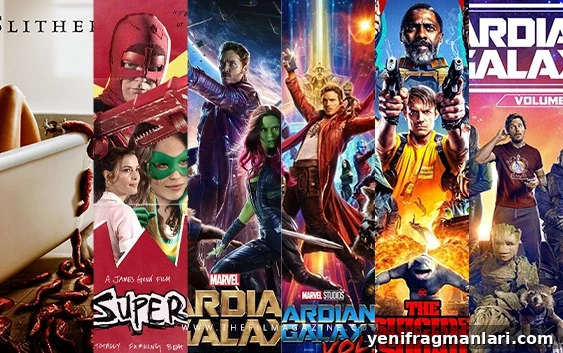
Filmmaker and studio executive James Gunn has emerged as a defining figure on both sides of the comic-book screen: he wrote and directed DC/Warner Bros’ The Suicide Squad after a temporary departure from Disney/Marvel and the Guardians of the Galaxy franchise, and he later became one of the CEOs of DC Studios. But Gunn’s path to that position was gradual and grounded in a diverse early career.
Gunn first made his name primarily as a comedy writer for film and television. His early breakthrough in features came as a screenwriter on the live-action Scooby-Doo (2002). Though the film was not a critical darling, it found a wide audience and opened doors for Gunn. He returned for the sequel and earned a screenwriting credit on the 2004 remake of Dawn of the Dead, where he collaborated with horror pioneer George A. Romero to align the new adaptation with the spirit of the original. That experience helped set the stage for his directorial debut, Slither, a horror-comedy he released just two years later.
Over the years Gunn has directed a variety of projects for film and television and has become sought after in Hollywood for his distinctive, marketable visual storytelling. Despite a relatively small number of feature films as a director, his work has had outsized influence. In this feature, we rank the six feature films James Gunn has directed, evaluating each by artistic achievement, critical reception, and popular response. Someone call Michael Rooker — these are the James Gunn Directed Movies Ranked.
6. Super (2010)
Super, released in 2010, hinted strongly at what James Gunn could contribute to superhero cinema. This dark, often outrageous comedy displays Gunn’s deep understanding of the genre and reads as one of his most personal films. The movie uses adult themes and abrasive humor to deconstruct superhero tropes, delivering a pointed and unusual take on vigilante narratives.
Because Super was independently produced and written by Gunn, it reveals the director’s unfiltered voice: provocative, earnest, and sometimes uncomfortable. It stands as proof that even when he operates outside the studio system, Gunn can craft sharp, memorable work. Anchored by an attention-grabbing lead performance from Rainn Wilson, the film attracted talented collaborators early on, signaling that industry peers recognized value in Gunn’s unique voice.
While Super is more divisive than his later comic-inspired projects, it remains a revealing portrait of a filmmaker shaping his themes and methods. It also reminds viewers how much the tone and expectations of superhero cinema have evolved since its release.
5. Slither (2006)
Slither, Gunn’s directorial debut in 2006, mixes horror and comedy into a gleefully B-movie pastiche that has since acquired cult status. Drawing on the sensibilities he demonstrated as a screenwriter, Gunn crafted a tribute to old-school creature features and alien-invasion horror while injecting a modern, irreverent tone.
Featuring Nathan Fillion and Elizabeth Banks, Slither embraces the absurdity of its premise and revels in genre conventions. It may not have achieved mainstream awards recognition, but it stands as an ideal example of a director finding his footing—bold, entertaining, and distinctive. For many viewers it remains a perfect late-night, group-watch film and an early sign that Gunn was a director to watch.
4. The Suicide Squad (2021)
When James Gunn crossed from Marvel to DC, he brought his taste for adult, offbeat humor and his affection for misfit characters. The Suicide Squad (2021) reimagined the franchise with anarchic energy: irreverent jokes, sudden violence, and a heartfelt focus on a ragtag group of antiheroes. Gunn balanced satire with genuine emotion, and in doing so he demonstrated his ability to both lampoon and honor the comic-book form.
The film doesn’t always maintain the visual spectacle of Gunn’s Guardians work, and some supporting characters can feel underdeveloped, but it delivers many unforgettable moments — gory, funny, and surprisingly moving — that foster discussion and repeat viewings. The Suicide Squad captures Gunn’s knack for blending humor and pathos while celebrating outsiders who find purpose together.
3. Guardians of the Galaxy Vol. 2 (2017)
Guardians of the Galaxy Vol. 2 followed the surprise success of the first film and arrived amid a particularly strong year for comic adaptations. While it may have been overshadowed by other 2017 releases, Gunn’s sequel still stands out for its vivid visuals, unique color palette, and emotional beats woven through a busy, universe-spanning adventure.
The film excels at deepening the relationships among its core characters while expanding the franchise’s aesthetic and musical identity. Some viewers found the central plot divisive, but the movie delivers poignant moments and memorable set pieces that reinforce what made the original resonate: a group of flawed characters who become a chosen family.
2. Guardians of the Galaxy Vol. 3 (2023)
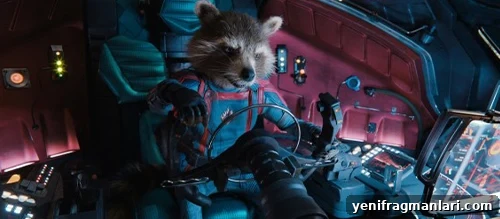
The trilogy’s finale is a powerful, emotionally charged conclusion to a decade-long arc. Guardians of the Galaxy Vol. 3 centers on Rocket and explores his creation and trauma with sensitivity and intensity. Gunn uses the character’s story to address themes like animal cruelty and exploitation, framing a larger commentary about conformity and the value of individuality.
Working against studio pressures, Gunn insisted on a film that reflected his sensibilities: loud, heartfelt, and defiant. The result is a satisfying, often heart-wrenching goodbye that affirms the series’ celebration of misfits and rejects uniformity in favor of character and chaos.
1. Guardians of the Galaxy (2014)
The first Guardians of the Galaxy is arguably James Gunn’s defining achievement to date. In 2014 he transformed a relatively obscure Marvel team into a cultural phenomenon, assembling a mismatched group of outsiders into a heartfelt, hilarious, and visually striking space adventure. The film blends genuine emotion, broad comedy, and thrilling action in ways that felt fresh for the MCU at the time.
Moments like Groot’s sacrifice, the team’s climactic stand, and the iconic dance-off blend levity and sincerity, allowing the characters’ choices to feel organic and earned. The film gave Gunn a breakthrough that elevated both his career and the franchise, and it set a creative benchmark that the rest of his filmography would be measured against.
Which James Gunn film do you prefer? Do you agree with this ranking? Share your thoughts and join the discussion about a director who has reshaped modern genre filmmaking with boldness, humor, and heart.