
Kintsugi (2022)
Director: Cleto Acosta-McKillop
Screenwriters: Cleto Acosta-McKillop, Quinn Blackshere, Loretta Keresen, Christian Acosta-McKillop
Kintsugi (2022) — animated short review
The world can feel bleak at times, and small stories that emphasize warmth and resilience are welcome reminders of what makes life meaningful. Kintsugi, a 2022 animated short directed by Cleto Acosta-McKillop, is one such film: a compact, emotionally resonant piece about identity, self-acceptance, and the quiet courage it takes to embrace one’s imperfections. The film uses the Japanese art of kintsugi—repairing broken pottery with gold—as an implicit metaphor, celebrating beauty in flaws and the notion that perceived damage can become a source of strength.
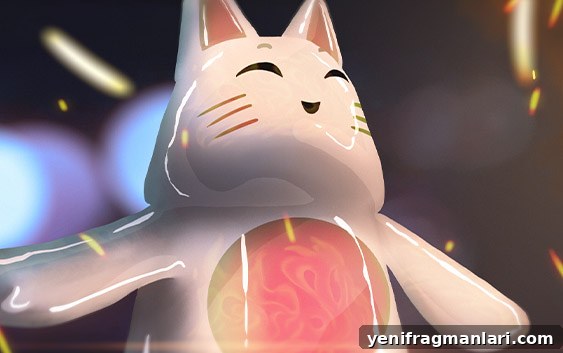
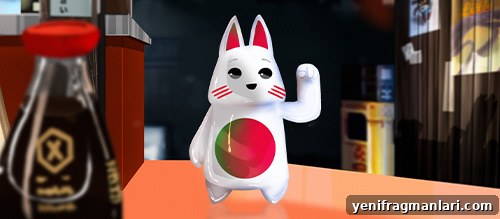
At the center of the story is a traditional lucky cat who sits outside a small business, welcoming customers with a gentle, familiar charm. The status quo is disrupted when a flashy, neon-lit, modern lucky cat appears as the mascot of a new, trendy venue next door. This contrast sets up a simple but effective conflict: old versus new, handmade versus mass-produced, authenticity versus glossy imitation. What unfolds is not a battle between two clear-cut enemies, but an introspective journey in which the traditional cat confronts its own insecurities and questions about worth and relevance.
The film’s visual execution is impressive and intimate. Created entirely in Photoshop, the animation proves that craft and vision outweigh the latest tools—the choice of medium contributes to the film’s tactile, handcrafted aesthetic. The director and animators use color, lighting, and motion to delineate the two worlds: soft, warm palettes and subtle textures for the traditional setting, and sharp, saturated neons with slick surfaces to represent the new, modern mascot. These visual choices underline the film’s themes without heavy-handed exposition.
Notably, Kintsugi contains no dialogue. This silence places the burden of storytelling on visual performance and musical cues, and the film delivers. The cat’s expressions and body language are finely tuned and expressive enough to carry complex emotional beats. This makes the film accessible to a broad audience: children will respond to the clear visual emotions, while adults can appreciate the layered subtext about self-doubt and the pressures of imitation in a consumer culture.
The score by Sergio de la Puente is another standout element. It alternates between traditional instrumentation and orchestral textures on one hand, and ambient synth tones on the other—mirroring the film’s thematic dichotomy. The music subtly guides the viewer’s emotions, supporting shifts in tone from wistful introspection to tentative hope, and it remains balanced so that it never overwhelms the imagery.
Perhaps the film’s most poignant choice is its refusal to manufacture an external antagonist. There is no villain perched across the street to be vanquished; instead, the real struggle is internal. The cat’s anxiety and compulsion to mimic the shiny newcomer drive the narrative. This inward-focused conflict turns Kintsugi into a quiet parable about the dangers of comparison and the value of self-acceptance—a theme that resonates strongly in an age dominated by social media and relentless image-based comparisons.
Technically, the short is well paced and most story beats land with satisfying timing. The emotional arc moves cleanly from comfort to crisis and, ultimately, to a resolution that emphasizes healing and acceptance. One minor narrative critique is that the final image—the film’s culminating visual statement—could use a touch more screen time. Extending the closing moments by fifteen to twenty seconds would allow the emotional impact to settle a bit more deeply and offer a more cathartic denouement. That said, the film’s ending still succeeds in delivering its central message.
For viewers who enjoy animated shorts that combine visual elegance with emotional depth, Kintsugi is a rewarding experience. It demonstrates how a simple premise, rendered with care and artistic intention, can yield meaningful insights. The film’s strengths—beautiful handcrafted animation, expressive nonverbal storytelling, and a resonant musical score—make it a memorable example of contemporary short-form animation. Its themes are timeless: the courage to be oneself, the beauty in imperfection, and the quiet strength that comes from repairing rather than discarding.
Score: 19/24
Kintsugi is a tender, well-crafted short that rewards viewers willing to sit with its subtle emotional rhythms and reflects on the value of embracing who we are, flaws and all.