
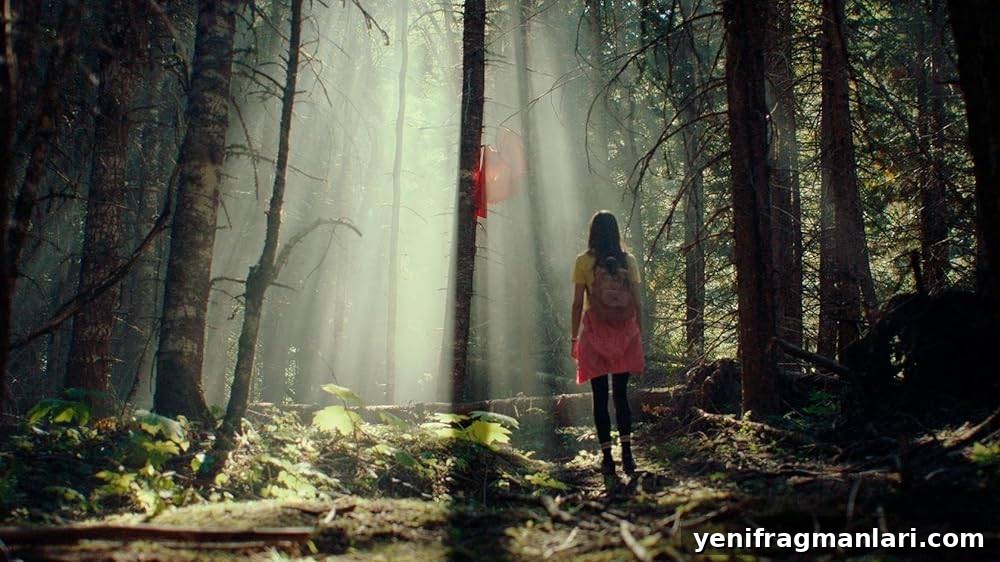
I enjoyed a lively conversation with Kourtney Roy, director of the new feature Kryptic. Our discussion moved between the funny and the serious — covering casting, location scouting, cinematic influences, the writing process, and one running online debate: does Kryptic contain the right amount of cum? Read on for Roy’s candid answers and insights into making this unusual indie film.
Bio
Kourtney Roy is an award-winning artist and photographer who has moved into feature filmmaking. Born in Northern Ontario, she studied photography in Vancouver before settling in Paris. Her work often explores ordinary places and uncovers their hidden, unsettling qualities. Her first feature, Kryptic, premiered at South by Southwest (SXSW) and is slated to screen at the 2024 Calgary Underground Film Festival (CUFF).
A Conversation with Kourtney Roy: Director of KRYPTIC
Tickets are still available to watchKrypticat CUFF 2024
On Describing Kryptic and Moving from Photography to Film
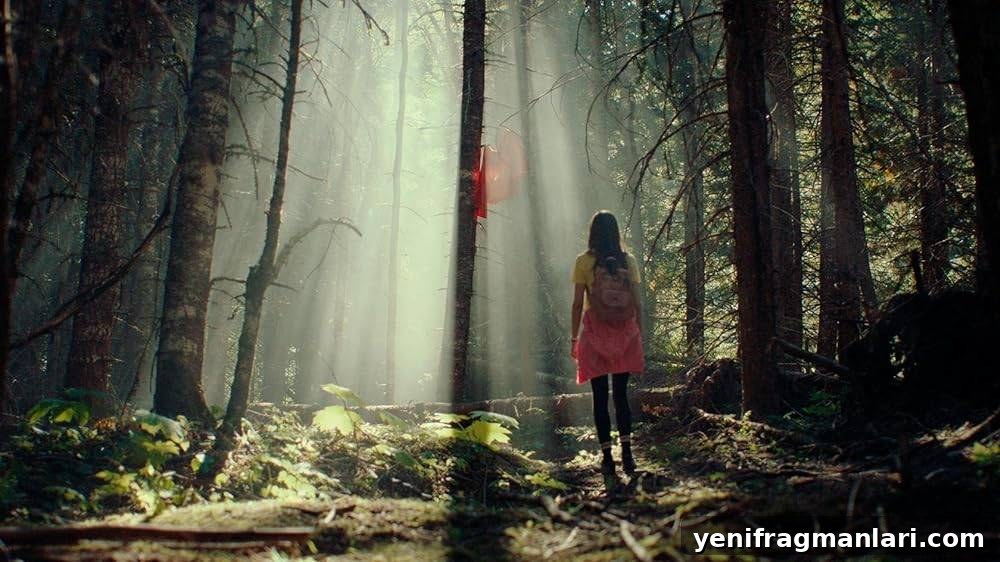
Adam Manery
Summarizing Kryptic in a few sentences feels impossible. When people ask what the film is about, how do you respond?
Kourtney Roy
I try not to reduce it to a bland synopsis. The film is convoluted in a fun, messy way, so I usually answer with questions. I’ll ask: “Do you like monsters that masturbate?” “Do you like mucus?” “Do you like awkward sex scenes?” If someone says yes to those, I tell them the film is for them. If not, then this probably isn’t your cup of tea — and that’s fine.
On a small indie film, you’re working with really passionate people, and it’s so exciting. People aren’t doing it to get rich; they’re doing it because they love it and want to do it.
AM
You have an established career in photography. How was the transition to directing a feature?
KR
The transition had a big learning curve. Photography is more solitary — you do everything yourself: scouting, styling, lighting, composing. Film required me to learn delegation and trust: giving tasks to department heads, sharing mood boards, and making choices rather than handling every detail. I enjoyed collaborating with a competent DP and crew; it felt great to rely on people who brought more to the project than I could alone. My producers also helped assemble a strong team since I came from the photo world without many film contacts. On an indie set, people work for passion — they give more than expected, and that energy was infectious.
On the Origins of the Film and Premiering at SXSW
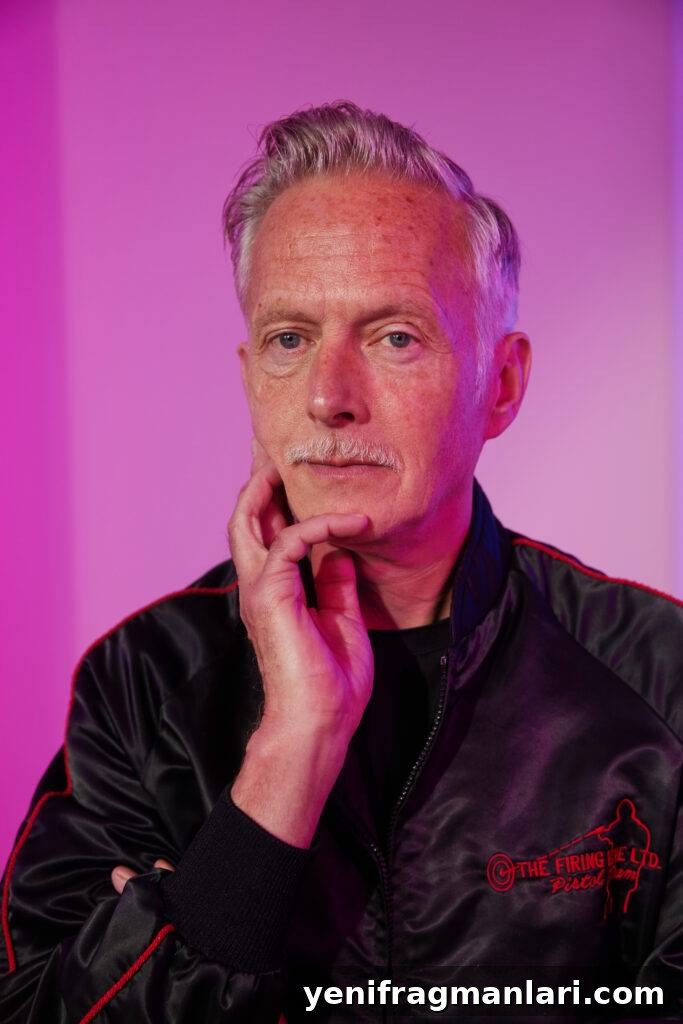
AM
You and writer Paul Bromley developed the script together. How did that collaboration begin?
KR
It started by chance. Paul and I had been friends for years but hadn’t kept in close contact; I was visiting London and stayed with him. After a long night and several bottles of wine, he promised to write a script — not a short, but a feature. We tossed ideas back and forth: I wanted monsters, weird sex, supernatural elements; Paul suggested doppelgangers, a road-movie feel, and a strong female lead. Paul also shared an article about a woman who temporarily disappeared on an Iceland bus tour, only to essentially search for herself — that notion of losing and reinventing identity became a springboard for the screenplay.
It’s fascinating, this idea of not recognizing yourself but also recognizing that if you could be anyone else, then who could you be? You’re no longer who you thought you were. You search for yourself, and then you can become anything you want.
AM
The film premiered at SXSW. What was that experience like?
KR
It was exciting and overwhelming — SXSW is massive, with film, music, and conferences. We had a full house and a responsive audience. It’s not a pure genre crowd, so the reaction wasn’t the loud, jeering energy you might expect, but people laughed in the right places and seemed engaged. I want the film to be both dark and funny; seeing nervous laughter at some of the weirder moments told me we were on track.
On Working with Chloe Pirrie and Finding the “Weird” in the Banal
AM
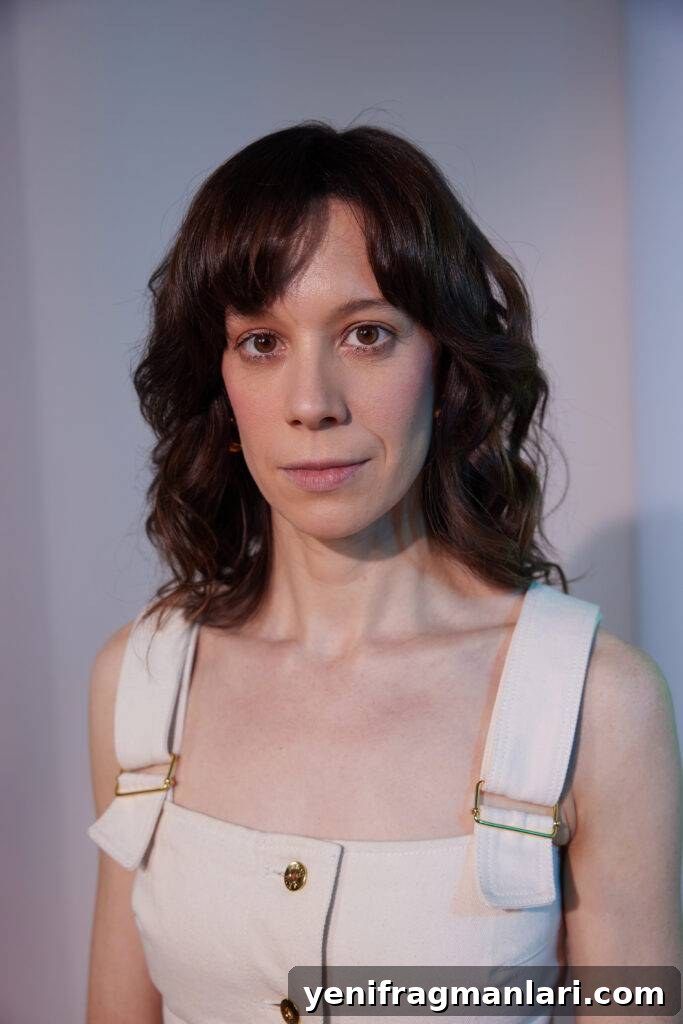
Chloe Pirrie carries much of the film with a largely nonverbal performance. What was it like directing her?
KR
Chloe was an immediate casting yes. Her eyes convey a lot, and the role demanded someone who could express confusion, loneliness, and subtle strangeness without relying on dialogue. I trusted her choices and did my prep — I developed multiple interpretations of scenes so we could pivot during shooting if needed. She quietly inhabited the character in a way that matched my vision, and her presence anchored the film.
I love looking at banal things like dive bars and seeing how there can be strange and marvelous and unsettling and weird shit. So that’s where the marvelous and the banal intertwine and marry each other, and you can get these strange things.
AM
The film blends the mundane with the surreal. How did you strike that balance?
KR
I didn’t set out to balance them so much as to let the uncanny emerge from ordinary places. My photography has always dug into banal environments — motels, gas stations, empty parking lots — and found the strange within them. For Kryptic I leaned into locations that felt deceptively familiar but could reveal something unsettling. I’m a location-conscious director and prefer to find real places rather than build sets; the world provides enough texture if you look closely.
On the Horrors of Domestic Living and Film Influences
AM
The third act’s domestic setting — the white picket fence, the seemingly safe home — felt especially terrifying. What drew you to that idea?
KR
For me, domestic boredom and conformity can be more horrifying than monsters. We wanted Morgan’s house to appear safe at first, then reveal itself as a kind of personal hell. Writing those awkward, uncomfortable scenes was a lot of fun in a strange way — Paul and I pushed the boundaries of how uneasy and grotesque we could make it while still finding the humor in it.
AM
Some viewers point to cinematic influences like Cronenberg or Lynch. Where did your inspirations come from?
KR
I drew on movies that create strong, unsettling atmospheres more than on direct plot parallels. I love the mood of Don’t Look Now — the visual power of the red coat and the haunting atmosphere — and I tried to echo that feeling of unease. Donnie Darko appealed to me for its tragic, hilarious, poetic tone. I’m also fascinated by the green used in Vertigo during transformation scenes; green became my color for the supernatural in Kryptic. These films informed my approach to mood, color, and the uncanny, even if Kryptic remains its own strange creature.
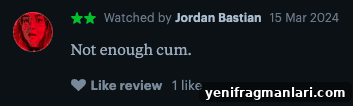
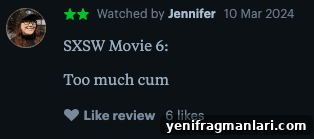
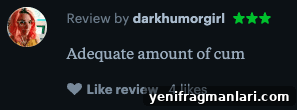
The Ultimate Debate: Not Enough Cum, Too Much Cum, or an Adequate Amount of Cum?
AM
There’s an ongoing online debate about whether Kryptic contains too much, too little, or an adequate amount of cum. What’s your take?
KR
I’ve seen those three camps and, honestly, I can’t satisfy everyone. Some people call it hilarious — I shared a funny review on social media. For me, the substance in question is intended as ectoplasm or mucus, but the debate gets people talking, and that curiosity helps draw an audience. Whether viewers see it as too much, too little, or just right is up to them.
AM
So we’ll leave that question to audiences.
KR
Exactly — start the conversation about the mucus, not the cum.
AM
When audiences leave the theater, what do you want them to feel?
KR
I hope people say, “I don’t know what just happened, but that was a wild, fun ride.” I want them entertained and engaged, even if confused. A film can be puzzling and still enjoyable; my goal is to give people a memorable experience they’ll talk about afterward.
Tickets are still available to watchKrypticat CUFF 2024
You can find more interviews here
You can find film reviews here